

Swedish Massage Benefits, Techniques, and What to Expect
A lot of people carry stress in the same places every day, the neck, shoulders, back, and even the mind. After long hours at a desk, busy schedules, or poor sleep, that tension can start to feel normal. Still, your body often tells the truth first, through stiffness, aches, and a constant sense of being worn down.
That’s where Swedish Massage stands out. It’s a gentle, classic massage style known for smooth flowing strokes, light to medium pressure, and a calming pace that helps the body relax. At the same time, it can support better circulation and ease the kind of muscle tightness that builds up from daily life, not just hard workouts or injuries. Research and standard massage guidance continue to link Swedish massage with stress relief, improved blood flow, and reduced neck and back discomfort.
If you’re new to massage, this style is often a comfortable place to start because it feels soothing without being too intense. And if you already enjoy bodywork, it remains one of the most trusted options for full-body relaxation and steady muscle relief. You can also explore massage products for home relaxation if you want to extend that calm feeling between sessions.
In this guide, you’ll get a clear look at what Swedish Massage is, how it works, what happens during a session, and the main benefits people look for. You’ll also learn how to tell if it’s the right fit for your needs, whether you want to unwind, sleep better, or simply give your body a break.
What Swedish Massage is and why so many people choose it
Swedish Massage is a classic Western massage style built around calm, flowing touch. It uses long gliding strokes, kneading, gentle circular movements, and light tapping to help your body loosen up and settle down. For many people, it’s the first massage they try because it feels comforting, not harsh, and still gives real relief.
What makes Swedish Massage so popular is simple. You get a session that feels soothing in the moment, while also helping with the tension and fatigue that pile up over time. If you want stress relief without very deep pressure, this style often feels like the right fit.
The main goal of Swedish Massage, relaxation with real physical benefits
At its heart, Swedish Massage aims to help your whole body relax and reset. That calm feeling is a big part of the appeal, but it isn’t the only benefit. The smooth strokes and kneading can ease tight muscles, especially in the neck, shoulders, and back.
It also supports better circulation, which helps bring fresh blood flow to the muscles. As a result, many people feel lighter, warmer, and less stiff after a session. Some also notice a better mood and deeper rest later that day, because the body is no longer stuck in stress mode.
For beginners, Swedish Massage feels approachable. For regular spa visitors, it stays useful because daily stress keeps coming back. Think of it like pressing a gentle reset button for both body and mind.
The core techniques your therapist uses during a session
A Swedish Massage session blends a few core movements, and each one has a purpose.
- Effleurage: These are long, gliding strokes that usually start and end the massage. They feel smooth and calming, and they help warm the muscles.
- Petrissage: This is the kneading part. Your therapist lifts and gently squeezes the muscles to loosen tight spots.
- Friction: These are smaller, deeper circular movements on tense areas. They help work on stubborn tightness.
- Tapotement: This is light rhythmic tapping. It feels brisk and wakeful, and it can boost circulation near the end of a sequence.
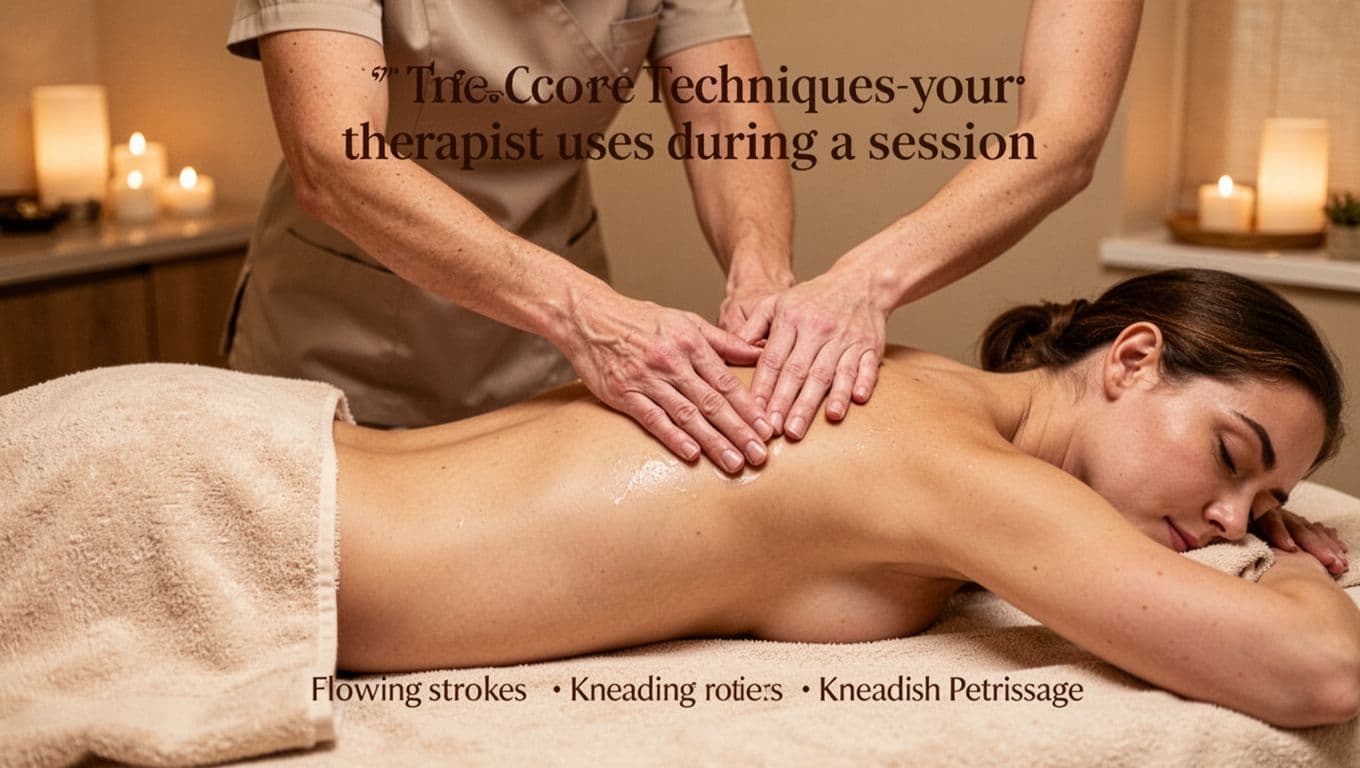
Together, these techniques create a massage that feels balanced, gentle, and deeply relaxing.
How Swedish Massage is different from deep tissue and other massage styles
The biggest difference is pressure and purpose. Swedish Massage uses light to medium pressure and focuses on relaxation, general muscle relief, and overall comfort. Deep tissue massage uses firmer pressure and targets deeper layers of muscle when pain or long-term tightness needs more focused work.
If you want to unwind, sleep better, or ease everyday tension, Swedish Massage is often the better choice. On the other hand, if you have stubborn knots, heavy training soreness, or chronic tightness, a stronger treatment may suit you more.
If deep pressure sounds draining instead of helpful, Swedish Massage is usually the smarter place to start.
It gives you relief without making the session feel like hard work.
How Swedish Massage helps the body and mind feel better
The appeal of Swedish Massage is simple, it helps you feel more at ease in your own body. For some people, that means a quieter mind after a hard week. For others, it means less stiffness, better rest, and a break from the tension that builds up little by little.
The effects can show up in different ways, and they don’t look the same for everyone. Still, the same pattern comes up often: when your muscles soften and your nervous system settles, your whole body tends to feel lighter, calmer, and easier to live in.
Easing stress, calming the nervous system, and helping you switch off
One of the biggest reasons people book Swedish Massage is stress. Not dramatic stress all the time, but the steady kind that piles up. Work pressure, long commutes, poor sleep, burnout, and mental overload can leave you feeling switched on all day, even when you’re trying to rest.
A slower massage style helps because it gives your body clear signals that it’s safe to let go. The long, flowing strokes and steady pace can shift you out of that braced, guarded state. As your breathing slows and your muscles stop gripping, your mind often follows. You may not walk in feeling calm, but many people leave feeling more grounded.
Recent massage research continues to support that connection. Relaxing massage is often linked with lower stress, a calmer nervous system, and short-term mood improvement. In plain terms, your body stops acting like it’s in constant alert mode. That can matter a lot if you’ve been running on caffeine, deadlines, and willpower.
Many clients describe the feeling as a mental exhale. Thoughts don’t always disappear, but they tend to lose their sharp edges. That’s why Swedish Massage is often a good fit when you feel:
- Mentally overloaded: Too much input, too little downtime
- Burned out: Tired, flat, and always trying to catch up
- Work-stressed: Tight shoulders, jaw tension, and a busy mind
- Emotionally worn down: Restless, snappy, or unable to switch off
When stress lives in the body, relaxation has to reach the body too.
That said, results vary. One session can help you feel better in the moment, but ongoing stress from daily life may return. Think of massage less like flipping a permanent switch, and more like lowering the volume on noise that has been running too loud.
Improving circulation, flexibility, and everyday muscle comfort
Swedish Massage is also popular because it helps with the kind of muscle discomfort many people carry every day. You don’t need a sports injury or heavy training plan to feel tight. Sitting at a desk, driving, standing for long hours, or sleeping in awkward positions can be enough.
The smooth strokes used in Swedish Massage may encourage healthy blood flow through the muscles and soft tissues. Better circulation helps bring oxygen and nutrients where they’re needed, which can support that warm, loose feeling many people notice after a session. It’s not magic, and it isn’t a cure for every ache, but it can be a practical way to ease mild tension.
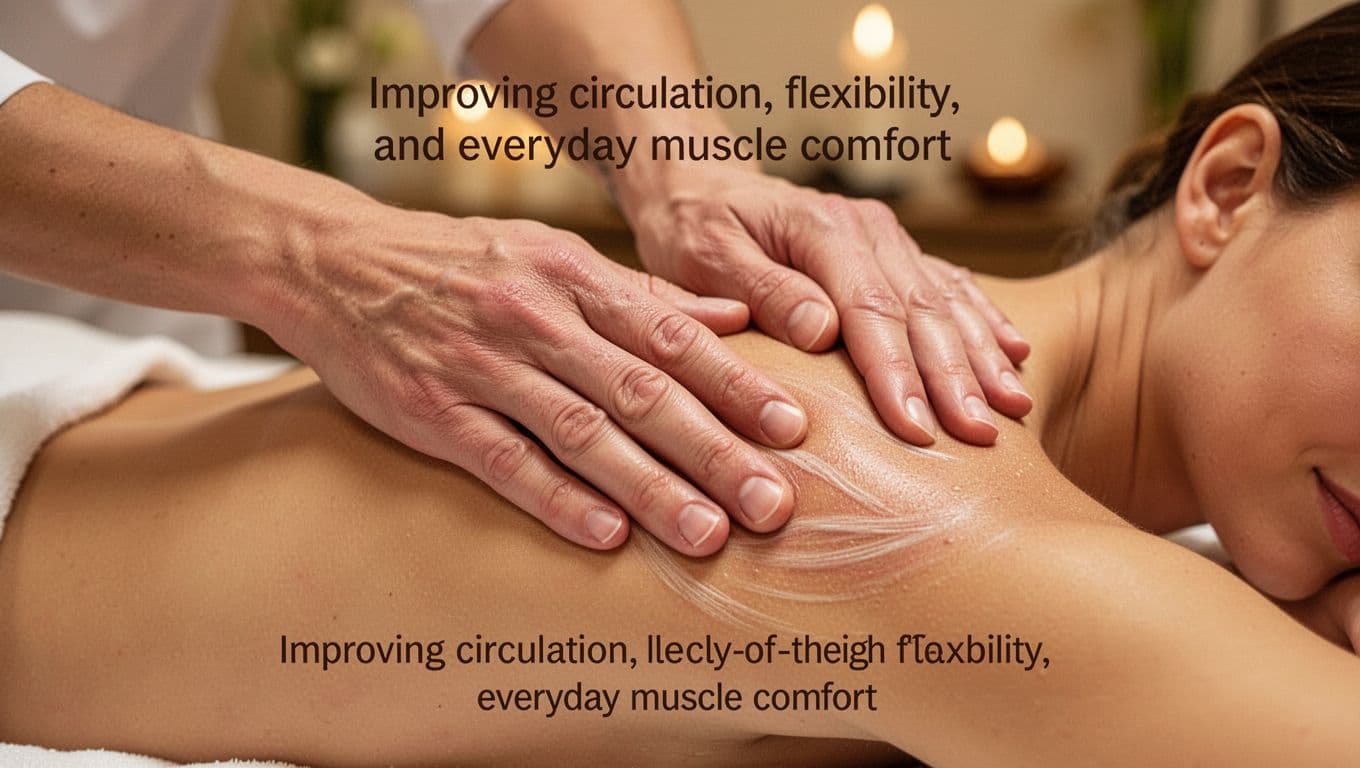
Kneading and gliding strokes can also help tight areas feel more movable. If your neck feels stuck, your shoulders sit high, or your lower back feels tired by evening, massage may help those areas relax enough for everyday movement to feel easier. In many cases, the benefit is less about dramatic change and more about comfort you can actually notice.
Here are a few ways people often feel the difference after a session:
- Less stiffness in the neck, shoulders, and back
- Easier movement when turning, reaching, or bending
- Reduced muscle fatigue after long workdays
- A lighter body feel, especially after too much sitting
Swedish Massage can be especially useful when your discomfort comes from routine tension rather than injury. If pain is sharp, severe, or keeps getting worse, massage shouldn’t replace medical advice. But for everyday muscle tightness, it often gives the body a helpful reset.
Supporting better sleep, mood, and recovery from a busy week
Once the body relaxes, sleep often improves too. That doesn’t mean Swedish Massage will fix every sleep problem, but it can make rest come more easily, especially when stress and muscle tension are part of the problem. A calmer nervous system usually sets the stage for better sleep later that day or night.
Many people also notice a mood lift. After a good session, you may feel quieter inside, less irritable, and more present. It’s similar to what happens when you finally unclench your fists without realizing they were tight. That release can make the whole week feel more manageable.
For busy people, that matters. Swedish Massage can support recovery from the wear and tear of a full week, especially if you’re balancing work, family, exercise, and not enough downtime. The goal isn’t only to feel good on the table. It’s to leave with more space in your body and mind.
Still, it’s smart to keep expectations realistic. Some clients feel sleepy after a massage. Others may notice mild soreness, tenderness, or a heavy, tired feeling for a short time, especially if their muscles were very tense to begin with. That’s usually temporary and tends to settle with rest, hydration, and light movement.
When regular sessions may be more helpful than a one-time visit
A single Swedish Massage can be enough when you just need to unwind, recover from a stressful week, or treat yourself now and then. If your tension is occasional, a one-time visit may give you exactly what you need, relief, relaxation, and a mental reset.
Regular sessions often help more when stress or muscle tightness keeps coming back. This can be true if you have a desk job, sit for long hours, train often, travel a lot, or live with constant low-level stress. In those cases, massage works a bit like routine maintenance. You don’t wait for everything to go wrong before paying attention.
Consistency can also help you notice patterns. Maybe your shoulders tighten during busy work periods. Maybe your lower back gets stiff after long drives. With regular care, it’s easier to manage tension before it builds into something harder to ignore.
If you’re thinking about making massage part of your routine, it also helps to understand the typical rates for Swedish massage. That way, you can choose a schedule that feels good for your body and realistic for your budget.
In the end, the best rhythm depends on your lifestyle. Some people benefit most from occasional sessions. Others feel better with steady, ongoing care. What matters is finding a pace that helps you stay relaxed, comfortable, and more like yourself.
What to expect before, during, and after a Swedish Massage session
If you’re booking your first Swedish Massage, a little clarity can make the whole experience feel easier. Most sessions follow a calm, simple flow, and nothing should feel rushed or confusing. Once you know what happens before, during, and after the appointment, it’s much easier to relax and enjoy the treatment.
How to get ready for your appointment
A good session often starts before you even step into the treatment room. Try to arrive on time, or a little early if possible, so you can settle in without feeling flustered. That extra few minutes helps you breathe, slow down, and share anything your therapist should know.

Before your Swedish Massage begins, speak up about any health concerns. This matters if you have an injury, recent pain, skin sensitivity, high blood pressure, are pregnant, or simply have an area you don’t want touched. A massage works best when your therapist has the full picture.
It also helps to drink water before your appointment, but don’t overdo it right before you lie down. Aim for normal hydration through the day. In the same way, wear loose, comfortable clothing that feels easy to change in and out of. Think of it like dressing for comfort, not for display.
A few simple habits can make the session smoother:
- Arrive calm: Give yourself enough time to check in and use the restroom.
- Share clearly: Mention pain, old injuries, pregnancy, medical issues, or sensitive areas.
- Eat light: A heavy meal right before massage can leave you feeling too full.
- Stay hydrated: Water helps you feel better before and after the session.
- Dress simply: Soft, easy clothing makes the whole visit more comfortable.
Most importantly, remember this: you should always speak up. If the pressure feels too strong, too light, or just wrong, say so. The same goes for pain, discomfort, awkward positioning, or any area you want skipped. A good massage is not something you endure. It should feel safe, respectful, and tailored to you.
The best Swedish Massage sessions start with honest communication, not silence.
What happens in the treatment room
Once you’re shown into the treatment room, you’ll usually find a padded massage table, clean sheets, soft lighting, and a quiet atmosphere. The room is set up to help your body settle quickly. It should feel private, warm, and calm, not clinical or intimidating.
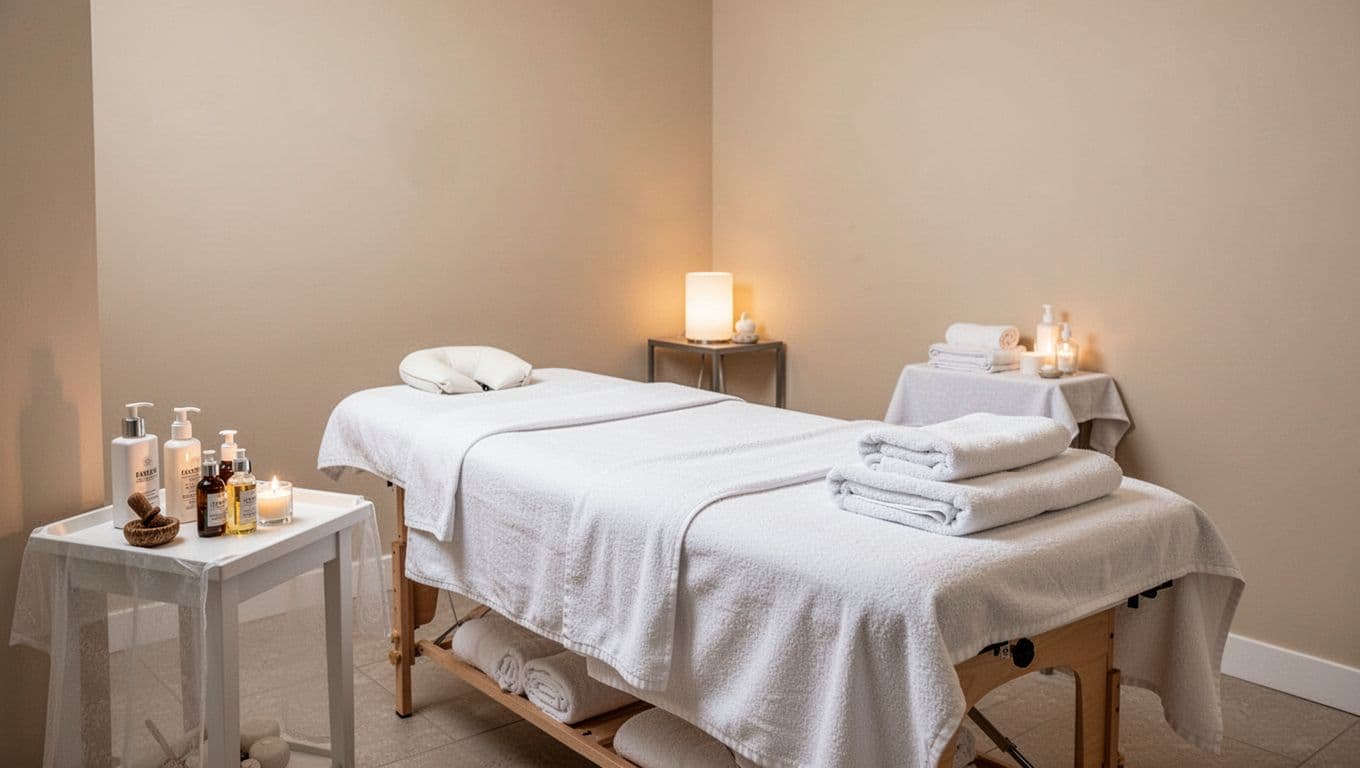
Your therapist will explain how to get on the table and how much clothing to remove. For a Swedish Massage, people usually undress to their comfort level, then lie under a sheet or towel. This is called draping, and it’s used to protect your privacy at all times. Only the part of the body being worked on is uncovered.
Once the session begins, the therapist will often start with broad, flowing strokes to warm the muscles and spread oil or lotion. These first movements usually feel smooth and gentle, almost like your body is being told it’s okay to let go. As the muscles soften, the therapist may spend more time on tighter areas such as the neck, shoulders, lower back, or legs.
That doesn’t mean the massage should hurt. Swedish Massage usually stays in the light-to-medium pressure range, although some spots may feel tender if they’ve been tense for a while. Still, there is a clear line between “that’s a tight spot” and “this is too much.” If you cross that line, speak up right away.
During the massage, you don’t need to perform or say the right thing. You can close your eyes, breathe deeply, and simply rest. Some people chat a little. Others stay quiet the whole time. Both are normal. What matters most is your comfort.
Here is what many first-time clients notice in the room:
- Privacy is protected with proper draping and clear instructions.
- Oils or lotion help the therapist use smooth, gliding strokes.
- The pace is steady, usually starting broad before focusing on tense spots.
- Communication stays open, so pressure and positioning can be adjusted at any time.
If your face cradle feels off, your arm falls asleep, or the room feels too cool, mention it. Small changes can make a big difference. A massage table should feel like support, not something you have to tolerate.
How you may feel after the massage and simple aftercare tips
After a Swedish Massage, many people feel deeply relaxed. Some feel lighter, quieter, or a little sleepy. Others notice less tension in the neck, shoulders, or back right away. It can feel a bit like taking off a heavy backpack you forgot you were carrying.
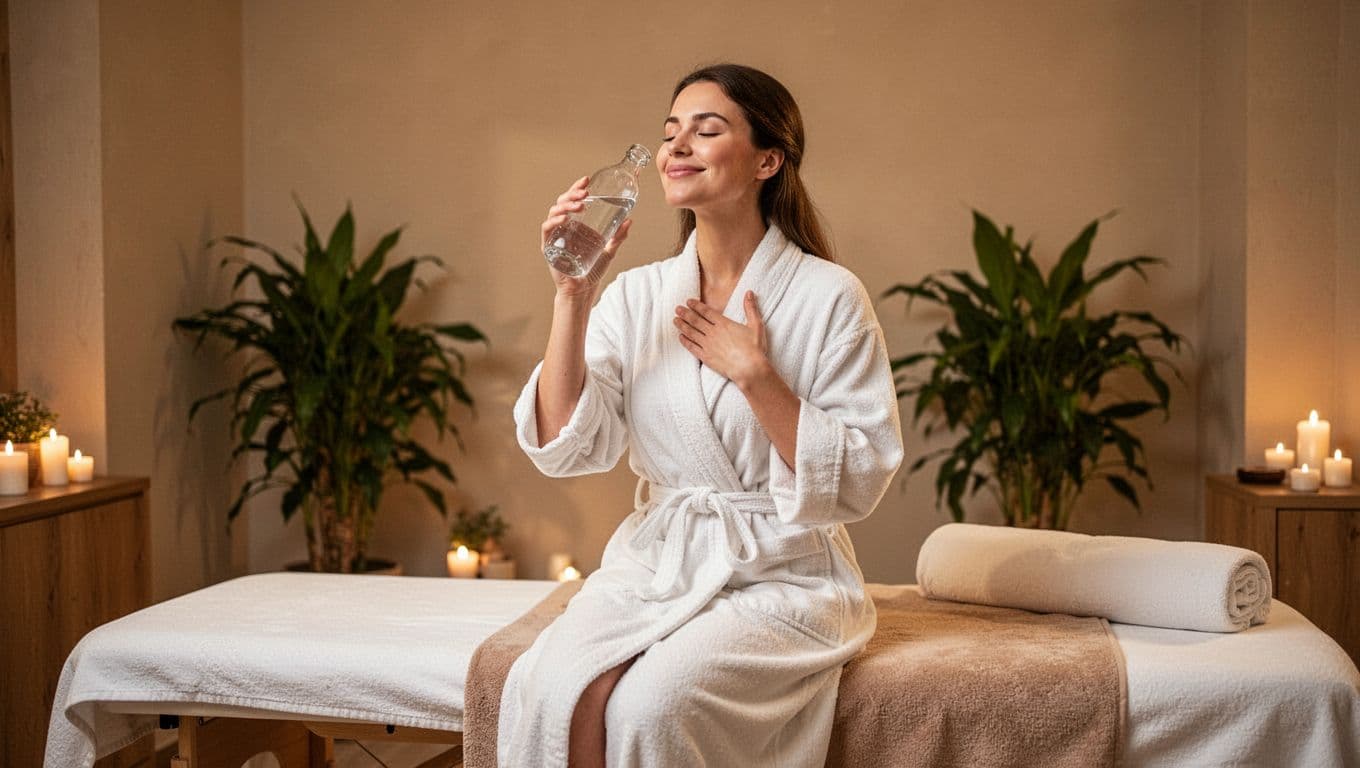
At the same time, don’t be surprised if you want to move slowly for a bit. Getting up too fast can leave you feeling lightheaded, especially after deep relaxation. Sit up gradually, take a breath, and drink some water. Hydration won’t solve everything, but it often helps you feel more balanced afterward.
For the rest of the day, keep aftercare simple. Gentle movement is often better than jumping straight into intense activity. A short walk, easy stretching, or a quiet evening can help the relaxed feeling last longer. If you can, give yourself room to rest.
A few easy aftercare tips usually work well:
- Drink water through the day.
- Move gently so your muscles don’t stiffen back up.
- Rest if possible, especially if you feel sleepy.
- Notice how your body responds, so you can share useful feedback next time.
Mild soreness can happen, especially if you had a lot of built-up tension. That should be short-lived and manageable. However, sharp pain, severe dizziness, unusual swelling, numbness, or anything that feels clearly wrong is not something to brush off. If that happens, contact the spa for advice. If symptoms feel serious or don’t improve, contact a doctor.
In most cases, though, the after-effect is simple: calmer muscles, a quieter mind, and a body that feels easier to live in. That’s the kind of result people hope for when they book a Swedish Massage, and knowing what comes next helps you enjoy it with much more confidence.
Is Swedish Massage right for you, and when should you be careful
Swedish Massage works well for many people, but it isn’t a one-size-fits-all treatment. The right fit often comes down to your goals, your comfort with pressure, and your current health. If you want relaxation, lighter muscle relief, and a calmer mind, it usually checks the right boxes. At the same time, there are moments when it’s smarter to pause and get advice first.
Who usually enjoys Swedish Massage the most
Swedish Massage tends to suit first-time massage clients very well. The pace is calm, the pressure is usually light to medium, and the techniques feel soothing rather than intense. If deep tissue sounds like too much, Swedish Massage is often the softer landing.
It also appeals to people dealing with daily stress. Maybe your shoulders sit too high by afternoon, or your mind keeps racing long after work ends. In that case, this style can feel like turning down the noise without putting your body through a hard reset.
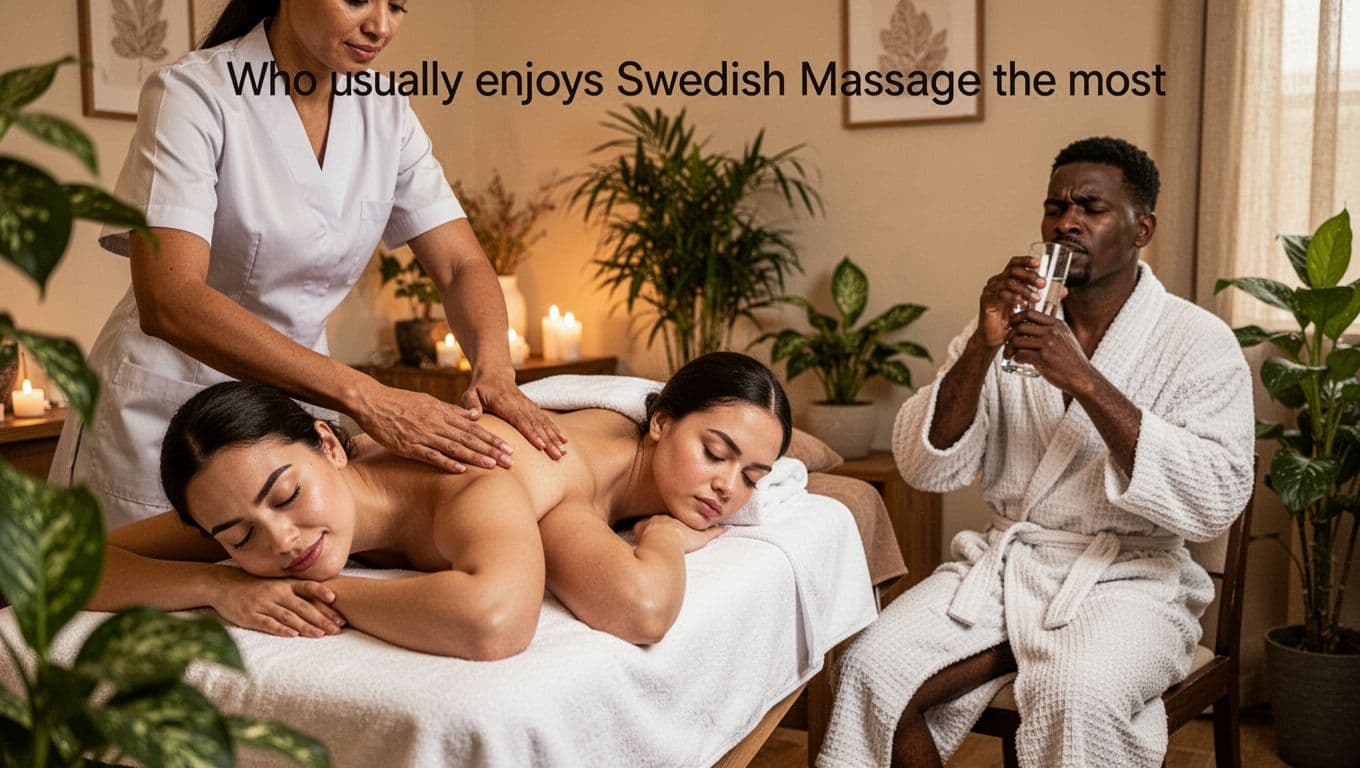
Another good match is anyone who prefers gentle to moderate pressure. Some people want to feel cared for, not worked over. That’s a big reason Swedish Massage stays popular. It can ease common tightness in the neck, back, and shoulders while still feeling restful.
It’s also a smart pick if you’re looking for general wellness care instead of highly focused treatment. For example, if you want to relax, sleep better, or recover from a long week, Swedish Massage usually makes more sense than a stronger, more targeted session.
If your goal is to leave feeling lighter, calmer, and less tense, Swedish Massage is often a strong choice.
Situations where you should ask for professional advice first
Massage should feel safe, not uncertain. So if you’re unwell or dealing with a medical issue, it’s wise to check first. That doesn’t mean Swedish Massage is dangerous for most people. It just means timing matters.
Ask for professional advice before booking if you have a fever, an active infection, a contagious skin condition, or open wounds. In those cases, massage may irritate the body or affect healing. The same goes for recent surgery, a recent fracture, or any area that is still tender, swollen, or inflamed.
You should also be careful if you have a history of blood clots, deep vein problems, severe heart issues, or uncontrolled high blood pressure. Likewise, if pain is sharp, severe, or unexplained, don’t assume massage is the answer. That’s your cue to get medical guidance first.
Certain long-term conditions may also call for extra care. This can include diabetes, arthritis, pregnancy complications, cancer care, or medicines that raise bruising risk, such as blood thinners. In many cases, massage can still be adapted, but your therapist should know in advance.
A simple rule helps here: if something feels medically significant, recent, or unclear, check with a qualified professional before you book.
Questions to ask before you book your session
A few smart questions can save you from a disappointing session. They also help you find a therapist who listens, adjusts, and respects your comfort level.
Start with the basics. Ask how the therapist approaches pressure, and whether they can keep it light or medium throughout the session. If you know you dislike intense work, say that early. It’s much easier to set the tone before the massage starts.
Then ask about practical details that shape the whole experience:
- How long are the sessions? A shorter session may be enough for relaxation, while a longer one allows a slower full-body treatment.
- Do you have experience with Swedish Massage for beginners or stressed clients? That tells you whether the therapist understands the pace and pressure you want.
- How do you handle hygiene and room setup? Clean linens, fresh towels, and a tidy treatment space matter.
- How is privacy protected during the massage? Good draping and clear communication should be standard.
- Can the treatment be adjusted for sensitive areas, injuries, or personal preferences? A good therapist should say yes.
If you want a session that fits your needs, don’t stay vague. Be direct about pressure, sore spots, modesty concerns, and what you want from the treatment. If you’d like to ask those questions before your visit, you can contact the spa team and get clarity before you book.
Why Black Berry Massage & Spa In Kilimani Stands Out
If you already enjoy Swedish Massage, the setting matters almost as much as the technique. A great session needs skilled hands, yes, but it also needs a place that helps your body relax before the first stroke begins. That is where Black Berry Massage & Spa in Kilimani makes a strong impression.
Located in a busy part of Nairobi, the spa gives you something many people want but do not always get, real calm without feeling far away. It blends convenience, comfort, and a treatment style that feels personal. For anyone booking a Swedish Massage, that mix can make the whole experience feel smoother from start to finish.
A Kilimani location that makes relaxing easier
One thing that helps Black Berry stand out is its location at Jade Residency on Kindaruma Road in Kilimani. That matters more than it may seem. When a spa is easy to reach, you arrive less rushed, less irritated, and more ready to settle into the treatment.
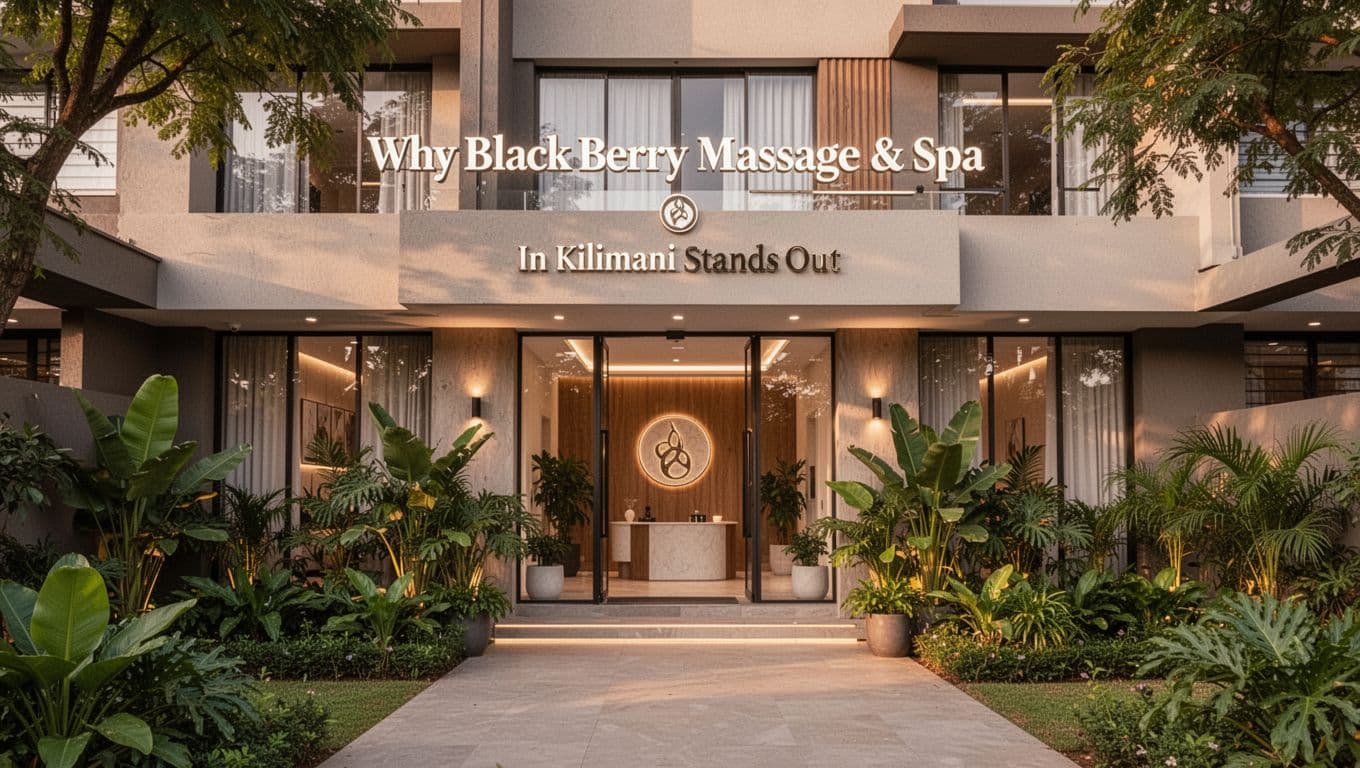
Kilimani is a practical choice for people who live, work, or spend time in the area. So instead of turning massage into a full-day errand, you can fit it into real life. That makes it easier to book a Swedish Massage when you need stress relief most, not only when your schedule is wide open.
There is also a comfort factor here. The area is well-known, and the spa presents itself as a private, welcoming place to unwind. In other words, it feels more like stepping out of noise than stepping into another task.
A calm, clean environment that supports the massage itself
A Swedish Massage should feel smooth and unhurried. The room plays a big part in that. Black Berry Massage & Spa highlights privacy, client comfort, and a relaxation-first atmosphere, which fits this massage style well.
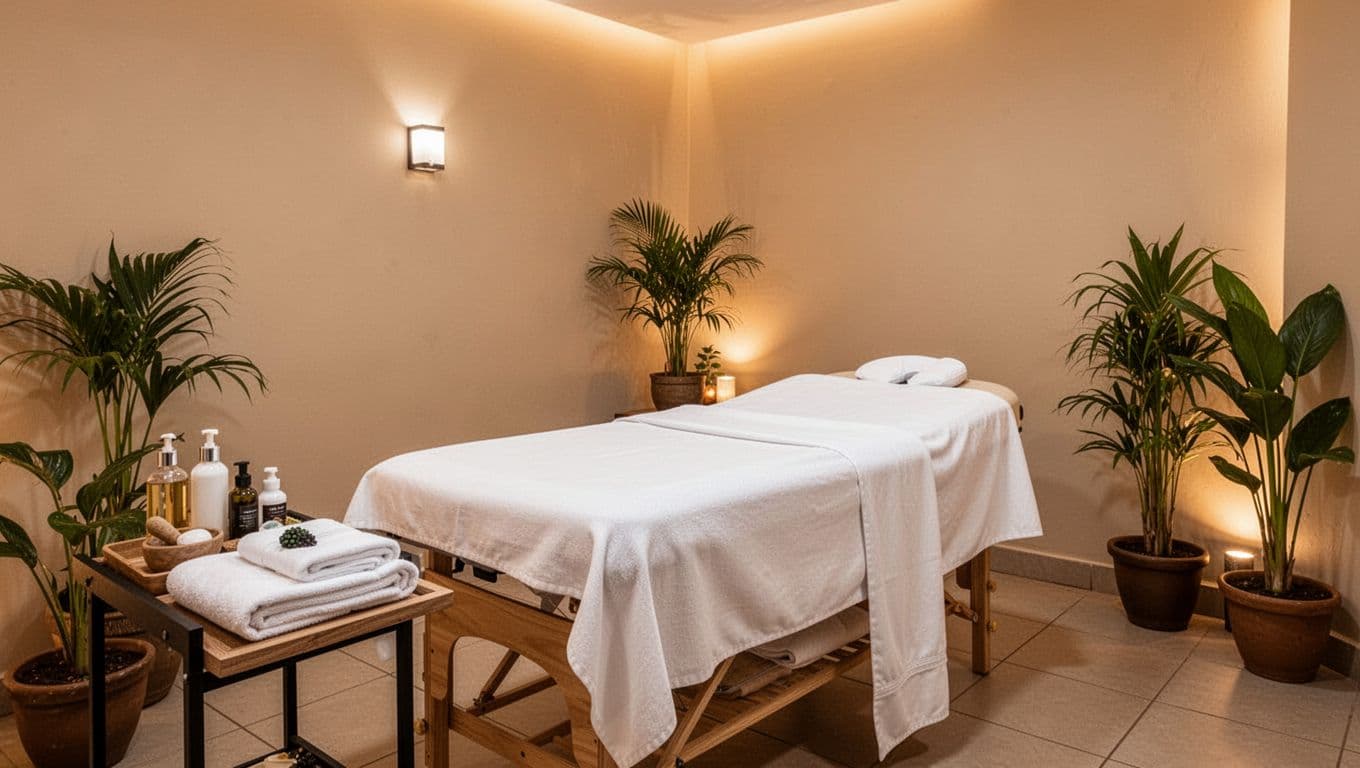
That kind of setting is not a small detail. It shapes how quickly your shoulders drop, how easily your breathing slows, and how fully you can enjoy the session. A clean room, fresh linens, soft lighting, and a quiet tone work like the frame around a painting. They let the treatment do its job.
Recent review summaries also point to a few strengths people notice: a professional team, a welcoming feel, and a space that feels relaxing rather than cold or clinical. Those are exactly the traits that pair well with Swedish Massage, because this treatment depends on ease, trust, and steady comfort.
The best Swedish Massage does not start with pressure. It starts with feeling safe enough to let go.
Professional care that feels tailored, not generic
A lot of spas offer massage on a menu. Fewer make the session feel tuned to you. Black Berry appears to put real focus on therapist skill and client preference, and that can change the experience in a big way.
Swedish Massage is gentle compared with deeper styles, but “gentle” does not mean one-size-fits-all. Some people want more time on the neck and shoulders. Others need lighter pressure, a slower pace, or extra attention to stress-heavy areas after work. A therapist who listens can make a familiar massage feel far more effective.
That client-centered approach also shows up in feedback on the site. For example, one relaxing massage testimonial praises the staff as friendly, caring, and knowledgeable. That kind of feedback matters because a strong massage experience is rarely just about technique. It is also about being understood, respected, and treated with care.
More than one way to extend the calm
Black Berry also stands out because Swedish Massage is not the only path to relaxation there. If you like to mix bodywork with other soothing treatments, the spa offers options that can complement a classic massage visit.
For example, some guests may enjoy exploring singing bowl therapy at Black Berry Spa for a different kind of reset. While it is not a replacement for Swedish Massage, it speaks to the spa’s broader focus on rest, calm, and whole-body relief. That wider menu gives returning clients room to build a routine that fits how they actually feel week to week.
This variety can be useful if your needs change. One week you may want a full Swedish Massage for muscle tension. Another time, you may want a softer, more meditative session. Having both under one roof adds flexibility without losing the spa’s relaxed identity.
Why it matters for Swedish Massage lovers
For someone who already knows the appeal of Swedish Massage, Black Berry’s edge is simple. It combines the right location, the right atmosphere, and the right service mindset. Those three things support the massage instead of distracting from it.
That means your session has a better chance of feeling complete, not rushed, awkward, or overly routine. You get the quiet setting your nervous system needs, the professional touch your muscles respond to, and the convenience that makes repeat visits more realistic. And when massage becomes easy to return to, the benefits often last longer.
Conclusion
Swedish Massage remains a trusted choice because it does two things very well, it helps the body relax and it eases the kind of muscle tension that builds up through normal life. The smooth strokes, gentle to medium pressure, and calm pace make it easy to enjoy, especially if you want relief without the intensity of deeper work. Just as important, current research continues to support what many clients already feel after a session, less stress, better circulation, and a quieter, more settled body.
For first-timers, that makes Swedish Massage one of the easiest places to start. It feels approachable, safe, and comfortable, yet it still offers real value for sore shoulders, a tired back, and a mind that won’t slow down. For regular self-care, it also holds up well because stress and stiffness rarely stay gone for long.
If your body has been asking for a break, it’s worth listening. Choose the pressure that feels right, speak up about what you need, and give yourself room to slow down.
Sometimes the most effective care is also the simplest, consistent relaxation that helps you feel more like yourself again.