
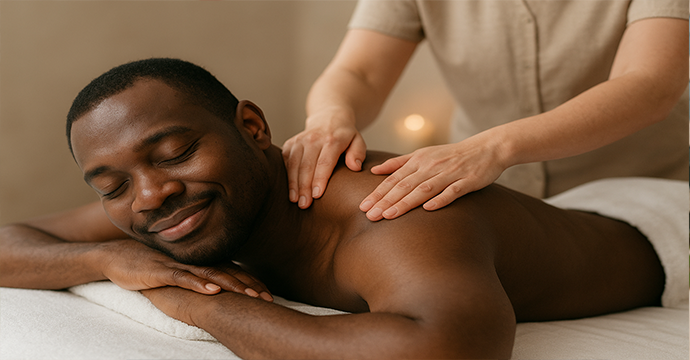
Hot Stone Massage Benefits, What to Expect, and Safety Tips
Stress has a way of settling into the body. It shows up as tight shoulders, an aching neck, a stiff lower back, or that heavy feeling that won’t seem to lift. That’s why Hot Stone Massage feels so comforting, because heat and skilled touch can help the body soften in a way that regular rest often doesn’t.
Hot Stone Massage blends massage therapy with smooth, heated stones to warm the muscles and calm the nervous system. As a result, your therapist can work more gently while still reaching areas of deep tension. For many people, that means less strain, more comfort, and a deeper sense of release during the session.
This article walks you through what hot stone massage is, how it works, and why so many people turn to it for stress relief, muscle tension, and overall relaxation. You’ll also learn the main benefits, who it may suit best, what a session usually feels like, and the key safety points to keep in mind before you book.
If you already love the feeling of warmth on sore muscles, this treatment may be a great fit. Even if you’re new to massage, knowing what to expect can help you feel more at ease and get more from the experience. In short, hot stone massage isn’t just about feeling pampered, it can be a practical way to help your body unwind and recover.
What Hot Stone Massage Is and How It Works
Hot Stone Massage is a massage treatment that uses smooth, heated stones to warm the body and ease tension. Most therapists use basalt stones because this volcanic rock holds heat well and stays warm long enough to support the session. The stones may rest on key areas of the body, and the therapist may also hold them as massage tools to glide over tight muscles.
That mix of heat and touch is what makes the treatment feel different from a standard massage. Think of the warmth like loosening butter in a warm pan, stiff muscles tend to soften faster, so the body becomes easier to work on and easier to relax.
The role of heated stones in relaxing muscles
The heat is a big part of why Hot Stone Massage feels so soothing. When warm stones rest on tight areas, they help muscles loosen up, which can reduce that guarded, braced feeling many people carry in the shoulders, neck, or back. As a result, massage pressure often feels easier to receive.
In professional settings, stones are commonly heated to about 120 to 150 degrees Fahrenheit. That range feels warm and comforting when handled well, but it should never feel sharp, stinging, or too hot to tolerate. If it does, you should speak up right away.
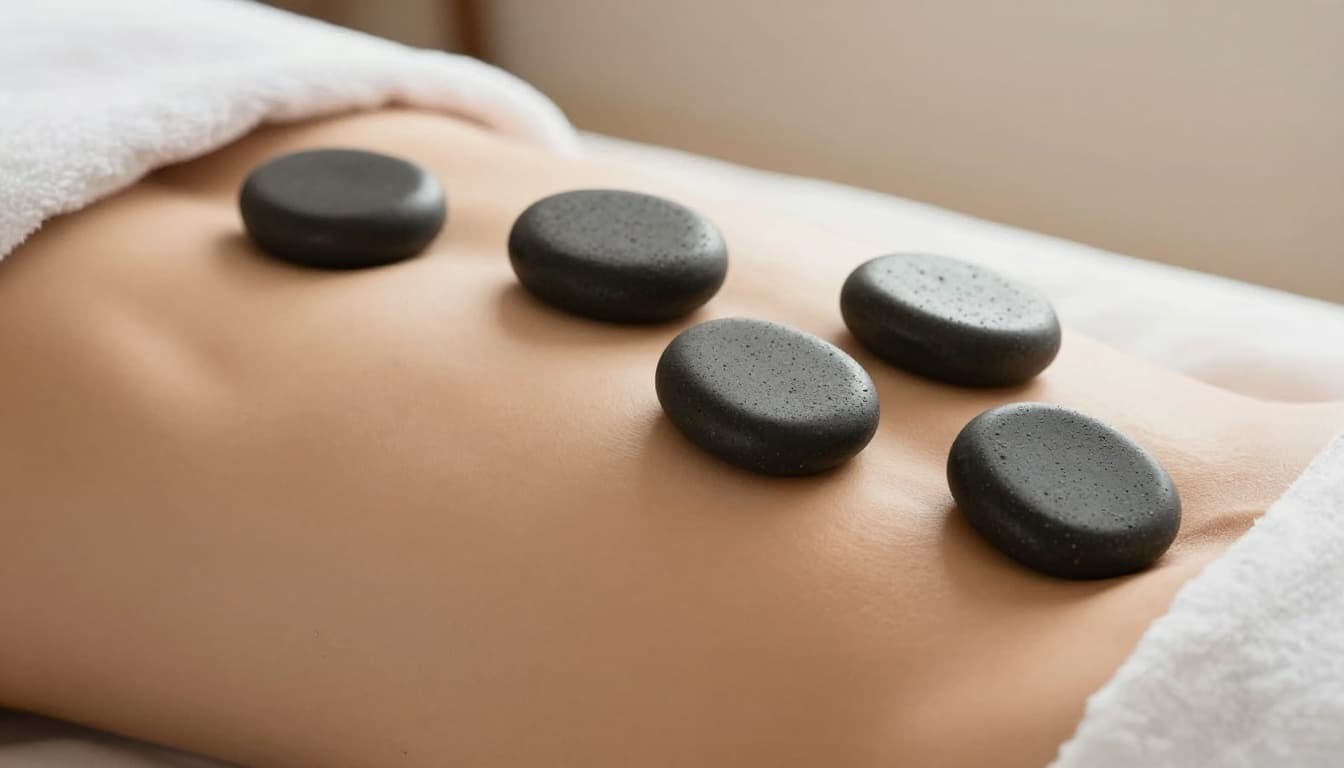
Because the muscles are more relaxed, the therapist often doesn’t need to use as much force to reach deeper tension. That can make the session feel gentler while still being effective. For people who want relief without very firm pressure, this is often a major reason Hot Stone Massage stands out.
The goal is steady, comfortable warmth, not intense heat.
Trained handling matters just as much as the stones themselves. A skilled therapist checks the temperature, uses towels or movement when needed, and watches how your skin responds. In other words, safety isn’t just about the stones, it’s about the person using them.
Where the stones are placed during a session
Placement depends on what your body needs most. In many Hot Stone Massage sessions, stones are placed on the back, especially along the spine and upper shoulders, because that’s where people often hold stress. Therapists may also place them on the palms, legs, calves, or feet to spread warmth through other tense areas.
Some sessions use stones in a simple, targeted way. Others use them more broadly to warm the whole body before hands-on work begins. The exact placement can vary based on:
- Your goal, such as stress relief, muscle tension, or general relaxation
- The body area, like the upper back, lower legs, or feet
- The therapist’s method, since each professional may structure the session a little differently
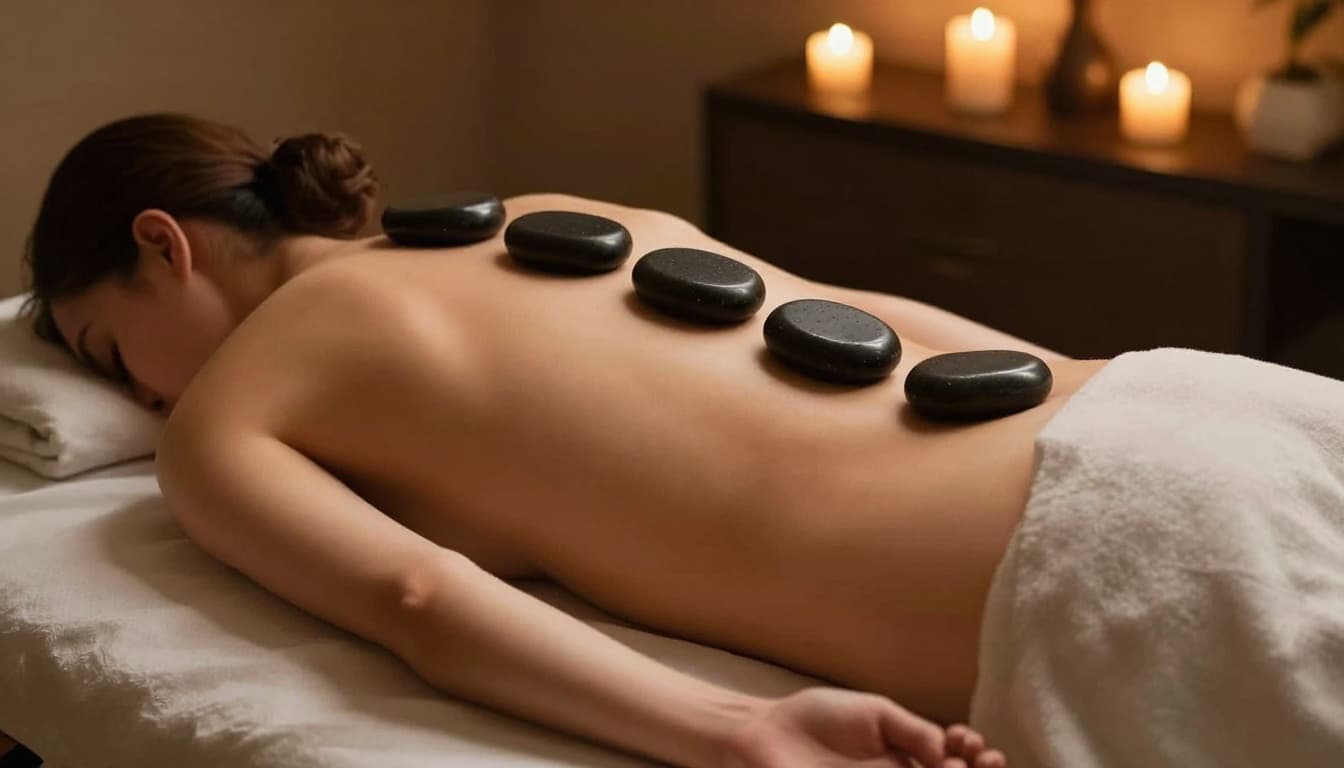
Besides placing the stones, the therapist may hold them and use them to massage the muscles directly. That means the stones don’t just sit there, they can also act like an extension of the therapist’s hands. The result often feels smooth, flowing, and deeply calming.
A quick look at how the treatment evolved
Stone therapy isn’t new. Forms of heated stone use appear in Ayurveda, old Chinese healing practices, Native American traditions, and Hawaiian healing methods. While each tradition had its own purpose and approach, the common idea was simple: warmth can comfort the body and support healing.
That older history helps explain why hot stone work still feels so natural today. If you’re interested in the wellness roots behind this style, Ayurveda-inspired spa products also reflect that long-standing connection between heat, touch, and relaxation.
Modern Hot Stone Massage became much more popular in the late 1980s and 1990s through LaStone-style treatments, which helped bring structured hot stone techniques into spas and massage rooms. Since then, therapists have blended the method with Swedish-style strokes and other massage techniques. So while the treatment feels timeless, the version most people book today is a modern take on very old healing ideas.
What Happens During a Hot Stone Massage Appointment
If you’re booking your first Hot Stone Massage, knowing the flow of the appointment can make the whole experience feel easier. From the moment you arrive, the goal is simple: help you feel safe, warm, and relaxed while your therapist works on areas of tension.
Most sessions follow a clear routine, but they aren’t robotic. A good therapist adjusts the massage to your body, your comfort level, and how you respond to heat. That means your appointment should feel personal, not one-size-fits-all.
Before the massage starts, what your therapist needs to know
Before the table work begins, your therapist will usually ask a few intake questions. This short conversation matters more than many first-time clients expect, because it shapes how the whole session is done.
You’ll likely be asked about:
- Pain points, such as tight shoulders, a sore lower back, or stiff calves
- Past or current injuries, including strains, recent sprains, or sensitive joints
- Health conditions, like circulation issues, diabetes, nerve problems, skin concerns, or high blood pressure
- Heat sensitivity, especially if you find warm packs uncomfortable or your skin reacts fast
- Comfort preferences, including pressure, room warmth, draping, and areas you’d rather avoid
Be honest here, even if something seems small. A minor detail can change the best approach. For example, if you’re heat-sensitive, your therapist can use cooler stones, place them for less time, or skip certain areas. If deep pressure isn’t your thing, they can keep the work lighter while still using warmth to help muscles soften.
You’ll also have a chance to ask practical questions. Wondering what to wear? In most cases, you undress to your comfort level and lie under a sheet or towel. Your privacy is protected throughout the session, and only the area being worked on is uncovered. That setup helps many people relax quickly, because you stay warm and covered.
The more clearly you speak up before the massage, the more comfortable the session usually feels.
If you enjoy oils or have sensitive skin, mention that too. Most therapists use massage oil or lotion so the stones and hands glide smoothly, but they can often adjust the amount or product type.
Step by step, how a typical session unfolds
Once the consultation is done, your therapist will leave the room so you can get settled on the table in private. You’ll lie under a sheet, usually starting face down, unless your therapist has another plan based on your needs.
In a professional Hot Stone Massage, the stones are heated in water, not microwaved or used straight from a dry heater. This helps control the temperature more evenly. Before any stone touches your body, the therapist checks the heat first. It should feel comfortably warm, not sharp or burning.
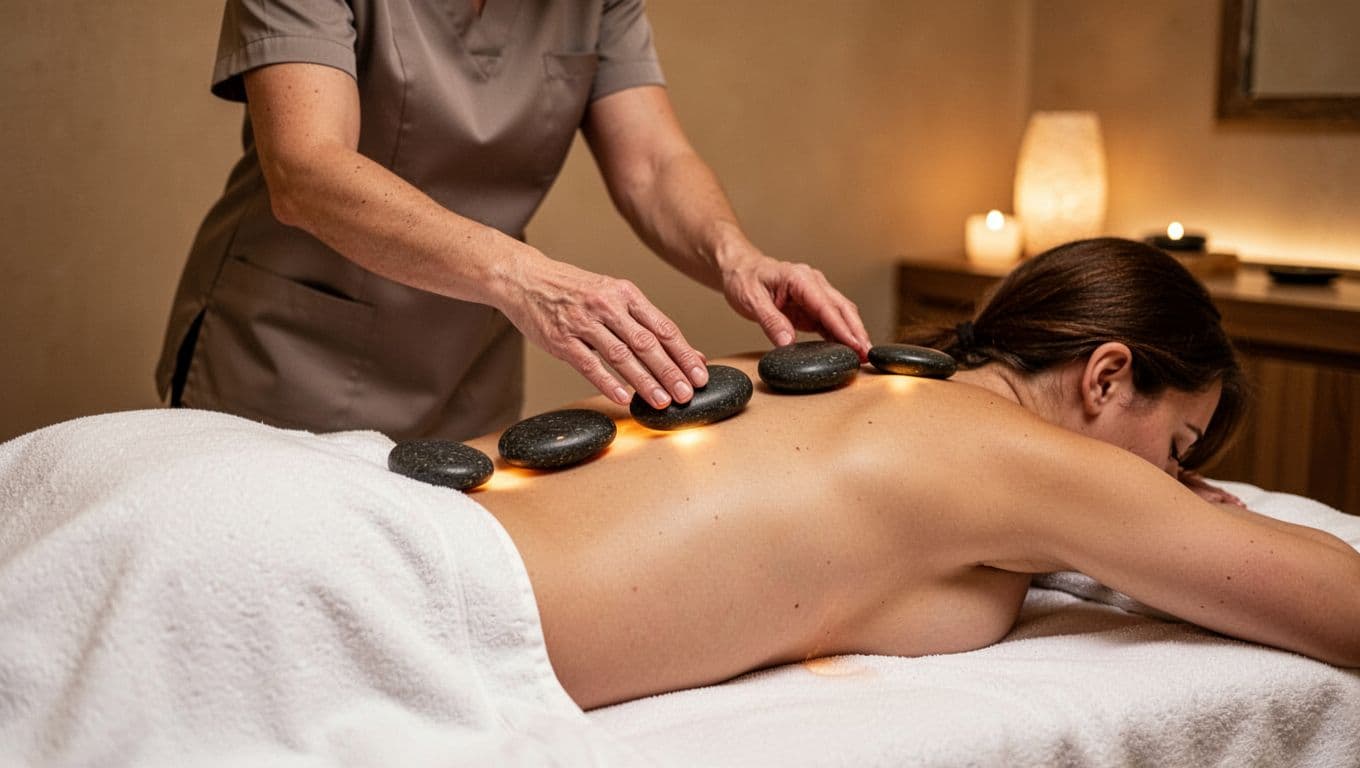
A typical session often unfolds like this:
- You get positioned on the table under a sheet or towel, with bolsters or pillows added for support if needed.
- The therapist begins with light hands-on work to introduce touch and help your body settle.
- Heated stones are placed on target areas, often the back, shoulders, legs, or along key muscle groups.
- Oil or lotion is applied so the therapist can glide smoothly over the skin.
- The therapist uses both stones and hands to massage tight areas with long strokes, circles, or gentle kneading.
- Stones are swapped out as they cool, so the warmth stays steady during the session.
- You may turn over halfway through, and the process continues on the front of the body if included.
Some sessions focus mostly on the back, neck, and shoulders. Others include the arms, legs, feet, or hands as well. In some cases, a therapist may also use cold stones briefly. That contrast can help certain areas feel refreshed, though not every session includes it.
If you want to recreate part of that soothing feel between appointments, these massage oils for hot stone therapy can help make home care more comfortable.
Throughout the massage, your therapist should check in with you. If a stone feels too hot, the pressure feels off, or you want more draping, say so right away. A good session should feel calming, not like something you have to endure.
How long a session lasts, and how it usually feels
Most professional Hot Stone Massage appointments last about 60 to 90 minutes. An hour gives enough time for focused work on a few problem areas, while a longer session allows the therapist to cover more of the body without rushing.
The feeling is usually deeply warming, soothing, and calming. Think of it like resting under a heated blanket, but with targeted massage layered in. The heat sinks in slowly, which helps tight muscles release without so much force.
Because the muscles soften faster, the pressure may feel gentler than you expect. That’s one reason many people love hot stone work. Your therapist may not need to press as hard to reach areas that normally feel guarded or tense.
You might notice:
- A spreading warmth through the back, shoulders, or legs
- A heavy, loose feeling in tight muscles
- A calm, sleepy state as the session goes on
- Less resistance to pressure than in a standard massage
What you shouldn’t feel is pain from the heat. Warm is good. Too hot is not. If anything feels intense in the wrong way, speaking up is part of the process, not a disruption.
What to do after your massage for the best results
When the massage ends, don’t feel pressure to jump right back into a busy schedule. Many people feel clear and refreshed, but others feel dreamy, loose, or ready for a nap. That’s normal.
A few simple habits can help you get more from the session:
- Drink water so you can rehydrate and feel more balanced afterward
- Take it easy for a bit, especially if you feel very relaxed or sleepy
- Notice how your body feels over the next several hours, especially in your usual tension spots
- Skip very intense exercise right away if your muscles feel tender, heavy, or unusually loose
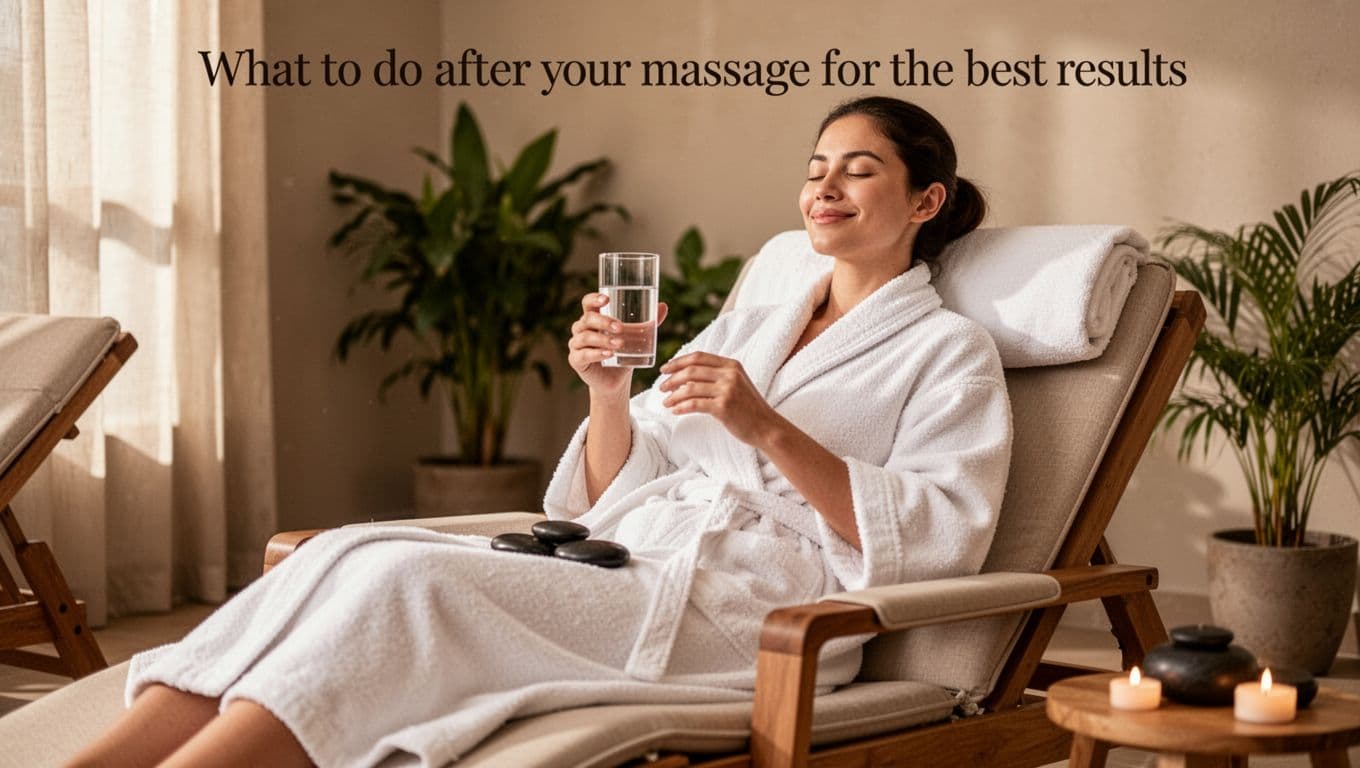
A warm shower later can feel great, but give your body a little space first if you’re already feeling very mellow. Some people also like to note whether certain areas improved most, because that helps guide the next appointment.
In short, the best aftercare is simple: hydrate, move gently, and let the calm linger.
The Benefits of Hot Stone Massage for Body and Mind
The appeal of Hot Stone Massage is simple: it combines two things the body often responds to well, heat and skilled touch. Together, they can help you feel looser, calmer, and less worn down after a long week.
That said, it’s smart to keep expectations grounded. Evidence strongly supports general heat therapy for muscle relaxation and improved blood flow, while research on hot stone massage itself is still more limited and often based on small studies. Even so, the way it feels in real life is hard to ignore, especially if your body carries stress in your neck, shoulders, or back.
Easing muscle tension, stiffness, and everyday aches
If your body often feels tight before you even start the day, hot stone work can feel like a reset button. The steady warmth helps muscles relax, so stubborn areas may soften faster than they would with hands alone.
Think about common tension patterns. Hours at a desk can leave your neck rigid and your shoulders lifted like they’re trying to hold your whole day up. Long commutes, poor sleep, workouts, and stress can also leave the lower back, calves, or hips feeling heavy and stiff. In those cases, Hot Stone Massage can make the body less guarded, which may help the therapist work through knots more comfortably.
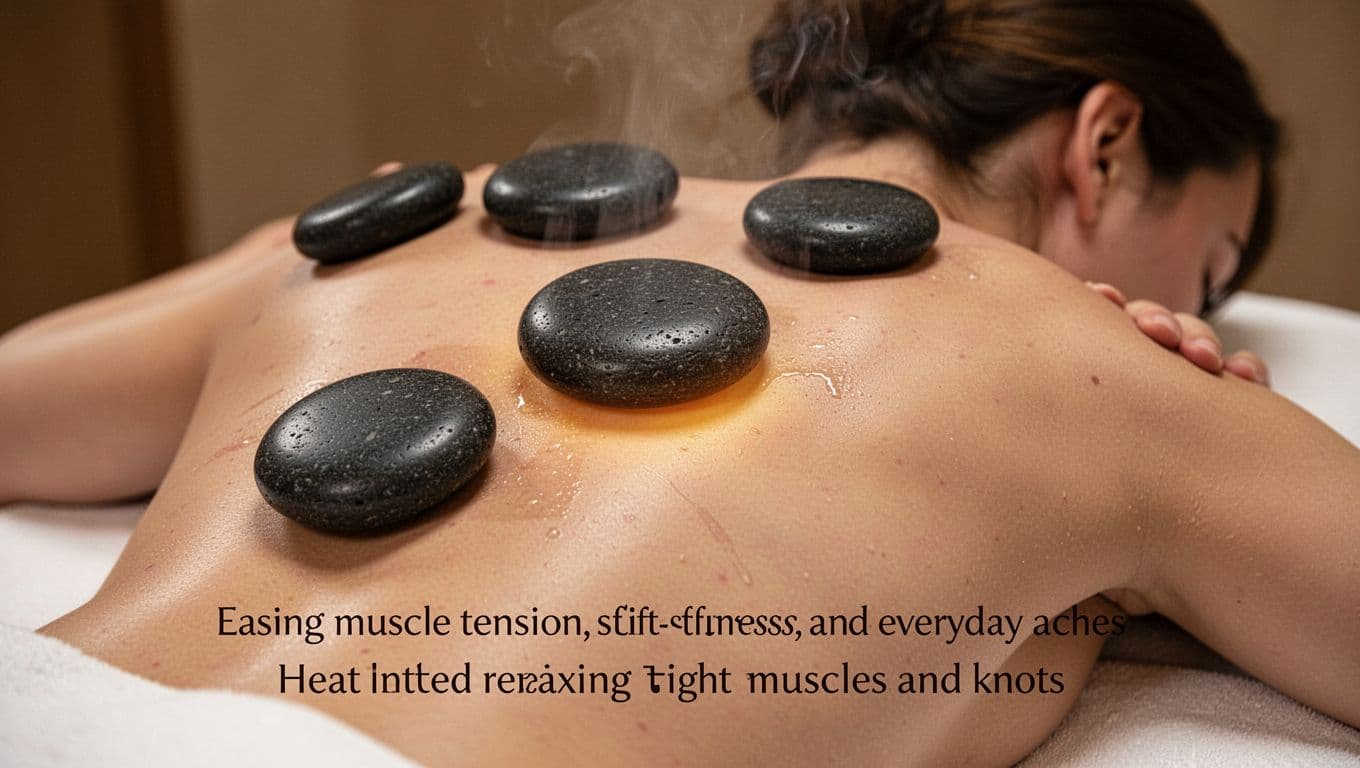
Heat acts a bit like warming up cold wax. When tissue feels less rigid, it often responds better to pressure and movement. As a result, a therapist may not need to press as hard to reach areas of tension. For many people, that’s a big plus. You get relief without feeling like your muscles are in a wrestling match.
This can be especially helpful for:
- Desk job tension, such as a tight neck, rounded shoulders, and upper back strain
- Sore shoulders, often linked to stress, poor posture, or repetitive movement
- Back tightness, especially that dull, dragging ache across the mid or lower back
- General body fatigue, when everything feels tense, heavy, or overworked
Some people also notice that the warmth helps them become more aware of where they’re holding stress. You may walk in thinking your back is the problem, then realize your jaw, hips, or legs have been tense too. That full-body release is one reason the treatment can feel so satisfying.
When muscles are warm, they often let go more easily, and massage can feel effective without feeling harsh.
Supporting stress relief, better sleep, and deep relaxation
One of the biggest reasons people book Hot Stone Massage is how deeply calming it feels. The warmth is steady, the pace is often slower, and the touch gives your nervous system a clear message: you can stop bracing now.
As the body settles, breathing often slows on its own. Shoulders drop. The jaw unclenches. That shift matters because stress isn’t only mental, it lives in the body too. Warm stones can help interrupt that tense, always-on feeling many people carry all day.
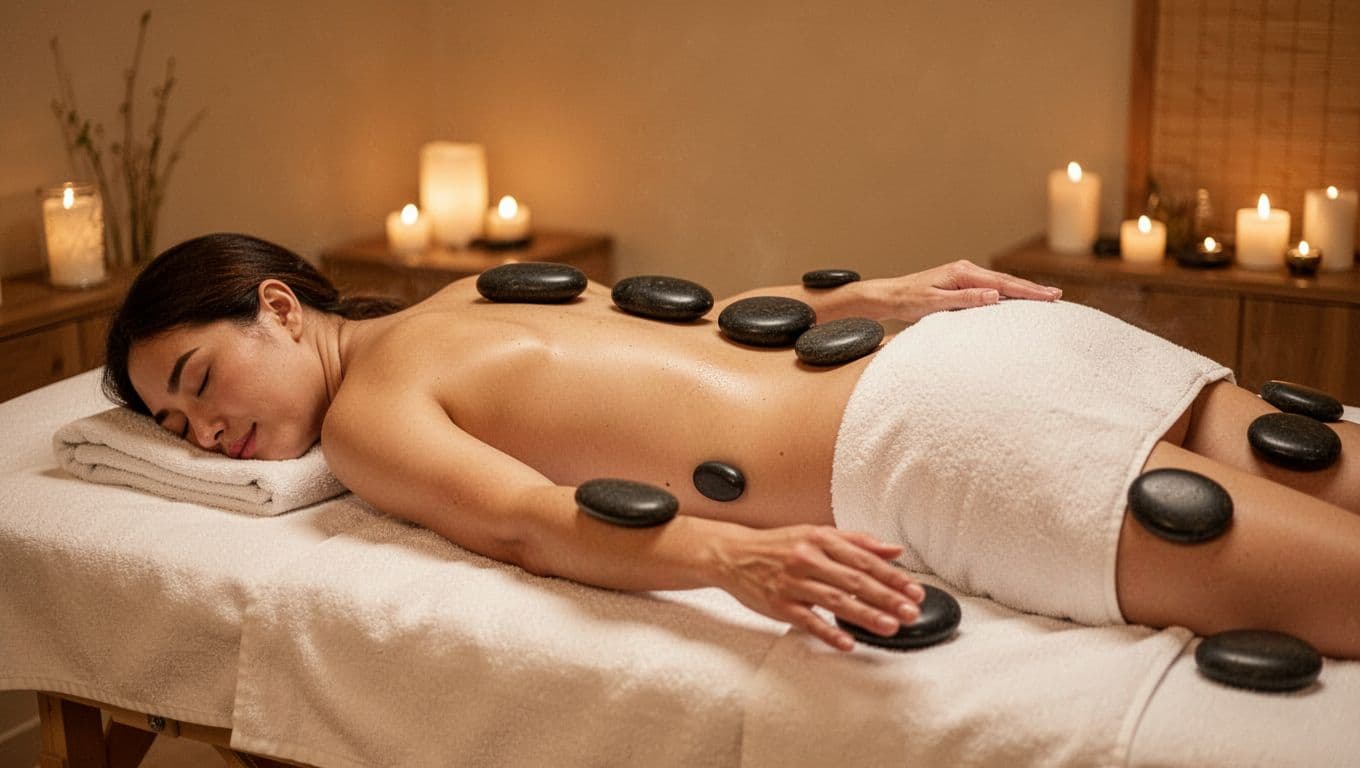
Massage may also support the release of endorphins, which are the body’s natural feel-good chemicals. You don’t need to think about the science while you’re on the table, of course. You mostly notice the result, a lighter mood, a quieter mind, and that sleepy, peaceful feeling that can last for hours.
Many people leave a hot stone session feeling:
- Mentally quieter, with less inner chatter
- Physically calmer, because the body is no longer fighting tension
- Sleepier than expected, especially after a stressful week
- More emotionally settled, almost like the volume has been turned down
This doesn’t mean Hot Stone Massage “treats” sleep problems or anxiety on its own. Still, it can support better rest by helping your body move out of tension and into a more relaxed state. If you’ve ever had a massage and slept deeply that night, you know the feeling. Hot stones often amplify that effect because warmth has its own soothing pull.
In simple terms, regular massage can relax you, but heat often adds a cocoon-like effect. It wraps the body in comfort, and that can make it easier to fully switch off.
How heat may help circulation and flexibility
Warmth does more than feel nice. It can also cause blood vessels to widen, which may improve blood flow to the area being worked on. Better circulation can help tissues feel warmer, softer, and more ready to move.
This is one of the clearest reasons heat has been used for so long in wellness and recovery settings. When blood flow improves, muscles may feel less stiff and more supple. That doesn’t mean one hot stone session changes everything, but it can make movement feel easier in the short term, especially if tightness has been holding you back.
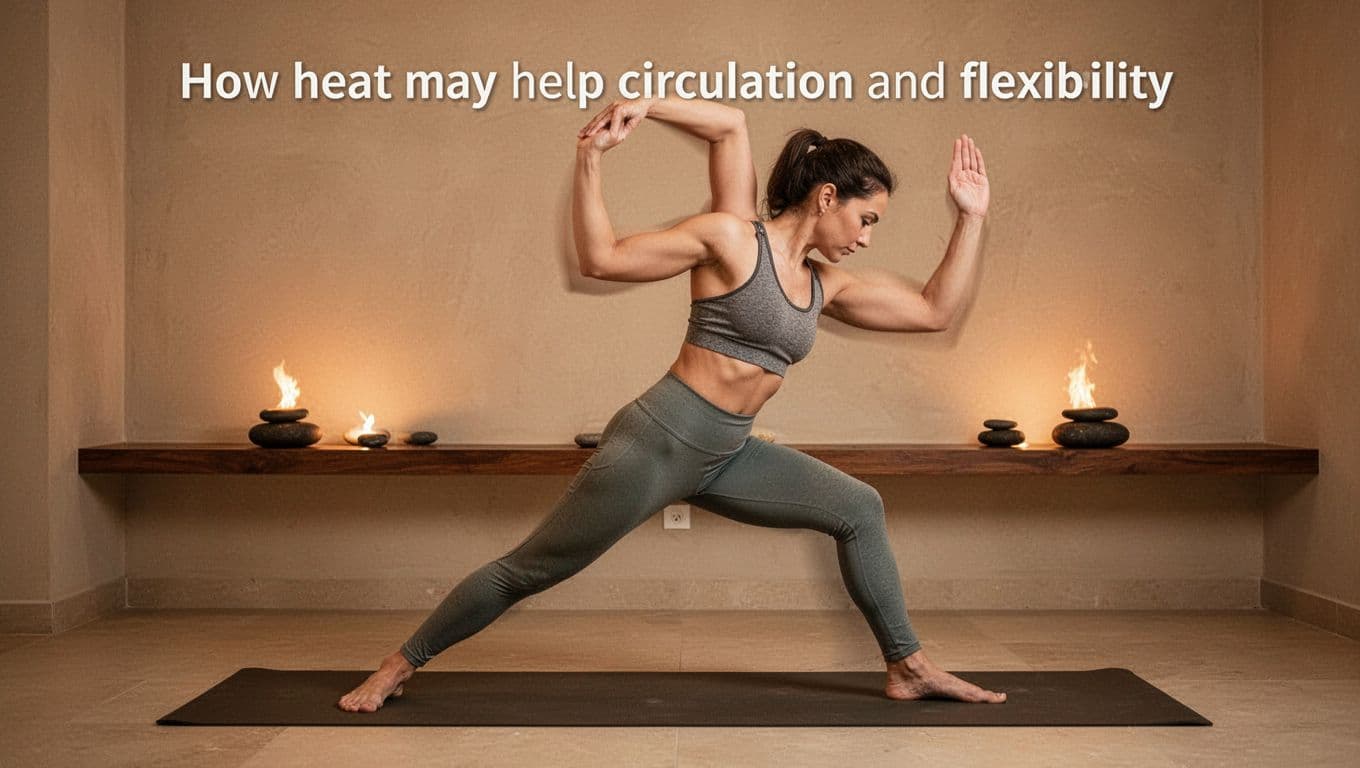
Picture a rubber band in a cold room versus one that’s been warmed in your hands. The warmed one usually moves with less resistance. Muscles and soft tissue aren’t rubber bands, of course, but the comparison helps. Heat may make the body feel more pliable, which can support stretching, massage work, and day-to-day movement.
You might notice this benefit most when:
- Reaching overhead feels less restricted
- Turning your neck feels smoother
- Your back loosens up after feeling rigid
- Walking feels easier after leg or hip tightness
Massage itself can also support circulation through pressure and movement, so the combination matters. Heat helps prepare the area, then massage helps work through it. That’s why Hot Stone Massage often feels smooth rather than forceful. The body has already started to open up.
Still, it’s best not to overstate the claim. Improved circulation and easier movement are reasonable short-term benefits, but they aren’t a cure for injuries or chronic medical issues. If stiffness is severe, persistent, or paired with swelling or numbness, a medical evaluation matters.
When Hot Stone Massage may feel better than a regular massage
Hot stone work isn’t “better” for everyone, but it can feel better for the right person. If you love warmth, tend to feel cold, or carry deep tightness that makes standard massage feel intense, this style may be a great match.
Compared with a regular Swedish massage or relaxation massage, the main difference is how quickly heat can help the body soften. In a standard session, the therapist often needs more time, and sometimes more pressure, to get the same release in very tight areas. With hot stones, that process may feel easier and more soothing.
A simple comparison can help:
| Massage style | What it may feel best for | Possible downside |
|---|---|---|
| Hot Stone Massage | Tight muscles, stress, deep relaxation, people who enjoy warmth | May not suit heat-sensitive clients |
| Swedish massage | Gentle relaxation, light to moderate pressure, first-time clients | May feel less effective on very stiff muscles |
| Firm pressure massage | Dense tension, focused knot work, people who like strong pressure | Can feel intense if muscles are already guarded |
If you often think, “I want relief, but I don’t want to be pounded into the table,” hot stones can hit a sweet spot. The therapist may work deeply, but the warmth helps the pressure feel more comfortable.
On the other hand, some people prefer a different style. If you’re heat sensitive, dislike feeling very warm, or want very firm, focused pressure on a specific issue, a regular massage or another method may suit you better. There is no one perfect option, only the one that fits your body and comfort level.
In short, Hot Stone Massage tends to shine when the goal is to ease tension while creating a strong sense of calm. It’s less about intensity and more about helping the body let go.
Who Should Try Hot Stone Massage, and When to Be Careful
Not every massage style fits every body, and that’s especially true with Hot Stone Massage. For the right person, it can feel like a deep exhale, warm, calming, and easy to settle into. Still, heat changes the experience, so it’s smart to know both who tends to love it and when extra care makes more sense.
If you’re deciding whether to book, think about two things: how your body responds to warmth, and whether you have any health issues that affect sensation, circulation, or skin. That simple check can help you choose with confidence.
Who tends to enjoy this treatment the most
Many people who love Hot Stone Massage have one thing in common: they carry tension that responds well to warmth. If your shoulders feel tight after long hours at a desk, or your back gets stiff from sitting too much, heat can help those areas soften faster. As a result, the massage often feels soothing from the start.
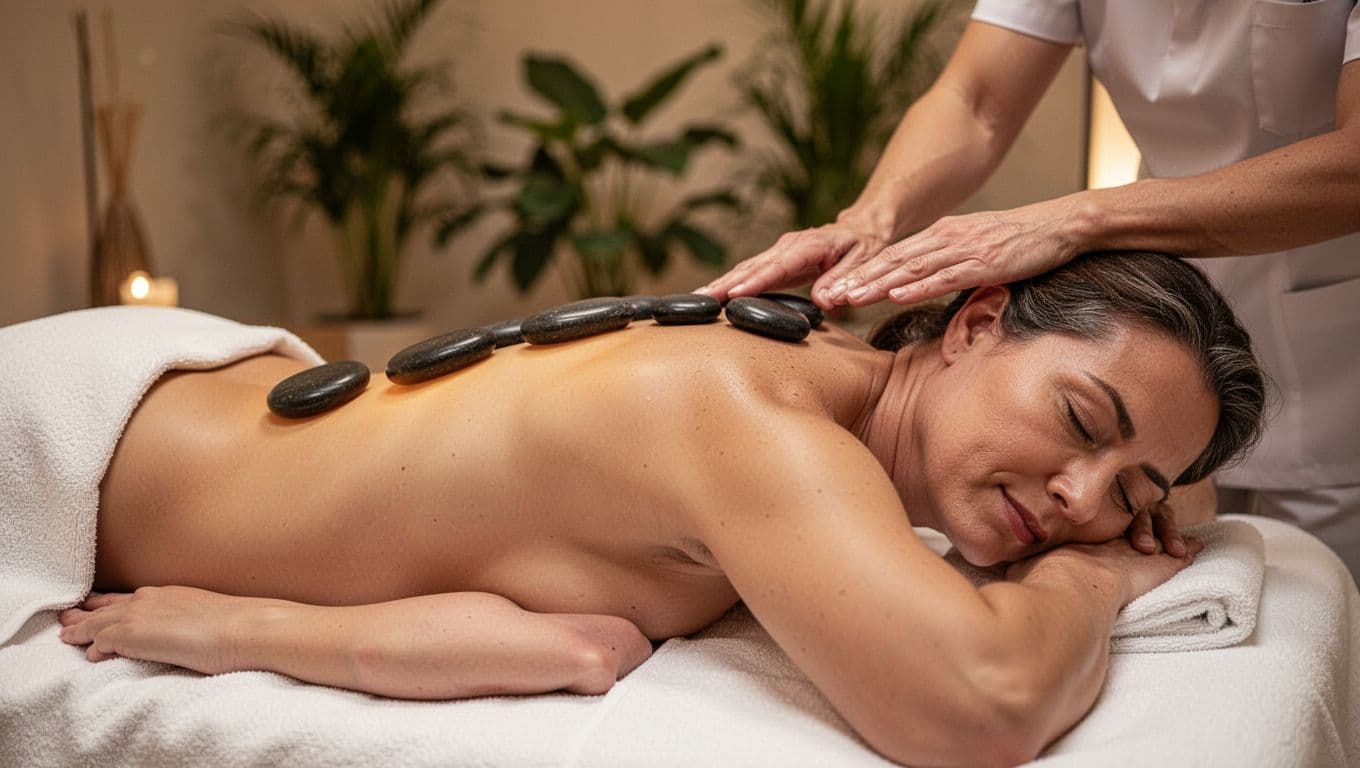
This treatment also suits people who feel mentally worn out, not just physically tight. The steady warmth can feel like a weighted blanket for your nervous system. If you’ve had weeks where your body stays on high alert, hot stones may help you unwind more easily than a standard massage alone.
You may be a good fit if you:
- Feel stressed and tense: Heat plus gentle massage can help the body let go.
- Have mild muscle tightness: Especially in the neck, shoulders, lower back, or calves.
- Sit for long periods: Desk work, driving, or travel often leave the body stiff.
- Enjoy warmth: If heating pads or warm baths usually feel great, that’s a good sign.
- Want a calming spa experience: This style often feels slower, softer, and more cocoon-like.
Beginners often do well with hot stone work because the warmth can make pressure feel easier to receive. In other words, you may get relief without feeling like the therapist has to push hard. For someone nervous about massage, that’s a big plus.
Regular spa visitors often enjoy it for a different reason. They know how much heat changes the mood of a session. A standard massage can relax you, but hot stones can make the whole treatment feel deeper and more restful, almost like your muscles melt before the therapist even gets to them.
If you already enjoy quiet, soothing treatments, you may also like exploring other calming options, such as serene singing bowl treatments. The styles are different, but both appeal to people who want stress relief without an intense experience.
Health conditions that call for extra caution
As comforting as Hot Stone Massage can be, heat is not the right match for every situation. Some conditions make it harder to feel temperature clearly. Others make the skin or circulation more sensitive. That’s why a good therapist asks health questions before the session starts.
Here are the most important times to pause, reschedule, or get medical advice first:
- Fever or feeling unwell: Heat can make you feel worse when your body is already fighting something.
- Open wounds or broken skin: Stones and massage should stay away from damaged skin.
- Sunburn: Burned skin is already inflamed, so added heat can be too much.
- Some heart conditions: Heat may not be appropriate for everyone with heart or circulation concerns.
- Diabetes with reduced sensation: If you don’t feel heat normally, burns are easier to miss.
- Varicose veins: These areas may need to be avoided or treated very gently.
- Severe skin sensitivity: Heat and friction may trigger irritation quickly.
- Recent injury: Fresh sprains, strains, swelling, or bruising need extra care.
- Pregnancy, unless approved by a doctor: This is especially important if there are any pregnancy-related risks.
- Any condition that affects heat tolerance: Nerve issues, some autoimmune concerns, or past heat reactions matter here.
A simple rule helps: if your skin is inflamed, your sensation is reduced, or your body struggles with heat, don’t assume hot stones are safe for you. Ask first. A qualified healthcare professional can tell you whether to avoid the treatment, choose a gentler version, or wait until you’re feeling better.
Warmth should support comfort, not add risk.
Even if hot stones are not ideal, that doesn’t always mean massage is off the table. In some cases, another style may suit you better. If you’re comparing options, it also helps to understand typical rates for relaxation massages so you can choose a treatment that fits both your needs and your budget.
Signs the stones are too hot, and why communication matters
A safe Hot Stone Massage should feel warm, steady, and soothing. It should never feel sharp, stinging, or hard to tolerate. If the heat makes you tense up instead of relax, that’s your cue to speak up right away.
Some people hesitate because they don’t want to interrupt the session. Don’t wait. Saying “that’s too hot” is not being difficult, it’s part of safe massage care. A trained therapist expects feedback and should adjust immediately.
Watch for signs like these:
- The heat feels intense right away, not pleasantly warm.
- You feel a sharp or prickly sensation, instead of soft, even warmth.
- Your body pulls away or tightens up when the stone touches your skin.
- The spot keeps getting hotter, rather than settling into comfort.
- Your skin feels irritated afterward, especially if redness seems strong or lingers.
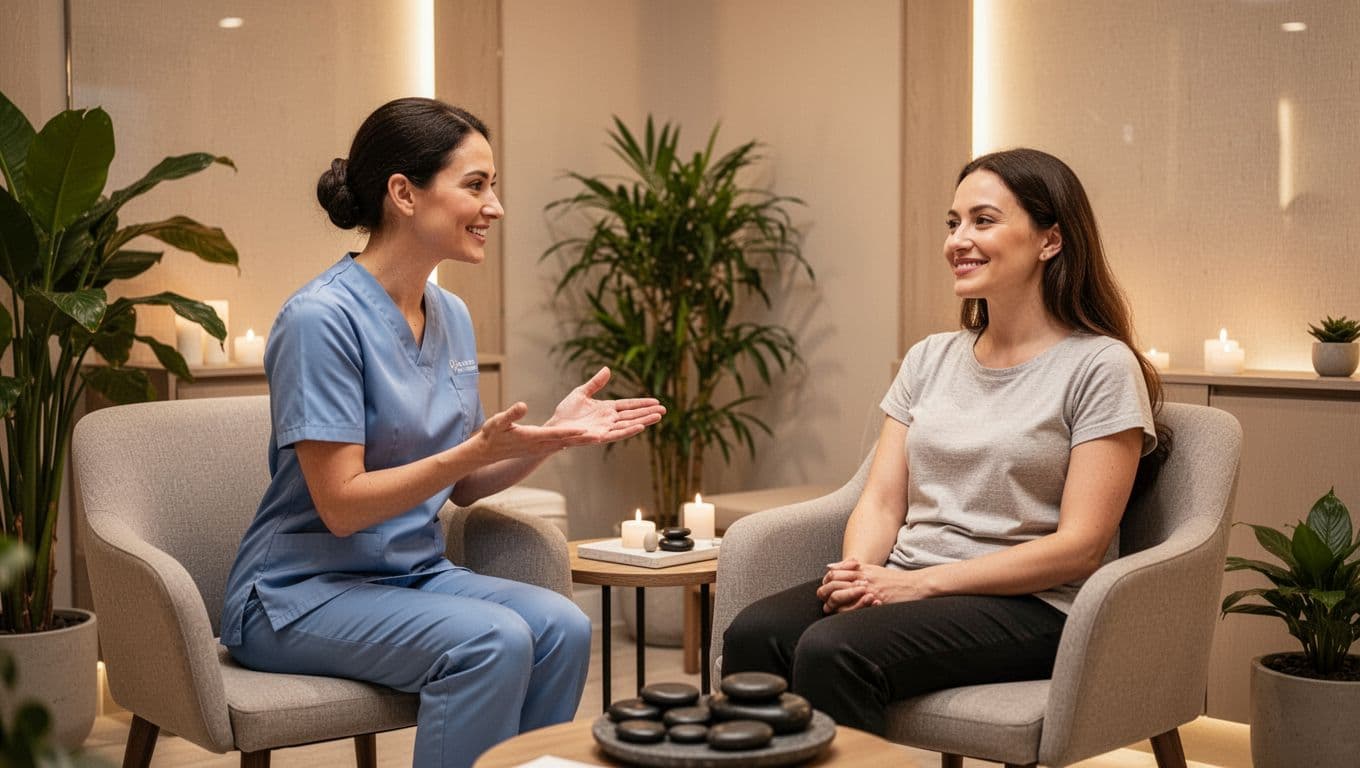
Good communication starts before the first stone is placed. Tell your therapist if you usually dislike heating pads, have sensitive skin, or tend to overheat easily. Then keep speaking during the session if anything changes. Your feedback works like a steering wheel, it helps guide the treatment to the safest, most relaxing version for you.
Therapist training matters just as much. Skilled therapists monitor stone temperature, check in often, and treat client feedback seriously. They know that hot stone work is never about “pushing through” heat. It’s about using warmth with care so your body can relax, not brace.
In short, trust your skin. If it feels soothing, you’re likely in the right zone. If it feels burning or stressful, say something immediately.
How to Choose a Great Hot Stone Massage Experience
A great Hot Stone Massage should feel calm, safe, and worth the time you set aside for it. The difference often comes down to the therapist’s training, how the stones are handled, and how well the session fits your body. If the basics are done right, the treatment feels like comfort with purpose, not just heat on the skin.
What to look for in a trained massage therapist or spa
Start with the setting. A high-quality spa should look and feel clean, organized, and peaceful. Fresh linens, tidy treatment rooms, clean towels, and a quiet atmosphere all matter because they shape both safety and comfort.
Just as important, the therapist should communicate clearly before the session starts. You want someone who asks about your health, checks for heat sensitivity, and explains how the treatment works. That short consultation is a good sign because it shows they are paying attention to your needs, not running through the same routine with everyone.
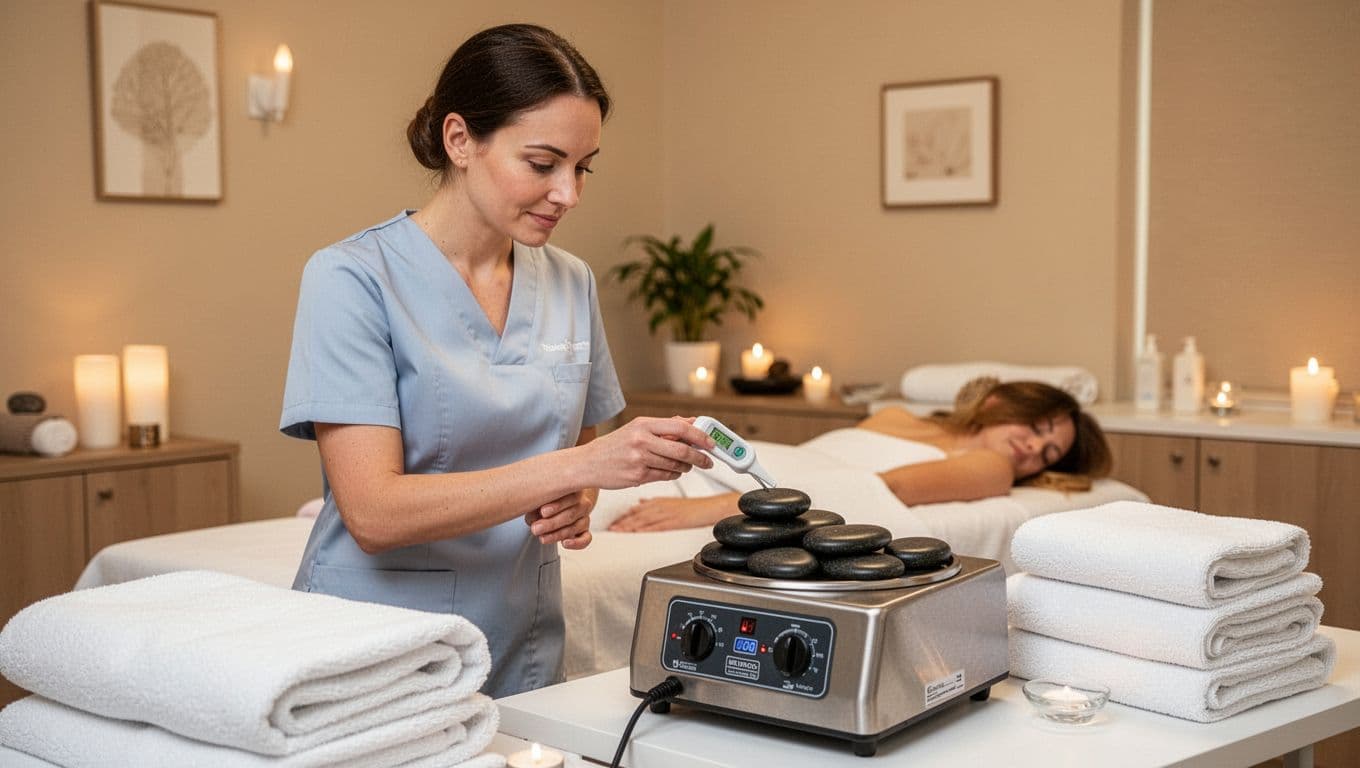
Pay close attention to how the spa handles the stones. In professional care, stones are heated in a controlled water-based unit, not improvised with random heat sources. Safe temperature control is a big part of Hot Stone Massage, so skill matters as much as the massage itself.
A strong spa experience also includes:
- Privacy: Proper draping and a therapist who leaves the room while you get settled
- Temperature checks: The therapist tests the stones and checks in during the session
- A calm setting: Soft lighting, low noise, and no rushed feeling
- Respectful pacing: Time to discuss pressure, comfort, and areas to avoid
If the spa feels rushed or the therapist brushes off your concerns, that’s a warning sign.
Questions worth asking before you book
A quick phone call or message can tell you a lot. You do not need a long interview, but a few smart questions can help you avoid a poor fit.
Here are the most useful ones to ask:
- How long is the session? Most people choose 60 or 90 minutes.
- Is the hot stone work full-body or focused on key areas? Some sessions center on the back, neck, and shoulders.
- How do you check stone temperature during treatment? You want a clear, confident answer.
- What if I have sensitive skin or don’t tolerate heat well? A good spa should explain how they adjust.
- Can the massage be customized? For example, lighter pressure, fewer stones, or avoiding certain spots.
These questions are simple, but they reveal a lot. If the answers sound vague, casual, or dismissive, keep looking. A good therapist should make safety sound normal, not optional.
Average session length, price range, and how often to go
For most people, a Hot Stone Massage session lasts 60 to 90 minutes. An hour works well if you want focused relief. A 90-minute session gives more time for full-body work and a slower pace.
Pricing varies by city, spa level, and therapist experience. In many markets, you will see a broad range of about $100 to $200 USD. Local rates can be lower or higher. For example, current Nairobi pricing is often more affordable, with many sessions falling around $35 to $80 USD, depending on the spa and package.
This quick guide keeps expectations realistic:
| Factor | Common range | What it means |
|---|---|---|
| Session length | 60 to 90 minutes | Best range for most clients |
| Broad price range | $100 to $200 USD | Common in many international markets |
| Nairobi examples | About $35 to $80 USD | Local pricing often runs lower |
| Frequency | Once in a while to monthly | Depends on stress, budget, and goals |
If you mainly want stress relief, booking one now and then may be enough. If muscle tension keeps building up, once a month can fit well into a regular wellness routine. More often is not always better, so let your body, schedule, and budget guide you.
At home vs professional Hot Stone Massage, what is safer and more effective
Home hot stone kits can look tempting, especially if you love warmth and want to save money. Still, professional care is usually the safer and more effective choice. A trained therapist knows how to monitor stone temperature, move the stones properly, and avoid sensitive areas.
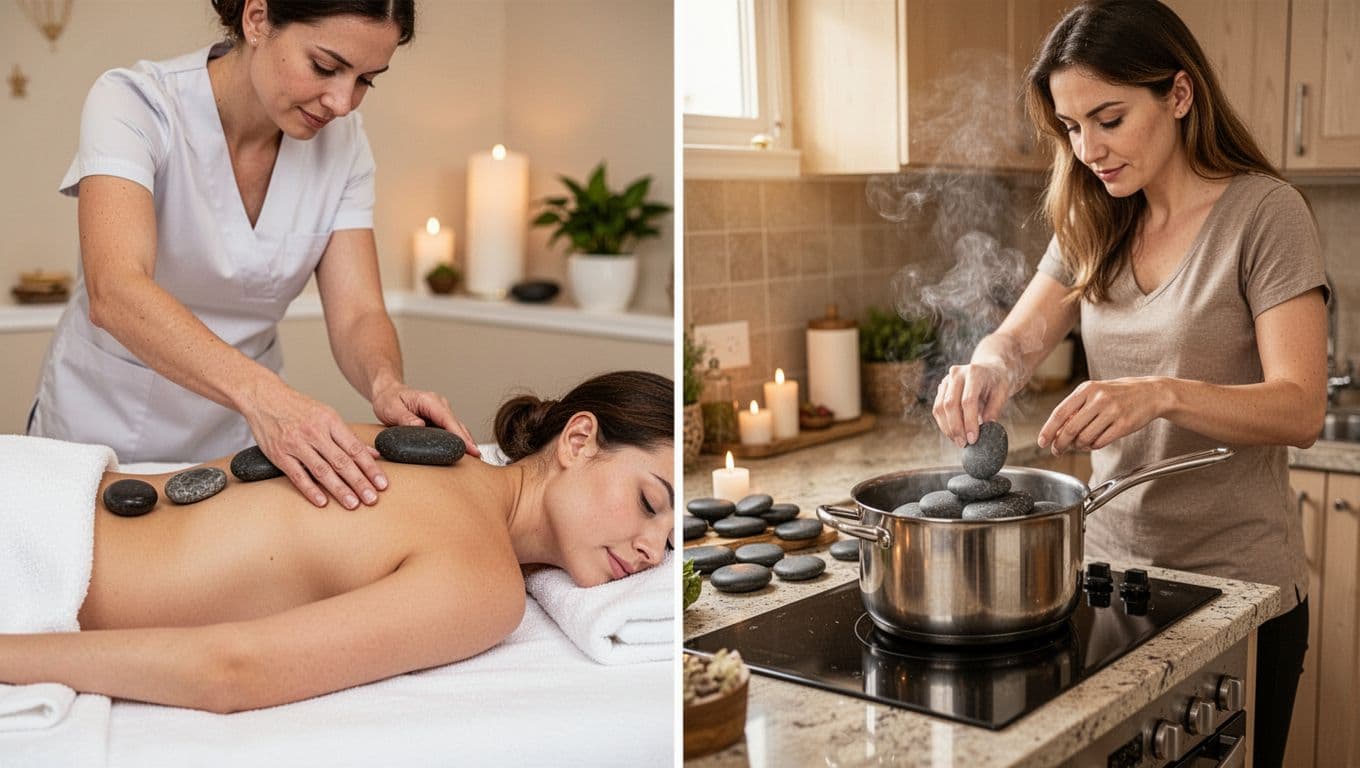
At home, the biggest risk is simple: stones can get too hot, too fast. Without training, it is also easy to hold them too long in one spot or use poor technique. That can turn a relaxing idea into skin irritation or an unpleasant session.
Professional treatment usually wins on both safety and results because it includes:
- Controlled heating methods
- Ongoing temperature checks
- Better massage technique
- Easier customization for pain points or sensitivity
Home use is best kept simple, like gentle warmth with great care, not a full replacement for a spa session. If you want the best value, choose a therapist who keeps the room clean, explains the process clearly, checks heat often, and adjusts the massage to your comfort. That is what makes a Hot Stone Massage feel safe, high-quality, and truly worth booking.
Why Black Berry Massage & Spa Stands Out in Nairobi As The Best
If you already love Hot Stone Massage, you know the basics are not enough. Warm stones alone don’t make a great session. The real difference comes from the hands, the setting, the pace, and how well the spa makes you feel cared for from start to finish.
That is where Black Berry Massage & Spa stands out in Nairobi. It offers the kind of experience people hope for when they book a hot stone treatment, calm surroundings, thoughtful service, and a session that feels personal instead of rushed.
A relaxing experience that clients clearly remember
The strongest sign of a great spa is simple: people leave happy and talk about it. Recent review feedback points to Black Berry Massage & Spa as a top choice in Nairobi for relaxing massage experiences, with clients praising the friendly staff, caring service, and the amount of time given during treatment.
That matters for Hot Stone Massage because this style works best when the whole experience feels soothing. Heat and massage should lower your guard, not make you feel hurried. When clients mention feeling cared for and fully attended to, that tells you the spa understands what relaxation should actually feel like.
A hot stone session should feel like your body can finally stop holding on.
For many people, that is the difference between an average appointment and one they want to book again.
The setting supports the treatment, not just the look
A good hot stone massage starts before the first stone touches your skin. The room has to feel calm. The table should feel prepared. Small details, like clean towels, soft lighting, and a quiet space, help your body settle faster.
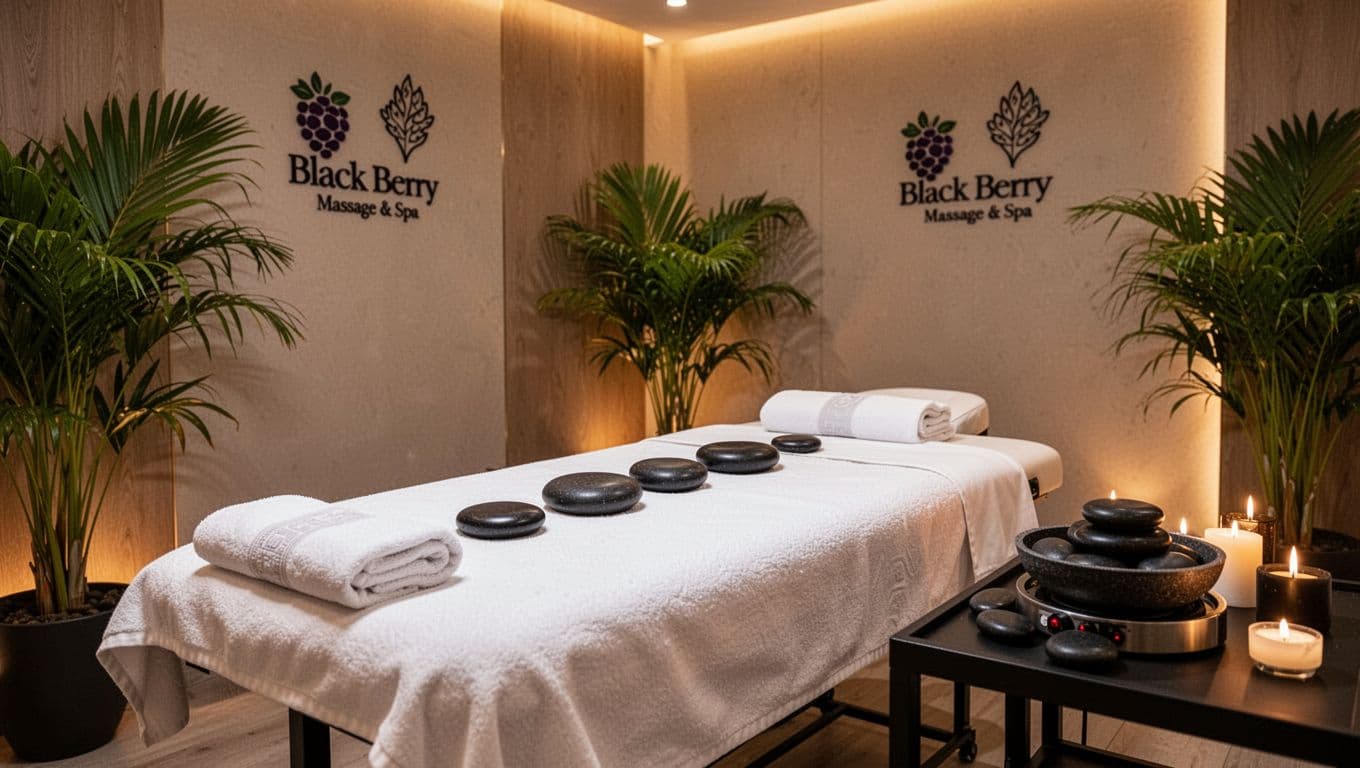
Black Berry Massage & Spa has a strong advantage here because its brand and service focus center on privacy, comfort, and relaxation. That fits perfectly with what hot stone clients want. After all, this is not the kind of treatment that should happen in a noisy, clinical, or impersonal setting. It should feel warm in every sense of the word.
The spa’s location in Kilimani, at Jade Residency on Kindaruma Road, also adds convenience. If you’re in Nairobi and want a quality wellness break without a long, stressful trip across town, that easy access helps.
A treatment menu that shows real massage depth
One thing that makes Black Berry Massage & Spa stand out is that it is not built around a single service. It offers a wider range of massage options, including Swedish, deep tissue, aromatherapy, Thai, and hot stone treatments. That breadth matters more than it may seem at first.
Why? Because a spa with several well-matched massage styles usually has a better feel for client needs. Some guests want deep pressure. Others want warmth, stress relief, and a slower session. A spa that works across these preferences is more likely to tailor the treatment instead of forcing the same approach on everyone.
For a Hot Stone Massage lover, that is good news. It suggests the team understands how to blend relaxation with muscle work, rather than treating hot stones as a gimmick.
Professional care makes the warmth feel safer and better
Hot stones can feel amazing, but only when they are handled with care. The best spas do not treat heat like a shortcut. They use it with skill, check comfort levels, and create a pace that lets the body relax fully.
Black Berry Massage & Spa positions itself around professional service and client comfort, and that is exactly what hot stone clients should look for. A strong session is not just about placing stones on the back. It is about reading the client’s body, keeping the heat comfortable, and knowing when to use gentler touch or more focused work.
In other words, the treatment should feel smooth, not mechanical. It should feel attentive, not routine.
It feels like a place built for return visits
The best spa in Nairobi is not just the one that looks good online. It is the one that makes you think, “I’d come back here.” Black Berry Massage & Spa has that appeal because it combines several things people want in one place:
- A calm, private atmosphere
- Positive client feedback
- A strong focus on relaxation
- Multiple massage options
- Easy booking and clear business details
That mix gives people confidence. If you are booking a Hot Stone Massage, you want more than heat and oil. You want a spa that feels dependable, welcoming, and worth your time.
For readers of this article, the bottom line is simple. If you want a hot stone experience in Nairobi that feels caring, restful, and professionally done, Black Berry Massage & Spa makes a strong case for being the best choice.
Conclusion
Hot Stone Massage stays popular for a simple reason, it brings together warmth, skilled touch, and deep relaxation in a way many people find instantly comforting. That mix can help tight muscles soften, quiet a busy mind, and turn an ordinary massage into a more soothing, full-body reset. It’s also easy to see why it remains one of the most requested massage styles worldwide, because for many people, the steady heat makes relaxation feel faster and more complete.
At the same time, the best Hot Stone Massage experience depends on good choices. Pick a trained professional, speak up if the stones feel too warm or the pressure feels off, and be honest about any health concerns that may make heat a poor fit. That kind of clear communication protects your comfort and helps the treatment do what it’s meant to do, which is bring relief without stress or guesswork.
If you enjoy warmth, carry tension in your back or shoulders, or simply want a calmer kind of massage, Hot Stone Massage is well worth trying. Start with a provider you trust, go in with clear expectations, and let your first session show you whether this style is the right kind of comfort for your body.