
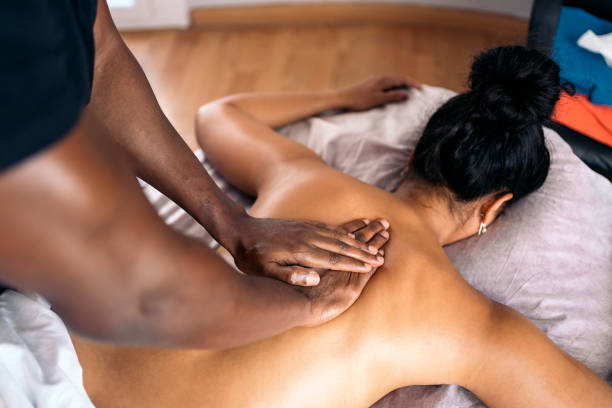
Aromatherapy Massage in Kilimani, What to Expect and Benefits
Kilimani can wear you out fast. Between Nairobi traffic, long workdays, late emails, and too much screen time, it’s easy to feel tense in both body and mind. When stress starts to sit in your shoulders, back, and mood, Aromatherapy Massage offers a calmer, gentler way to reset.
In simple terms, Aromatherapy Massage blends soft to medium-pressure massage with plant-based essential oils. As the therapist works on tight areas, you also breathe in the scent of the oils, which can help you feel calmer, lighter, and more settled. That mix is why many people choose it when they want more than basic muscle relief.
Right now, this type of massage is especially popular in Nairobi for stress relief, better sleep, a lifted mood, and easing everyday aches. Oils such as lavender are often used for calm, while peppermint or eucalyptus may help when your body feels heavy, sore, or tired. The goal isn’t to knock you out with deep pressure, but to help your nervous system slow down while your muscles let go.
Most sessions start with a short chat about how you’re feeling and what you want from the treatment. From there, the massage usually feels smooth, warm, and soothing, with long strokes and a quiet pace that helps you switch off. Some people leave feeling refreshed, while others feel deeply sleepy and relaxed.
In the rest of this guide, you’ll learn what an Aromatherapy Massage feels like, how it works, who it helps most, and how to choose the right session in Kilimani. If you’re looking for a treatment that supports both physical tension and mental fatigue, this is often a very good place to start.
What Aromatherapy Massage really is, and how it helps your body and mind
At its core, Aromatherapy Massage is a simple idea with a layered effect. You get the physical comfort of massage, and at the same time, you take in the scent of carefully chosen essential oils. That mix can feel a bit like turning down the volume in your body while also quieting the mental noise.
For many first-time clients in Kilimani, that’s what makes this treatment so appealing. It isn’t only about sore shoulders or a tired back. It’s also about feeling more settled, more rested, and more at ease in your own skin.
How essential oils and massage work together
Aromatherapy Massage works through two parts at once, touch and scent. First, the massage itself helps your body slow down. Long, smooth strokes can ease mild tension, warm the muscles, and help you relax. Then the aroma of the oils adds another layer, because you breathe it in throughout the session.
Essential oils are not usually applied straight to the skin. Instead, the therapist blends a small amount into a carrier oil such as almond oil or jojoba oil. This makes the oil safer and more comfortable to use, while also helping the therapist glide smoothly over the skin.
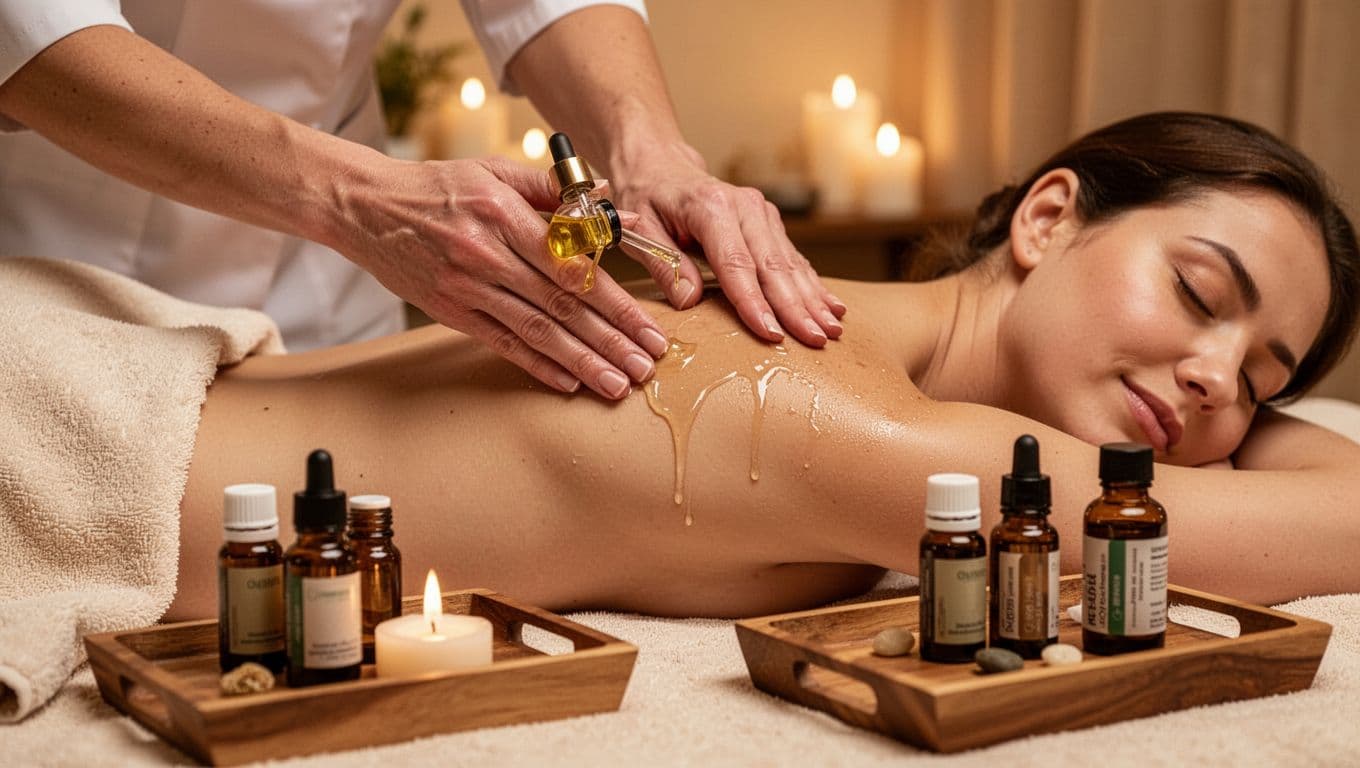
As the massage goes on, you experience the oils in two common ways:
- Through scent: You inhale the aroma as you breathe normally.
- Through the skin: Small amounts of the diluted oil are absorbed during the massage.
The scent side is often what people notice first. Smell has a close link to the brain’s emotional center, which helps explain why certain aromas can feel comforting, grounding, or refreshing so quickly. Lavender, for example, is often chosen when someone wants a calm, bedtime kind of feeling. Citrus oils may feel lighter and brighter. Peppermint or eucalyptus can feel fresh and clear.
The touch side matters just as much. Massage helps your body shift out of that braced, tight mode many people carry all day. In other words, the hands do part of the work, and the aroma helps shape the mood of the session. Put together, it can feel less like a standard rubdown and more like a full-body exhale.
The main idea is simple: your body responds to the massage, while your mind responds to the scent.
What makes Aromatherapy Massage different from a regular relaxation massage
If you’re choosing a service in Kilimani, it helps to know where Aromatherapy Massage fits. A regular Swedish massage usually focuses on gentle to medium pressure, flowing strokes, and full-body relaxation. Aromatherapy Massage often uses a similar pressure and pace, but the added essential oils change the experience. The goal is not just to relax the muscles, but also to support a calmer mental state.
Deep tissue massage is different again. It uses slower, firmer pressure and targets deeper layers of muscle. People often book it for stubborn knots, heavy tension, or specific problem areas. It can be very helpful, but it doesn’t feel as soft or soothing as aromatherapy.
Here is the easiest way to compare them:
| Massage type | Main goal | Pressure | Oils used | Best for |
|---|---|---|---|---|
| Aromatherapy Massage | Relaxation plus mood support | Soft to medium | Diluted essential oils in carrier oil | Stress, poor sleep, feeling mentally drained |
| Swedish massage | General relaxation and light tension relief | Gentle to medium | Regular massage oil or lotion | First-time massage clients, overall body relaxation |
| Deep tissue massage | Targeted muscle work | Medium to firm | Usually neutral oil or lotion | Chronic tightness, deeper knots, post-workout soreness |
So, which one should you choose? If you want a treatment that feels calm, sensory, and restorative, Aromatherapy Massage is often the better fit. If you mainly want classic relaxation without a scent focus, Swedish may suit you. If your body feels locked up and you want stronger pressure, deep tissue may be the better option. If you’re also comparing budget and session types, this guide to understanding massage therapy prices can help you choose with more confidence.
Common benefits people look for before booking a session
Most people book an Aromatherapy Massage because they want to feel less stressed and more balanced. That is usually the first reason. Daily pressure has a way of settling into both mind and body, so a treatment that addresses both can feel especially useful.
Common reasons people choose it include:
- Stress relief: A slower pace, soothing touch, and calming scents can help you unwind.
- Better sleep: Many people book when they feel restless or mentally switched on at night.
- Mood support: Pleasant aromas can help create a lighter, more settled state of mind.
- Mild muscle tension relief: It can ease everyday tightness in the neck, shoulders, and back.
- A sense of calm: Sometimes the biggest benefit is simply feeling quiet inside again.
Research supports aromatherapy massage for general relaxation and reduced anxiety in many people. At the same time, results vary. One person may feel sleepy and deeply calm, while another simply feels lighter and less tense. That’s normal.
So if you want one treatment that feels gentle, comforting, and practical, Aromatherapy Massage often makes a lot of sense. It doesn’t need to be intense to feel effective. Sometimes a softer approach is exactly what your body and mind have been asking for.
What happens during an Aromatherapy Massage session, from arrival to aftercare
If you’re booking your first Aromatherapy Massage, it’s normal to feel a little unsure about what happens once you walk in. The good news is that the process is usually simple, calm, and easy to follow. From the first few minutes to the last, the whole session is meant to help you feel safe, comfortable, and able to switch off.
Most spas in Kilimani keep the flow gentle and unrushed. You arrive, have a short chat, settle into the room, enjoy the massage, and then ease back into your day with a few basic aftercare steps. Knowing that ahead of time often helps you relax before the treatment even begins.
The short consultation that helps shape your treatment
Before the massage starts, your therapist will usually ask a few quick questions. This isn’t just polite small talk. It’s how they make the session fit your body, your comfort level, and your goals.
You may be asked about stress levels, sore areas, headaches, sleep, or where you hold tension most. For many people, that’s the neck, shoulders, lower back, or legs. If something feels especially tender, this is the time to say so.
The therapist may also ask about:
- Scent preferences, such as whether you like floral, fresh, herbal, or mild aromas
- Allergies or skin sensitivity, because essential oils must be chosen with care
- Pregnancy, since some oils are not suitable during pregnancy
- Medical concerns, including asthma, migraines, eczema, or recent injuries
- Pressure preference, so the massage feels soothing, not too light or too intense
This short check-in matters because Aromatherapy Massage is not one-size-fits-all. The right oil and the right pressure can make the experience feel like a deep exhale. The wrong choice can feel distracting or uncomfortable. In other words, those first few minutes help the therapist avoid guesswork and give you a treatment that feels more personal from the start.
A good consultation doesn’t make the session longer, it makes it better.
How the room, oils, and massage flow are set up for comfort
Once the consultation is done, you’ll be shown into a private treatment room. Most people notice the atmosphere right away. The lights are usually soft, the bed is neatly prepared, and the room feels warmer and quieter than the outside world. That shift matters because your body relaxes faster when the space feels calm.
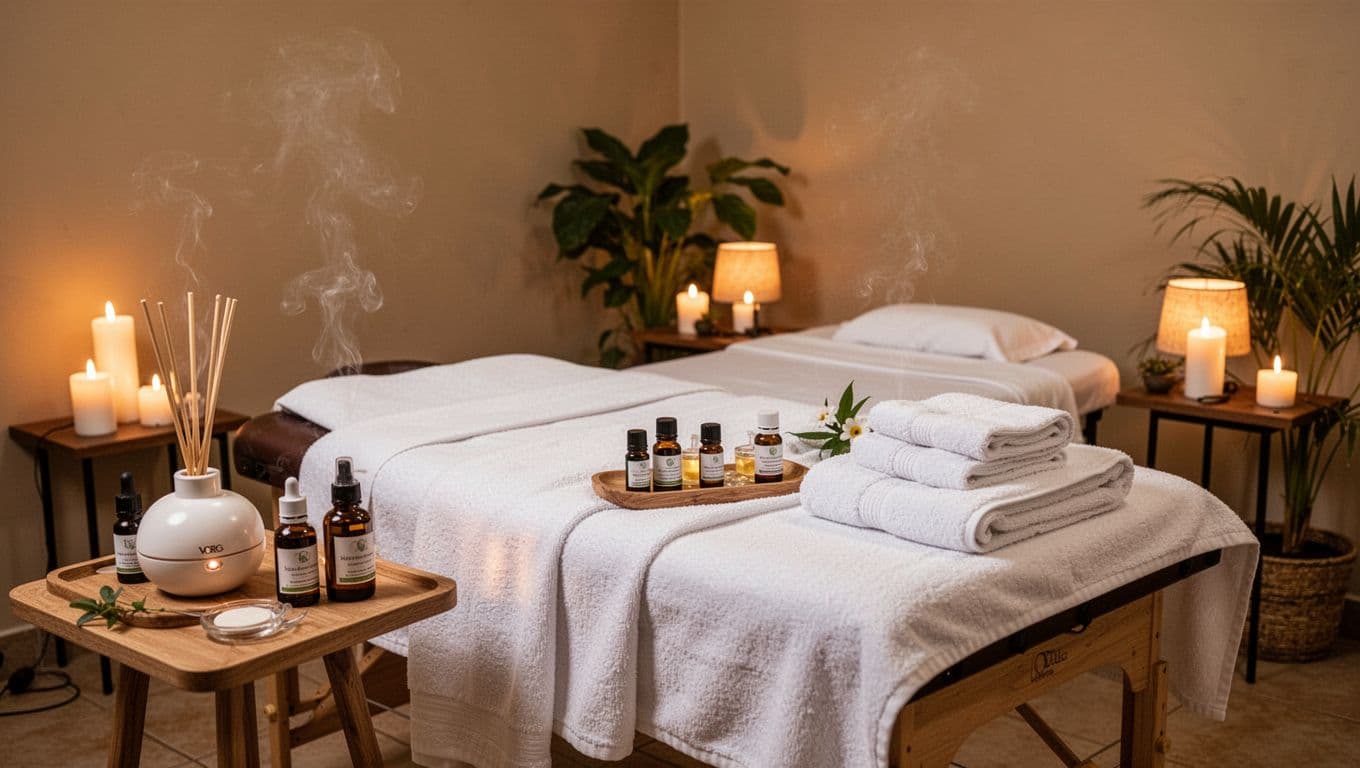
You’ll usually be given privacy to get onto the table and cover yourself with linens or towels. Only the area being worked on is uncovered at a given time, so the treatment stays professional and comfortable. Calm music may play in the background, and the room is often kept warm so you don’t tense up.
The oils are a big part of the setup. Essential oils are normally blended into a carrier oil before they touch your skin. That keeps them safe and smooth to apply. Depending on how you want to feel, the therapist may choose a calming oil like lavender, a clearer scent like eucalyptus, or a brighter one like bergamot or sweet orange.
The massage itself is also planned for comfort. Some therapists start with the back to help you settle quickly. Others begin with the legs or shoulders. Either way, the flow is usually slow and steady, not rushed. Think of it like easing into warm water rather than jumping into a cold pool.
What the massage feels like during the session
During an Aromatherapy Massage, the touch is usually gentle to medium in pressure. It should feel smooth, warm, and steady. You may notice long gliding strokes first, which help spread the oil and relax the surface muscles. After that, the therapist may add kneading or small circular motions on tighter spots.
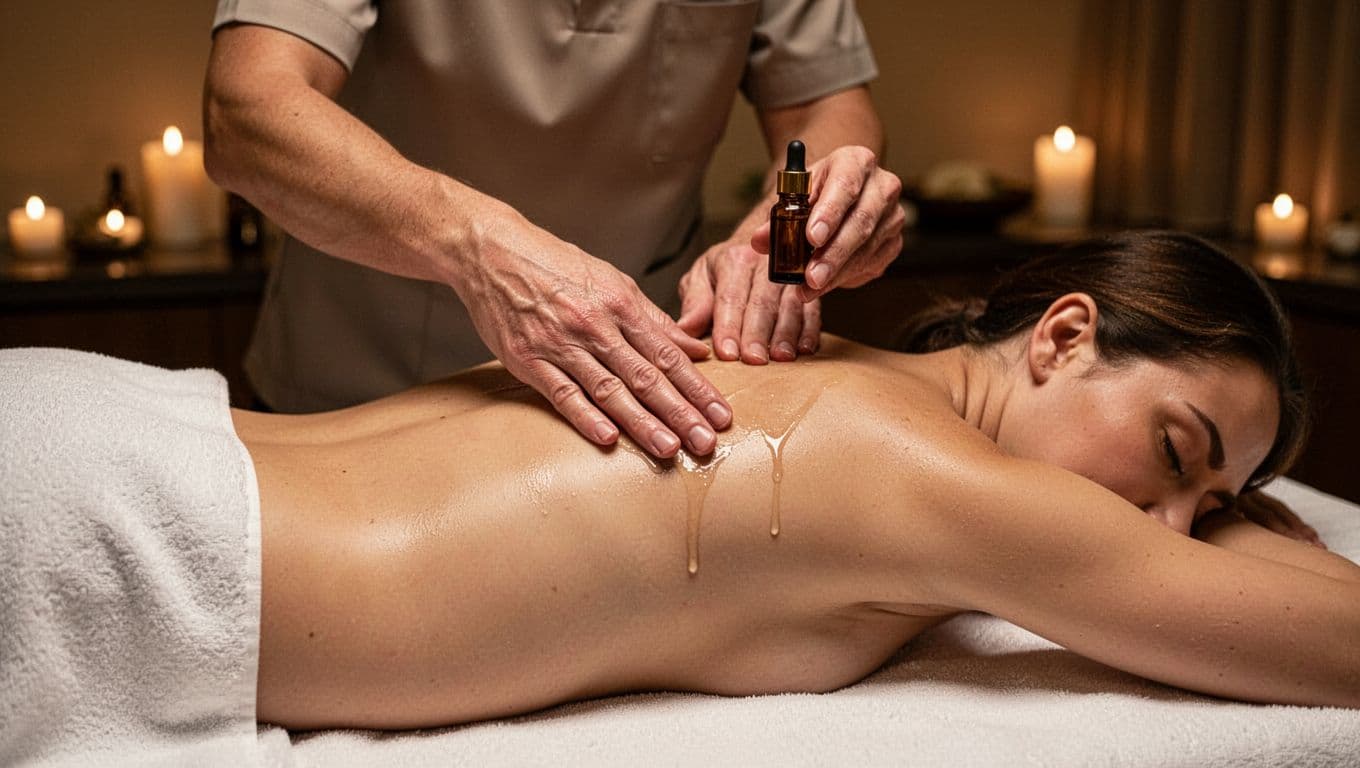
Most sessions are designed to calm the nervous system, so the pace tends to stay slow. You shouldn’t feel the sharp intensity of deep tissue work unless you asked for more pressure in a certain area. Instead, the goal is to help tension soften without making your body fight back.
Depending on the spa and the session length, your treatment may be:
- Targeted, with more focus on the back, neck, and shoulders if that’s where stress sits most
- Full-body, which may include the back, legs, arms, shoulders, and sometimes scalp or feet in a longer session
As the massage continues, the scent of the oils becomes part of the experience. You feel the therapist’s hands working through tightness while the aroma helps quiet the mental noise. That’s why many people say Aromatherapy Massage feels different from a basic relaxation massage. It doesn’t just loosen muscles, it changes the whole mood of the hour.
If anything feels too strong, too light, too cold, or too fragrant, speak up. A good therapist expects that and will adjust.
What to do after your session to make the calm last longer
When the session ends, don’t rush up too fast. Give yourself a moment. Many people feel light, sleepy, or deeply still, almost like waking from a nap. That’s normal.
The best aftercare is simple. Drink some water, move slowly, and give your body time to settle. While massage doesn’t “flush toxins” in the dramatic way people sometimes claim, hydration can still help you feel more comfortable afterward, especially if you feel a bit warm or sleepy.
A few easy habits can help the calm last longer:
- Drink water over the next few hours
- Rest if you can, especially if you feel sleepy or deeply relaxed
- Avoid harsh sun exposure if citrus oils were used, because some can make skin more sun-sensitive
- Notice how your body feels later that day, including mood, energy, and any tender spots
It also helps to keep the rest of your day gentle. If possible, skip anything too frantic right after your appointment. A quiet evening, a light meal, or an early night can help you hold onto that relaxed feeling longer.
If you felt especially good with a certain scent or pressure level, remember it for next time. That way, each Aromatherapy Massage can feel even more tuned to what your body needs.
Choosing the right essential oils for your goals
One of the best parts of an Aromatherapy Massage is that the scent can be matched to how you want to feel. Some oils are chosen for calm and emotional ease, while others are picked because they feel cooling, fresh, or comforting on a tense body. In a spa setting, the goal is not to build a complicated oil routine. It is to help you leave feeling better than when you walked in.
That is why your therapist may ask a few simple questions before the session starts. Are you stressed, mentally tired, sore, heavy, or sensitive to strong smells? Those answers help shape the blend, and they often make the massage feel much more personal.
Best essential oils for stress, anxiety, and emotional calm
If your main goal is to switch off and settle down, a few oils are especially popular during an Aromatherapy Massage. Each one brings a slightly different mood, so the right choice depends on what calm feels like to you.
- Lavender: Often chosen when you want a soft, steady sense of calm. It is a go-to option for stress, restlessness, and that wired-but-tired feeling after a long day.
- Chamomile: Known for its gentle, comforting character. It suits people who want a quieter, more soothing session that feels almost like a deep exhale.
- Bergamot: Brighter and lighter than floral oils, with a fresh citrus feel. Many people like it when stress comes with mental fatigue or a low mood.
- Sandalwood: Warm, smooth, and grounding. It is often selected when you want to feel emotionally settled, centered, and less scattered.
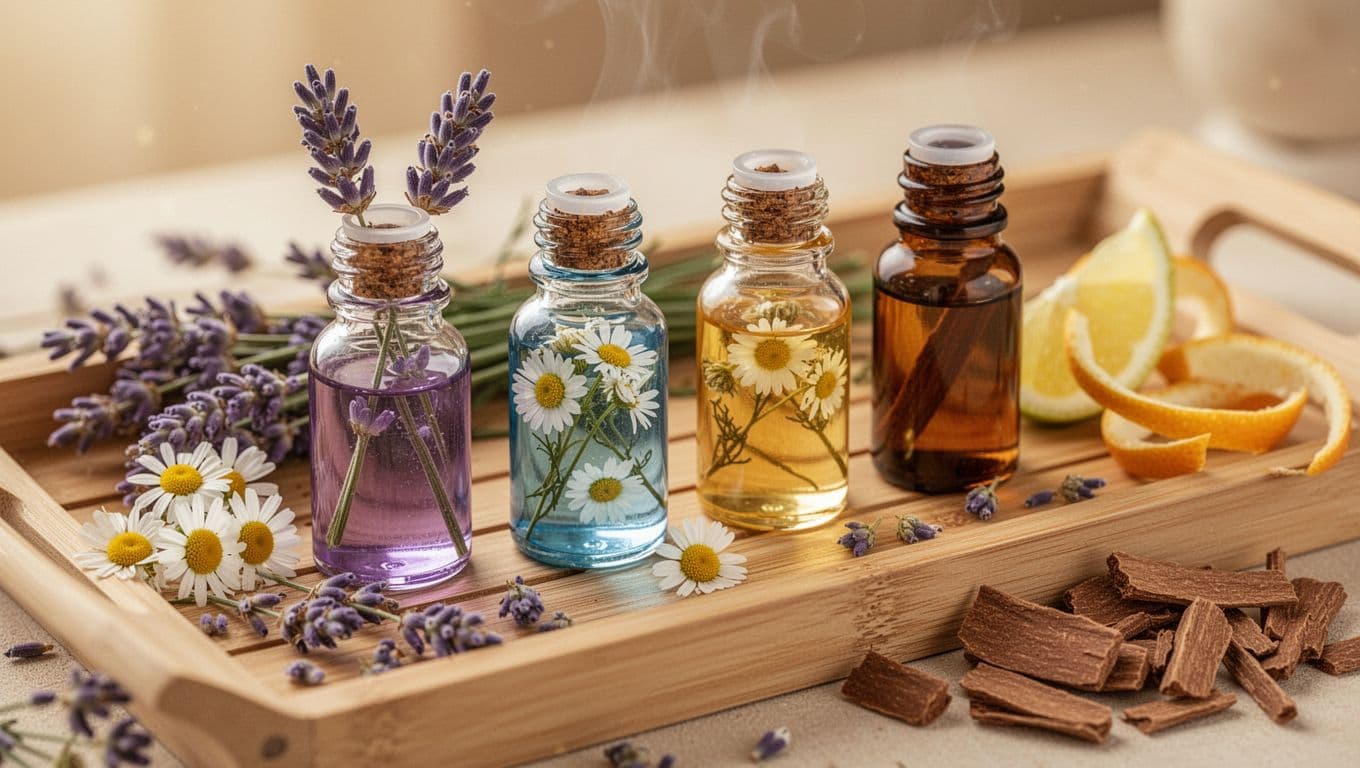
Still, scent preference matters more than many people expect. One person melts into lavender, while another relaxes more with bergamot or sandalwood. In other words, your body may like the massage, but your mind also needs to like the aroma.
If you already know the scents you enjoy, say so. That helps your therapist choose a blend that feels natural, not distracting. If you are still figuring that out, a therapist can guide you toward softer options that are commonly used for relaxation.
Best essential oils for sore muscles, headaches, and physical tension
When your body feels tight, heavy, or overworked, therapists often choose oils with a fresh, cooling character. These scents do not replace massage technique, but they can shape how the session feels and add to the overall sense of relief.
Peppermint is a common choice for physical tension because it feels cool and refreshing. Many people like it for a tired neck, heavy shoulders, or that dull, built-up tension that comes after long hours at a desk.
Eucalyptus is also widely used when the goal is to feel clear, fresh, and less weighed down. It has a clean scent that pairs well with massage when your body feels stiff or your head feels crowded after a long day.
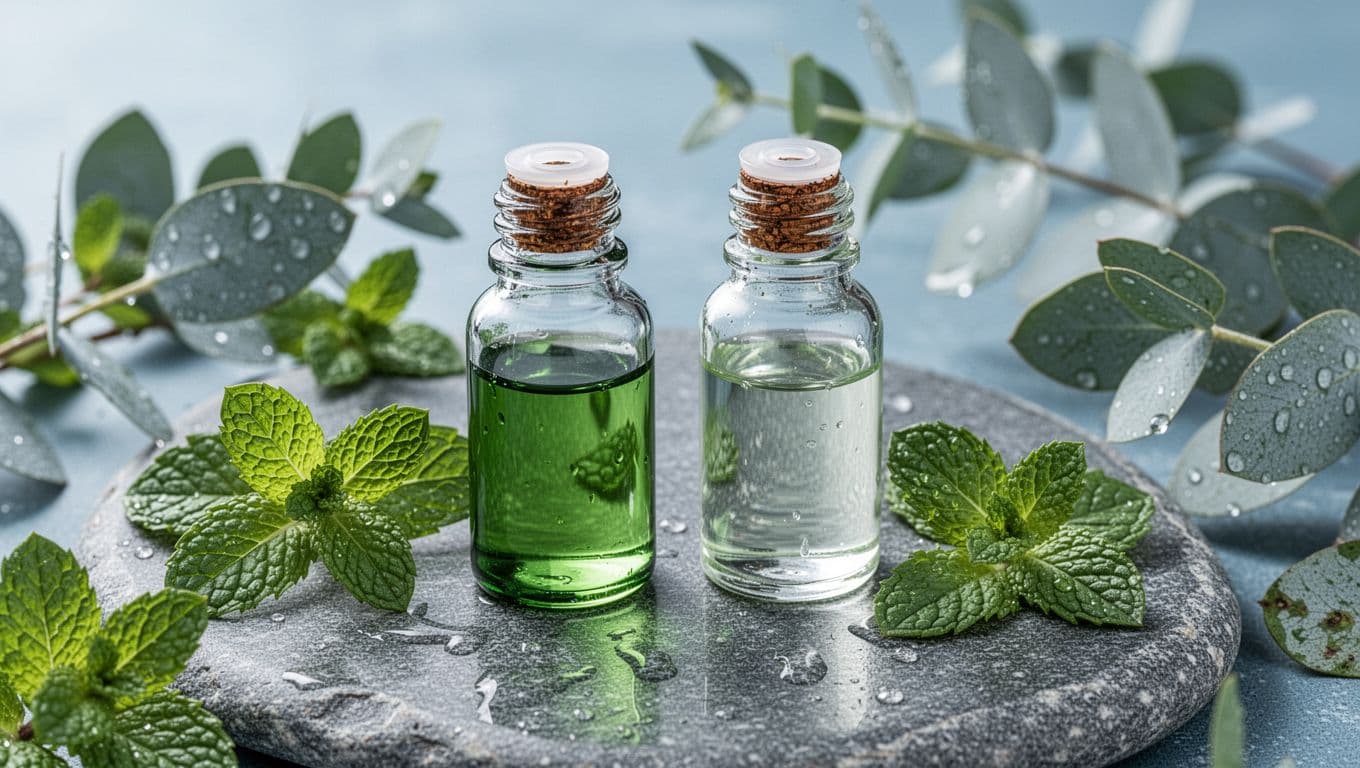
The key here is to keep expectations balanced. These oils are often chosen because they feel cooling, clean, and tension-friendly, not because they are a medical fix. During an Aromatherapy Massage, they work best as part of the full experience, with touch, warmth, and slow pressure doing most of the heavy lifting.
If you tend to hold stress in your upper back, scalp, or shoulders, mention that during your consultation. Your therapist may suggest a fresher blend, or point you toward massage oils infused with essential oils if you want to learn more about how these products are typically used.
How therapists blend oils safely for a more personal experience
Essential oils are powerful, which is why trained therapists do not pour them straight onto the skin. Instead, they mix a small amount into a carrier oil, such as almond or jojoba oil. This makes the blend safer, gentler, and more comfortable during massage.
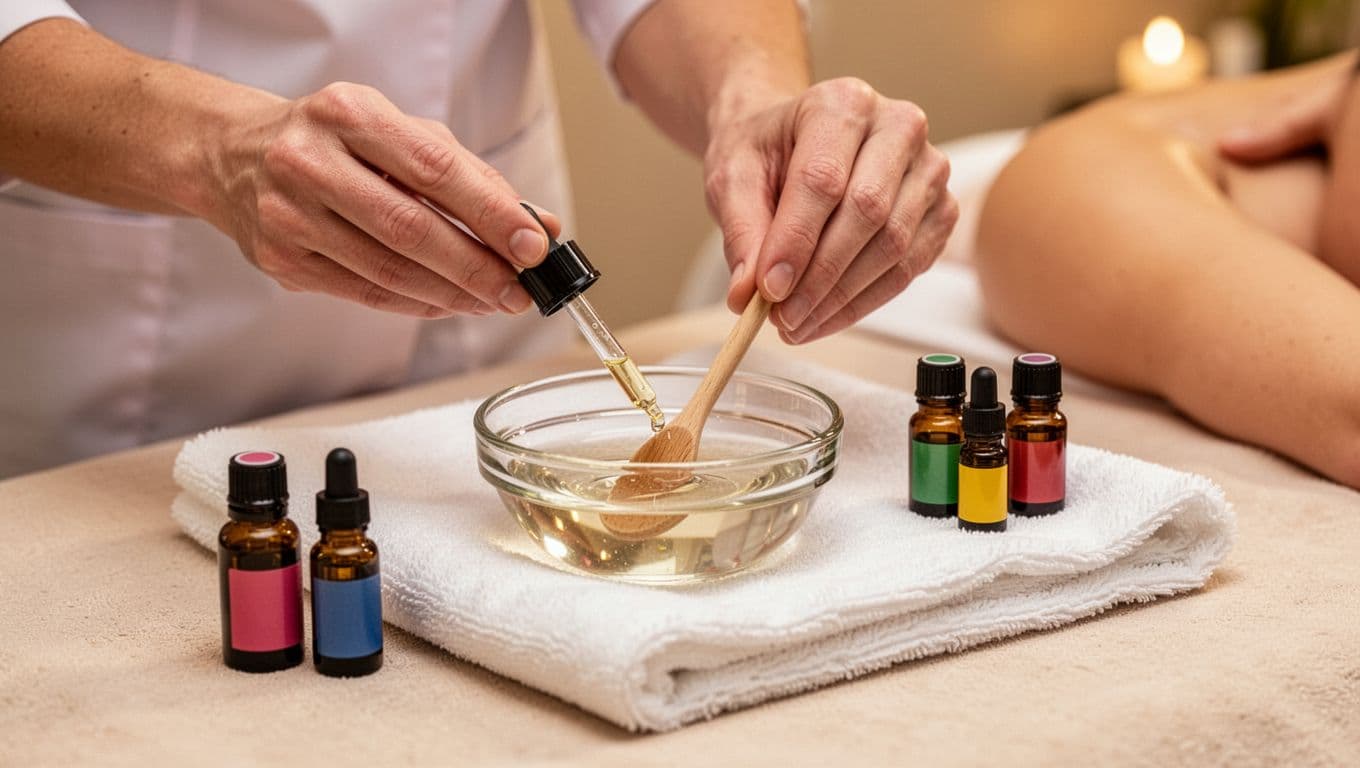
More is not always better. In fact, a blend that is too strong can feel overwhelming, irritate the skin, or make it harder to relax. A good therapist aims for balance. You should notice the scent, but it should not feel like it is taking over the room.
Custom blends are usually chosen around three things:
- Your goal, such as calm, lighter mood, or relief from everyday tension
- Your comfort, including whether you like floral, citrus, woody, or fresh scents
- Your sensitivity, especially if you have reactive skin, migraines, asthma triggers, or dislike strong fragrance
If needed, a therapist may do a small patch test or use a simpler blend first. That extra care matters, especially if you have never had an Aromatherapy Massage before. It can also help to mention pregnancy, allergies, or skin issues before the session begins, since some oils call for more caution than others.
How to talk about scent preferences if you are sensitive to strong smells
A lot of people want the benefits of an Aromatherapy Massage but worry the scent will be too much. That concern is common, and it should not stop you from booking. You can speak up before the treatment starts, and a good spa will treat that as normal, not difficult.
You can ask for:
- Lighter scents if you prefer something subtle
- Fewer oils if you do not want a complex blend
- One simple oil instead of several layered scents
- Unscented alternatives if the spa offers them
Sometimes the best session is the quietest one. A very mild blend can still feel relaxing, especially when the massage itself is doing most of the work. If strong fragrance tends to trigger headaches or make you uneasy, say that clearly. Your therapist can often adjust the plan without taking away the comfort of the treatment.
You do not need to tolerate a scent just because it is called “relaxing.” The right aroma is the one that helps you relax.
If you are booking at a spa for the first time, it may help to ask about options in advance. That kind of flexibility is part of a more comfortable, client-first experience, and it is one reason many people look for aromatherapy massage with natural products when choosing a treatment.
Who should try Aromatherapy Massage, and when it may not be the best fit
Not every massage suits every body, and that’s a good thing. Aromatherapy Massage works best when your main goal is to relax, slow down, and feel less weighed down by daily stress. It can be a great match for some people, while others may get better results from a firmer, more targeted treatment.
The key is simple, match the massage to what your body is asking for. If you want calm, lighter tension relief, and a gentler spa experience, aromatherapy often makes sense. If you want stronger work on deep muscle tightness, another style may fit better.
When Aromatherapy Massage is a great choice
Aromatherapy Massage is often a strong fit for people who feel mentally tired more than physically injured. Think of the kind of tension that builds from traffic, deadlines, long hours at a desk, and poor sleep. Your shoulders feel tight, your mind feels noisy, and your body never quite powers down.
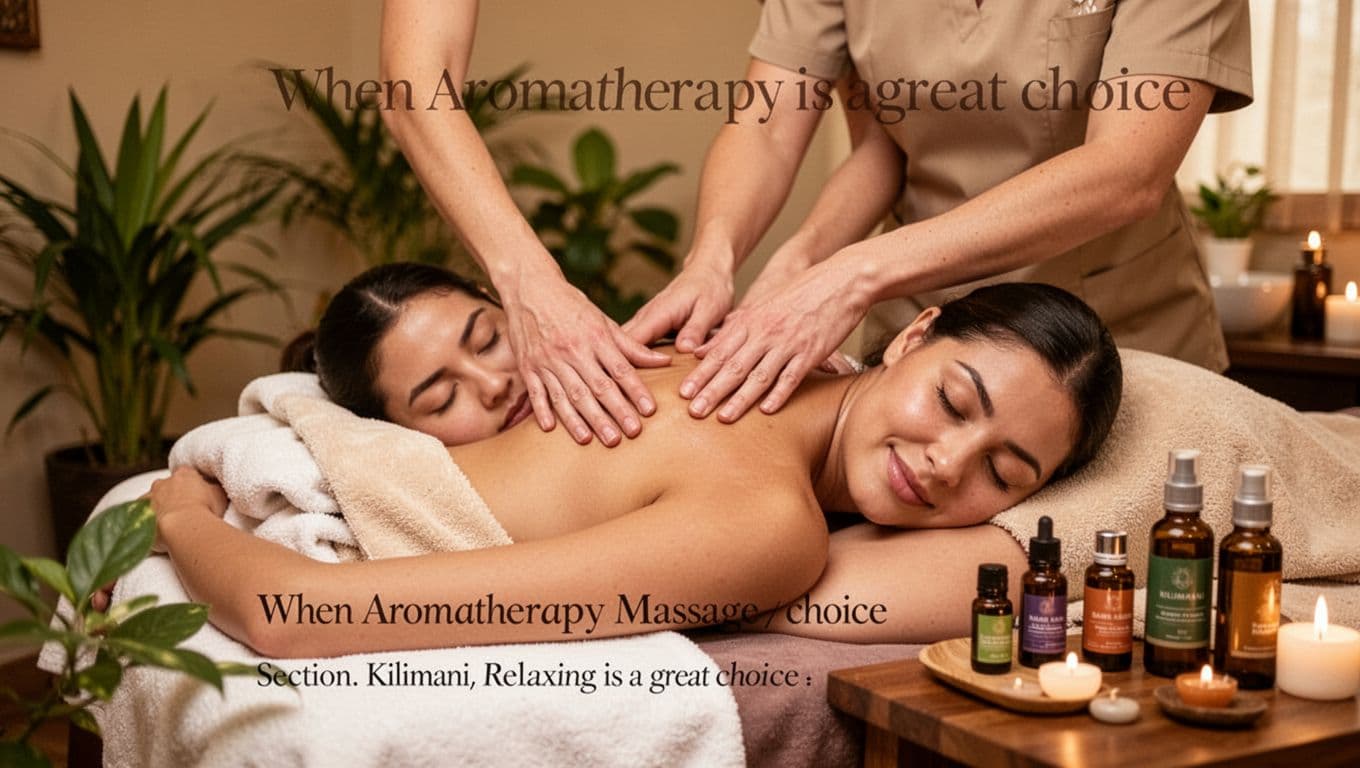
This treatment usually works well if you relate to any of these:
- Work stress: You feel switched on all day and struggle to relax after work.
- Poor sleep: Your body feels tired, but your mind keeps running.
- Mental fatigue: You feel drained, foggy, or emotionally flat.
- Mild body tension: Your neck, shoulders, or back feel tight, but not deeply knotted.
- A preference for gentle care: You want soothing pressure, not an intense session.
For many first-time spa clients, that’s exactly why Aromatherapy Massage feels approachable. It doesn’t ask your body to brace against hard pressure. Instead, it helps you soften. It’s a bit like loosening a clenched fist rather than forcing it open.
This style can also suit people who simply don’t enjoy heavy massage. Some clients want the comfort of touch, the calming effect of scent, and a session that feels nurturing from start to finish. In that case, a gentler treatment may do more for you than a tougher one.
If your main goal is to feel calmer, sleepier, and less mentally overloaded, Aromatherapy Massage is often a smart choice.
When another massage style may suit you better
Aromatherapy Massage can ease everyday tension, but it isn’t the best tool for every problem. If your muscles feel deeply stuck, overworked, or packed with stubborn knots, you may want a treatment with more pressure and a more targeted approach.
This is often true for people with:
- Deep knots in the shoulders, upper back, or lower back
- Sports tightness from training, gym sessions, or repetitive movement
- Chronic muscle tension that keeps coming back in the same areas
- Old tight patterns that need slow, firm work to release
In those cases, a deep tissue massage, sports massage, or another stronger option may be more useful. That doesn’t mean Aromatherapy Massage won’t feel good. It probably will. However, feeling good and solving the main issue are not always the same thing.
A simple way to think about it is this: aromatherapy is often better for a body that feels worn down, while stronger massage is often better for a body that feels locked up. One calms the system. The other works more directly on dense muscle tension.
Still, the choice doesn’t have to be all or nothing. Some people rotate between massage styles depending on the week. After a stressful stretch at work, they book aromatherapy. After heavy workouts or long-term back tightness, they choose something firmer. A good therapist can also guide you based on where your tension sits and how intense it feels.
Important safety tips, allergies, and health conditions to mention first
Because Aromatherapy Massage uses essential oils, your therapist needs more than just your pressure preference. They also need to know about your health, your skin, and any reactions you’ve had to scents or oils before. That short conversation matters.
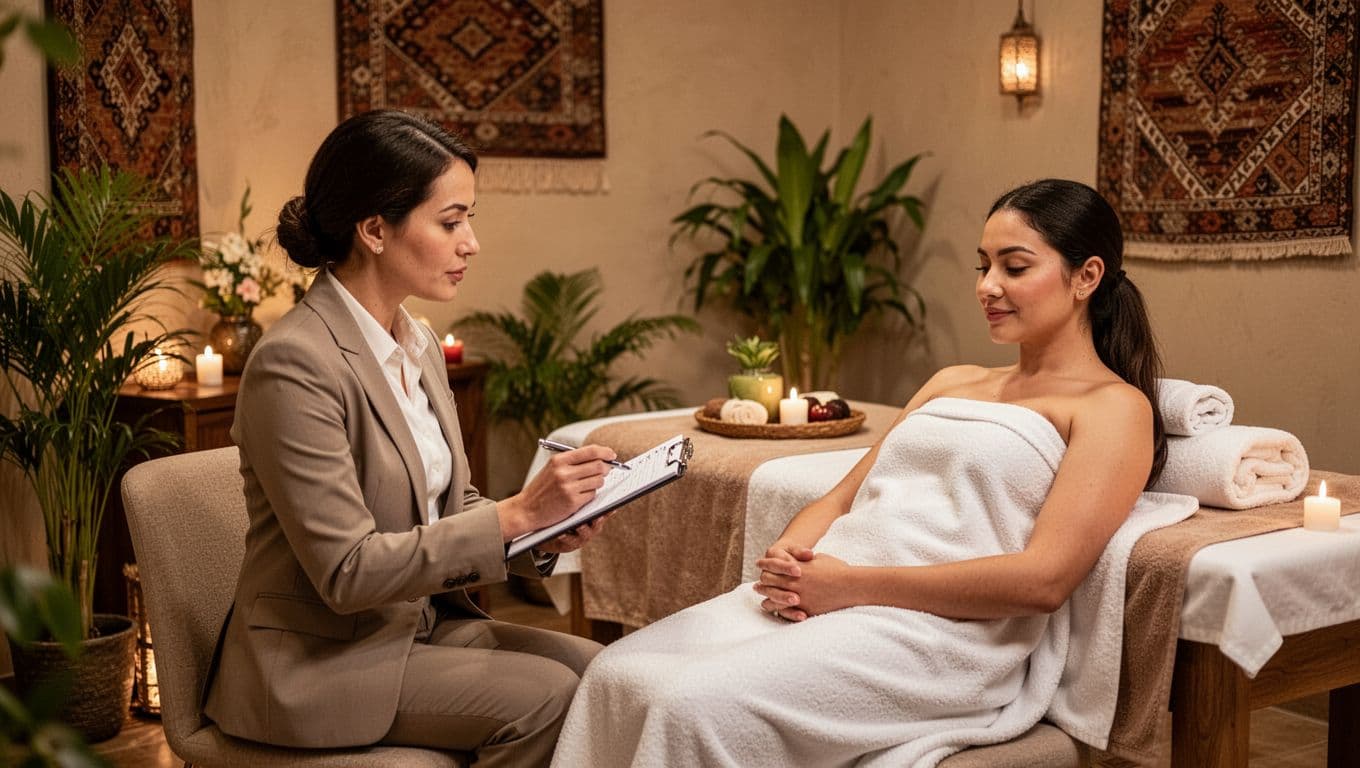
Before your session, always mention if you have any of the following:
- Pregnancy: Some essential oils are not suitable, and lower dilutions are usually needed.
- Asthma or scent sensitivity: Strong aromas can trigger coughing, headaches, or breathing discomfort.
- Epilepsy: Certain oils may not be appropriate without medical guidance.
- High blood pressure: Some conditions call for extra caution before treatment.
- Known oil allergies: Even natural oils can irritate the skin or trigger a reaction.
- Open wounds or skin conditions: Massage oils should not go over broken, inflamed, or irritated skin.
- Fever or active illness: Massage is usually not the right choice when you’re unwell.
A careful therapist should also ask about eczema, rashes, recent skin flare-ups, or past reactions to fragrance. In many cases, they may use a very mild dilution, avoid certain oils, or suggest postponing the session. That’s not being overly cautious. That’s good practice.
Current safety guidance also supports proper dilution, patch testing when needed, and good ventilation, especially for people with sensitivities. If you’re pregnant, have epilepsy, uncontrolled high blood pressure, asthma, or a known allergy, it’s wise to speak with your doctor first. When in doubt, a quick medical check is better than guessing.
If anything feels off during the massage, say so right away. A headache, dizziness, nausea, skin irritation, or trouble breathing should never be pushed through. The best Aromatherapy Massage is not just relaxing, it’s also safe, personalized, and comfortable from beginning to end.
How to choose a great Aromatherapy Massage spa in Kilimani
If you’re ready to book an Aromatherapy Massage in Kilimani, don’t choose on price alone. A good spa should make you feel calm before the massage even starts. The right place combines skilled hands, clean spaces, clear communication, and an atmosphere that helps your body let go.
In a busy area like Kilimani, convenience matters, but so does trust. You want a spa that feels professional from the first call to the final minute on the table. That usually shows up in small details, and those details tell you a lot.
Signs of a professional spa experience you should look for
A great spa doesn’t feel confusing or rushed. From the moment you arrive, things should feel organized, warm, and easy to follow. If the team seems attentive and calm, that’s often a strong first sign.
Start with the therapist. For an Aromatherapy Massage, you want someone trained, not someone guessing with oils and pressure. A professional therapist should ask about your stress level, tense areas, scent preferences, allergies, and any health concerns before they begin. That short consultation is not a formality, it’s part of the treatment.
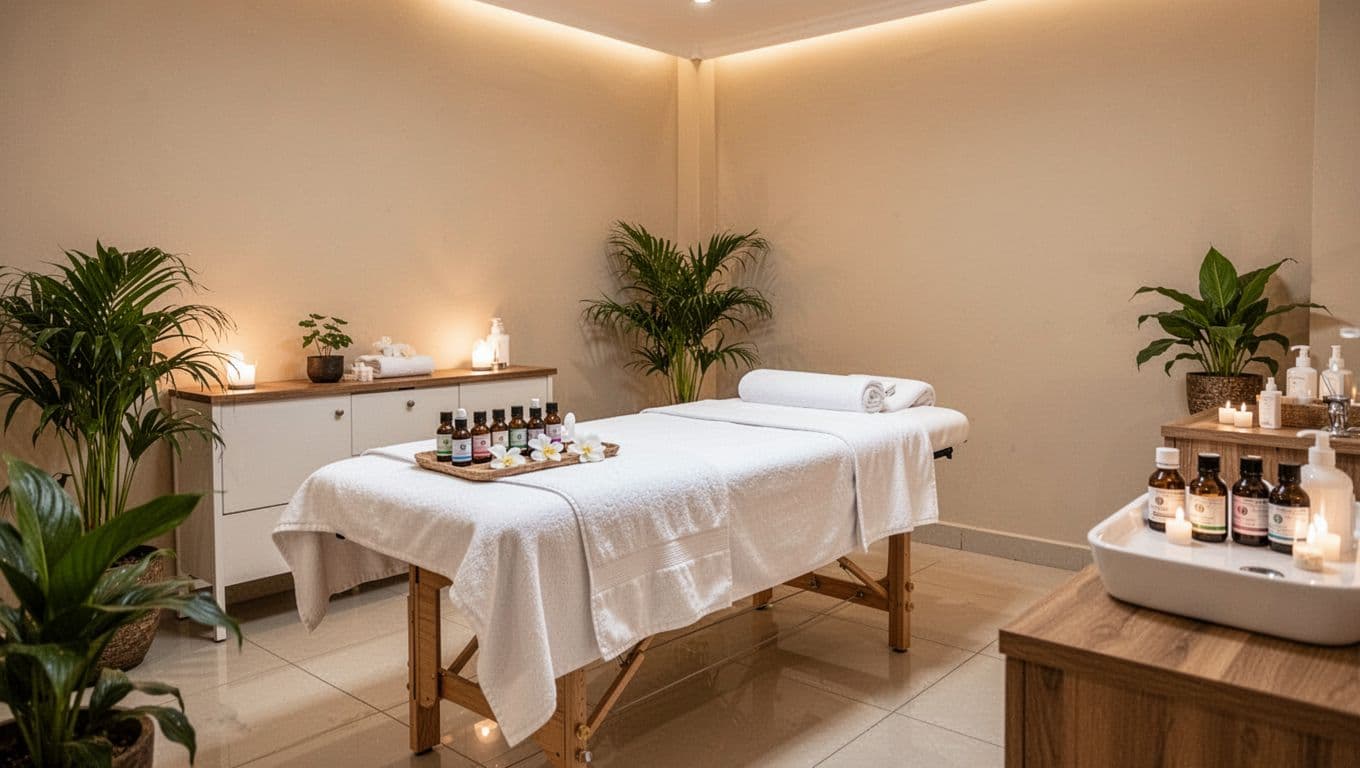
The room also tells a story. Look for clean floors, fresh linens, tidy surfaces, and a well-prepared massage bed. If towels look worn, the room smells stale, or oil bottles seem messy, take that as a warning sign. A quality spa keeps hygiene standards visible, not hidden.
Oil use matters too. Essential oils should be used with care and mixed properly into a carrier oil. In other words, the scent should feel pleasant and balanced, not sharp or overpowering. Good spas don’t drown the room in fragrance just because it sounds luxurious.
Privacy is another big part of a professional experience. You should have space to change, proper draping during the massage, and a room that feels quiet and secure. Relaxation is hard when you feel exposed or distracted.
Finally, notice how easy it is to speak up. A good therapist welcomes simple feedback like:
- “Please go lighter on my shoulders.”
- “That oil feels a bit strong for me.”
- “Can we focus more on my upper back?”
The best spa experiences feel personal, clean, and easy to trust.
Questions to ask before you book your session
A quick call or message can save you from a poor experience. You don’t need a long interview, but you do need clear answers. If the spa avoids basic questions, that’s a red flag.
Start with the practical side. Ask how long the Aromatherapy Massage session lasts, what the pricing includes, and how booking works. You should know whether you’re paying for a full 60 or 90 minutes of treatment, or whether time is reduced by consultation and changing.
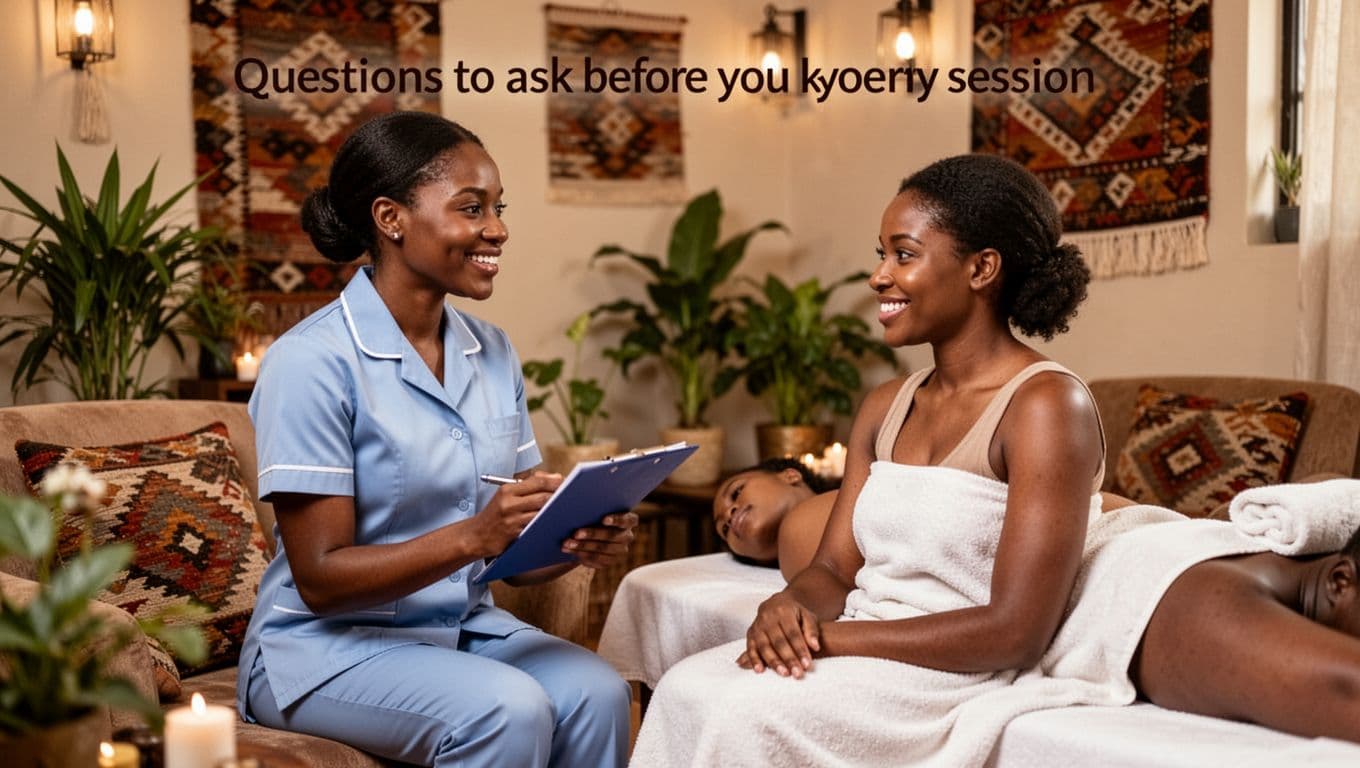
Then move to the treatment itself. Ask what pressure levels they offer and whether the session can be adjusted for deep relaxation or tension relief. Aromatherapy massage is usually gentle to medium, but a good spa should still tailor the approach to your comfort.
It’s also smart to ask about the oils. You want to know:
- Which essential oils are commonly used
- Whether they dilute them properly
- How they handle allergies or scent sensitivity
- Whether you can request a lighter or simpler blend
If you have asthma, migraines, reactive skin, or pregnancy concerns, bring that up before booking. A professional spa should answer clearly and adjust the session when needed, not brush the issue aside.
Also ask about the booking process itself. Is advance booking required? Can you choose a preferred therapist? Is there parking nearby or an easy drop-off point? In Kilimani, these details can shape your whole day. A massage should feel like relief, not another logistical headache.
Why location, privacy, and atmosphere matter in Kilimani
In Kilimani, a spa can be excellent on paper but still feel inconvenient in real life. If getting there means fighting for parking, sitting in noise, or rushing across a crowded block, the calm can disappear before your session even begins.
That is why location matters so much. A nearby spa, especially one close to home or work, makes it easier to book when you actually need it. You can fit an Aromatherapy Massage into a lunch break, after work, or on a quiet weekend without turning it into a full-day mission.
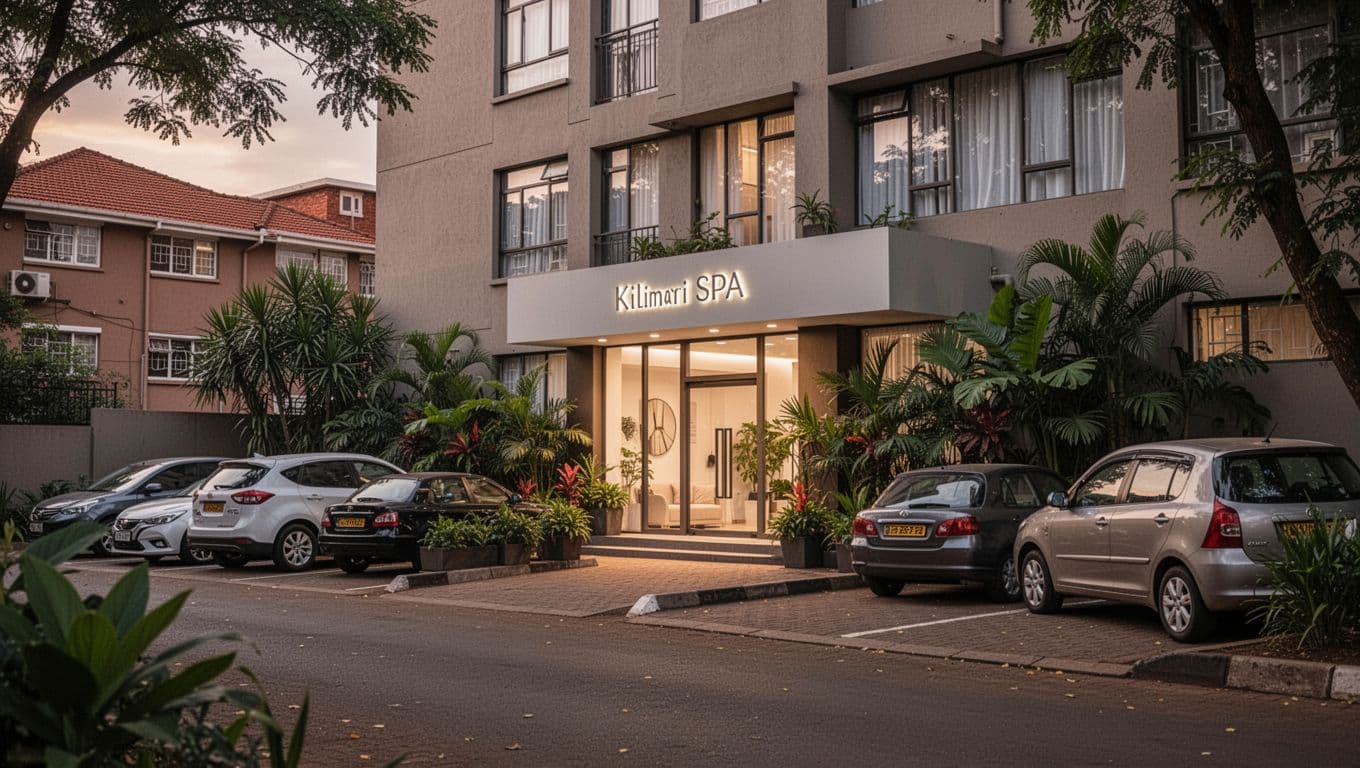
Access matters just as much as distance. Look for a place with straightforward directions, reasonable parking, and a setting that doesn’t leave you stressed on arrival. A calm treatment starts before the first drop of oil touches your skin.
Then there is privacy. In a busy neighborhood, quiet space feels almost like a luxury. You want treatment rooms that feel tucked away, not exposed to hallway noise or constant interruptions. That sense of privacy helps your nervous system settle faster.
Atmosphere pulls everything together. Soft lighting, low noise, a gentle scent, and a peaceful room can make a huge difference. Think of it like stepping out of traffic and into still water. When the environment feels calm, your body follows.
So, when you’re choosing a spa in Kilimani, look beyond the menu. Pick the place that feels easy to reach, easy to trust, and easy to relax in. That’s usually where the best Aromatherapy Massage experience begins.
Conclusion
Aromatherapy Massage is a strong fit for people who feel worn down, overstimulated, or stuck carrying stress in both body and mind. If your goal is better sleep, a calmer mood, and relief from everyday tightness without intense pressure, this treatment makes a lot of sense. In Kilimani, that mix of soothing touch, quiet space, and carefully chosen oils is exactly why so many people turn to it when they need real relaxation, not just a quick break.
You can expect a session that feels gentle, personalized, and easy to settle into. The pressure is usually soft to medium, the scent is chosen around your comfort, and the overall pace helps your nervous system slow down. For many people, that means leaving lighter, clearer, and more rested than when they arrived.
If that sounds like what your week has been missing, the next step is simple. Compare it with other calming treatments like singing bowl therapy, or go ahead and book an Aromatherapy Massage session that matches how you want to feel. Sometimes the best reset is not the hardest treatment, it’s the one that helps you finally let go.