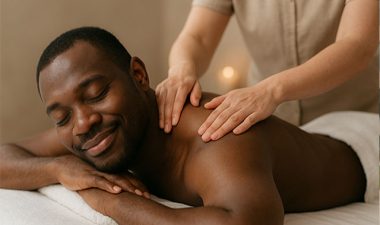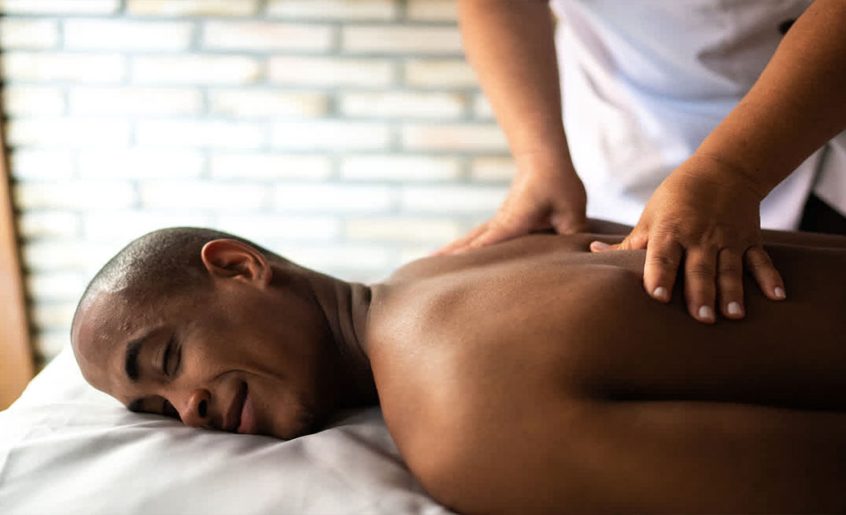
Benefits of Massage for Stress Relief, Sleep, and Pain Reduction
Modern life can wear you down fast. Stress builds up, muscles stay tight, sleep gets lighter, and your mind rarely seems to switch off. That’s why more people are paying attention to the Benefits of Massage, not as a luxury, but as real support for everyday health.
Massage can help far beyond a short moment of relaxation. Research continues to link massage therapy with lower stress, less pain, better sleep, improved mood, and easier movement. In other words, it can support both how your body feels and how your mind resets.
That matters if you sit for long hours, train hard, deal with body aches, or just feel mentally drained. Different treatments can also serve different goals, whether you want gentle relaxation or deeper work through professional massage services. The key is knowing what massage can actually do, and when it may help most.
This guide breaks it down in a practical way. You’ll get a clear look at how massage may ease tension, support recovery, improve sleep quality, and help you move with less discomfort. So if you’ve wondered whether massage is worth it, this article will help you understand the benefits in plain, useful terms.
The main benefits of massage for your body and mind
The Benefits of Massage often show up in simple, real-life ways. You feel less tight, more settled, and better able to move through the day. In the short term, massage can bring relief and calm. Over time, regular sessions may support better sleep, less stress, and a body that feels easier to live in.
That balance matters because body tension and mental strain often feed each other. When your muscles stay tight, your mind rarely feels fully at ease. Massage helps break that loop by supporting both physical comfort and nervous system recovery.
How massage helps ease pain and muscle tension
Tight muscles can make everyday life feel heavier than it should. A stiff neck after hours at a desk, sore shoulders from stress, back pain from poor posture, or heavy legs after exercise can all build up fast. Massage helps by working into areas of tension and giving overworked muscles a chance to let go.
When pressure is applied with skill, it can loosen knots, reduce soreness, and ease that pulled, cramped feeling many people carry all day. Think of it like untangling a rope. The tension does not always disappear at once, but the tissue often starts to soften, and movement feels easier.
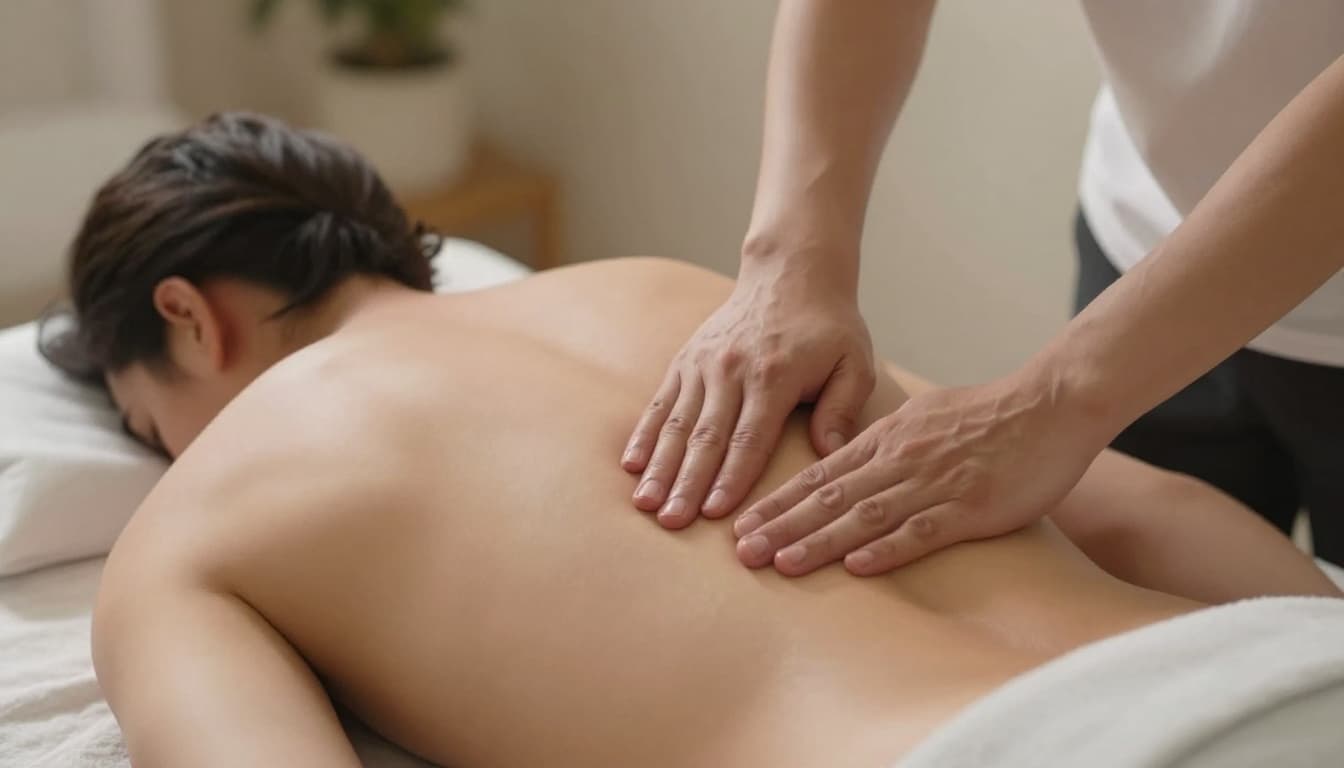
Massage may also improve blood flow, which can help bring oxygen and nutrients to tired muscles. As a result, areas that feel hard, tender, or sluggish may begin to relax. That is one reason many people notice relief in common trouble spots such as:
- Neck pain from screen time or poor sleep position
- Shoulder tension linked to stress or long workdays
- Back pain from sitting, standing, or lifting
- Stiff legs after workouts, walking, or travel
Research continues to support massage for pain relief, especially for lower back pain, muscle soreness, and tension-related discomfort. Still, the best part is often how practical it feels. You are not just chasing relaxation. You are helping your body recover from the wear and tear of normal life.
If you also like self-care between appointments, some home tools to ease muscle tension can help extend that feeling of relief.
When muscles relax, the whole body often feels lighter, looser, and easier to move.
Why massage can lower stress and calm the nervous system
Stress does not just sit in your thoughts. It shows up in your jaw, shoulders, breathing, and sleep. That is why one of the most valued Benefits of Massage is how it helps the body shift out of high alert and into a calmer state.
When you are under pressure for days or weeks, your nervous system can stay switched on. You may feel restless, tense, short-tempered, or mentally crowded. Massage helps interrupt that pattern. The steady pressure, quiet setting, and slower breathing that often comes during a session can signal the body to downshift.
Studies continue to link massage with lower cortisol levels, which is one of the main stress hormones. At the same time, people often report feeling calmer, more grounded, and less overwhelmed after even a short session. That matters if you are dealing with burnout, constant work pressure, or the feeling that your brain never fully powers down.
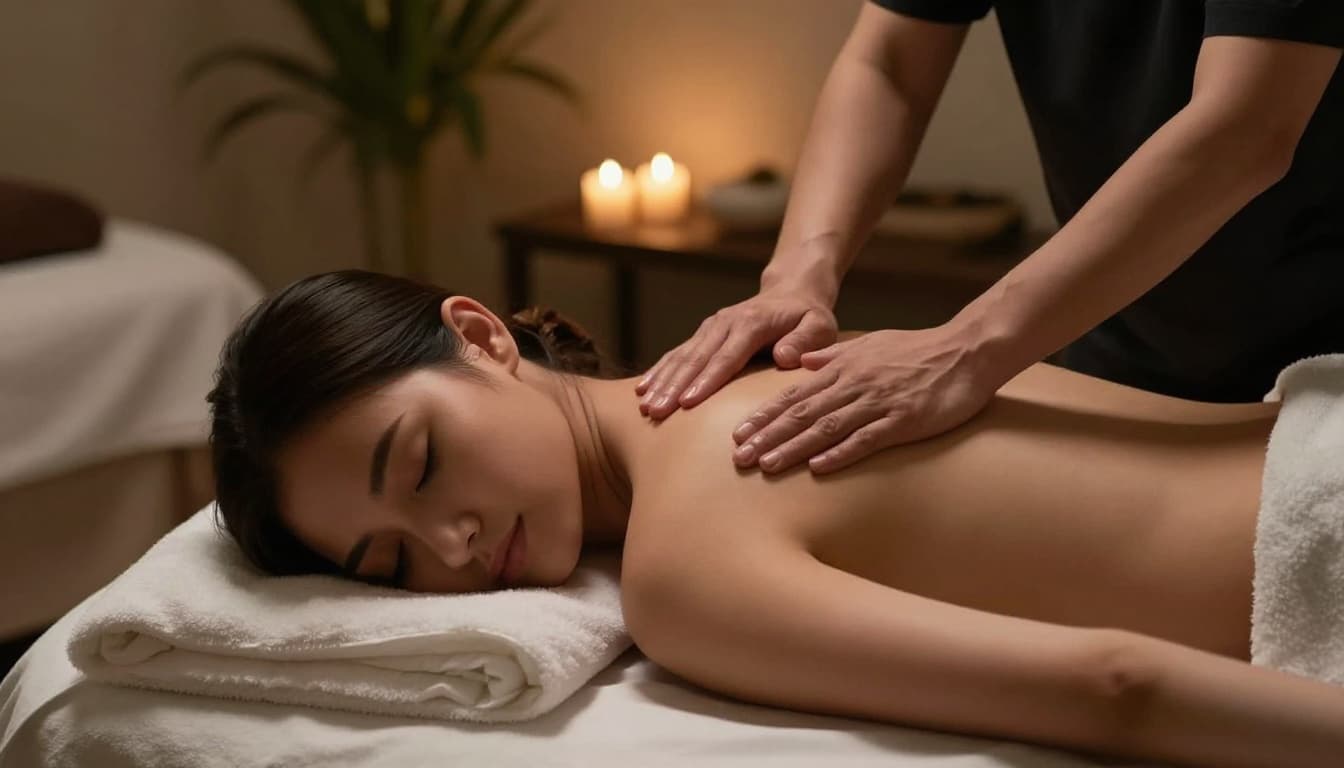
Even a brief massage can act like a reset button. Not because it erases your problems, but because it gives your body a clear signal that it is safe to soften. Once that happens, your heart rate may slow, your breathing may deepen, and your mind may stop racing so hard.
For people who want added support for deep relaxation, singing bowl therapy for stress relief can also complement a calming wellness routine.
Better sleep, better mood, and more energy
Good sleep starts long before bedtime. If your body feels tense and your mind stays busy, rest becomes harder to reach. Massage can help by easing physical discomfort and promoting a calmer mental state, which may make it easier to fall asleep and stay asleep.
That connection is important. When you sleep better, you usually wake up with more patience, clearer focus, and steadier energy. In other words, the effects of massage do not always stop when the session ends. They can carry into the next day through better rest and less physical strain.
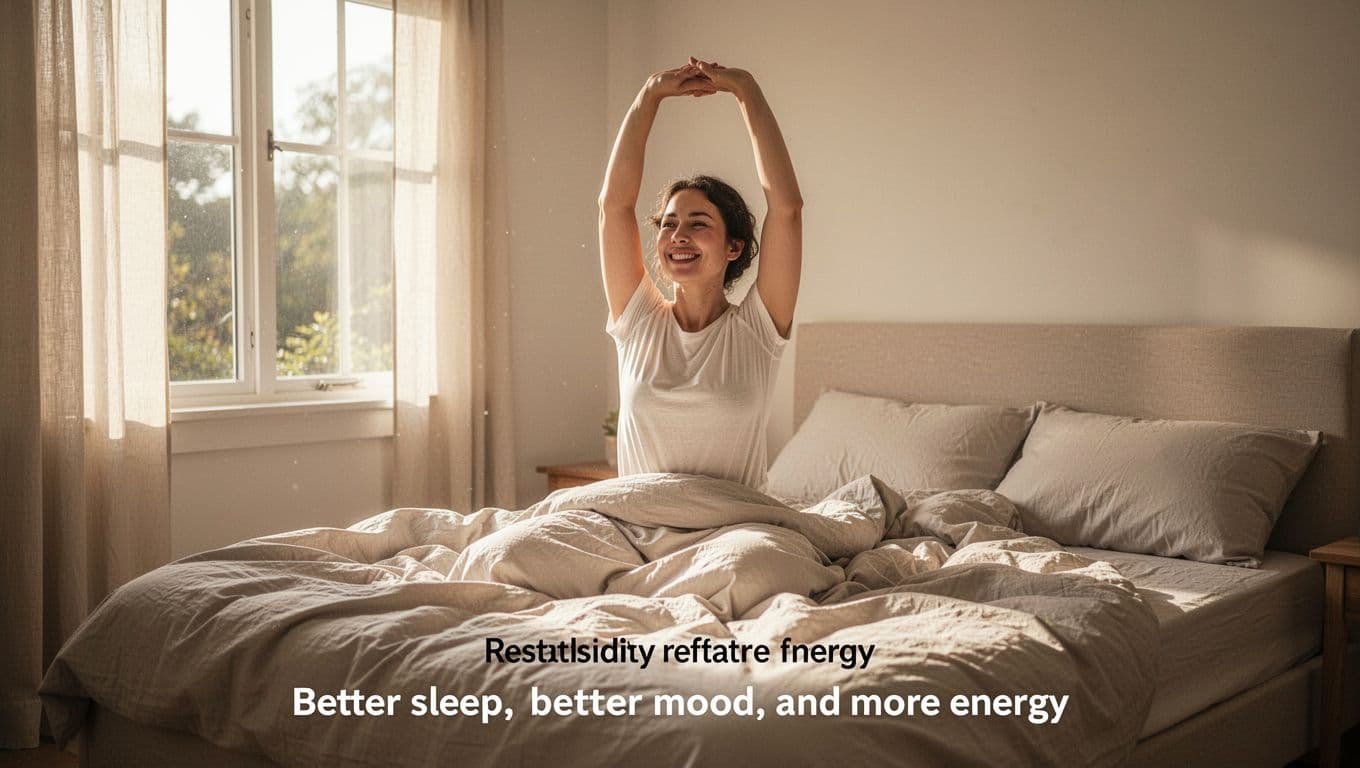
Massage may also support mood in a simple but meaningful way. People often describe feeling more balanced, lighter, and emotionally steady after a session. That does not mean massage replaces mental health care. It means physical relaxation can make it easier to feel settled and less worn down.
Over time, regular massage can support a healthier rhythm:
- Less tension during the day
- More relaxation in the evening
- Better sleep quality at night
- More energy and steadier mood the next day
That is why massage is more than a one-time treat for many people. It can be part of a steady wellness routine, one that supports short-term relief while also helping you feel more rested, comfortable, and resilient week after week.
What happens in the body during and after a massage
The Benefits of Massage often feel simple on the surface. You get off the table feeling looser, lighter, and calmer. Under that feeling, though, your body has usually gone through a few helpful changes at once, from softer muscle tone to a short-term boost in local blood flow and a calmer stress response.
During a session, pressure, movement, and touch work together. Muscles may start to relax, tissues can feel warmer, and the nervous system often shifts out of that tense, guarded mode. Afterward, many people notice easier movement, less soreness, and a body that feels less stuck in place.
Improved circulation and easier movement
Massage can temporarily increase blood flow in the area being worked on. That matters because better local circulation helps bring oxygen and nutrients to tired tissue, while also giving muscles a chance to warm up. As a result, stiff spots often feel less rigid and more responsive.
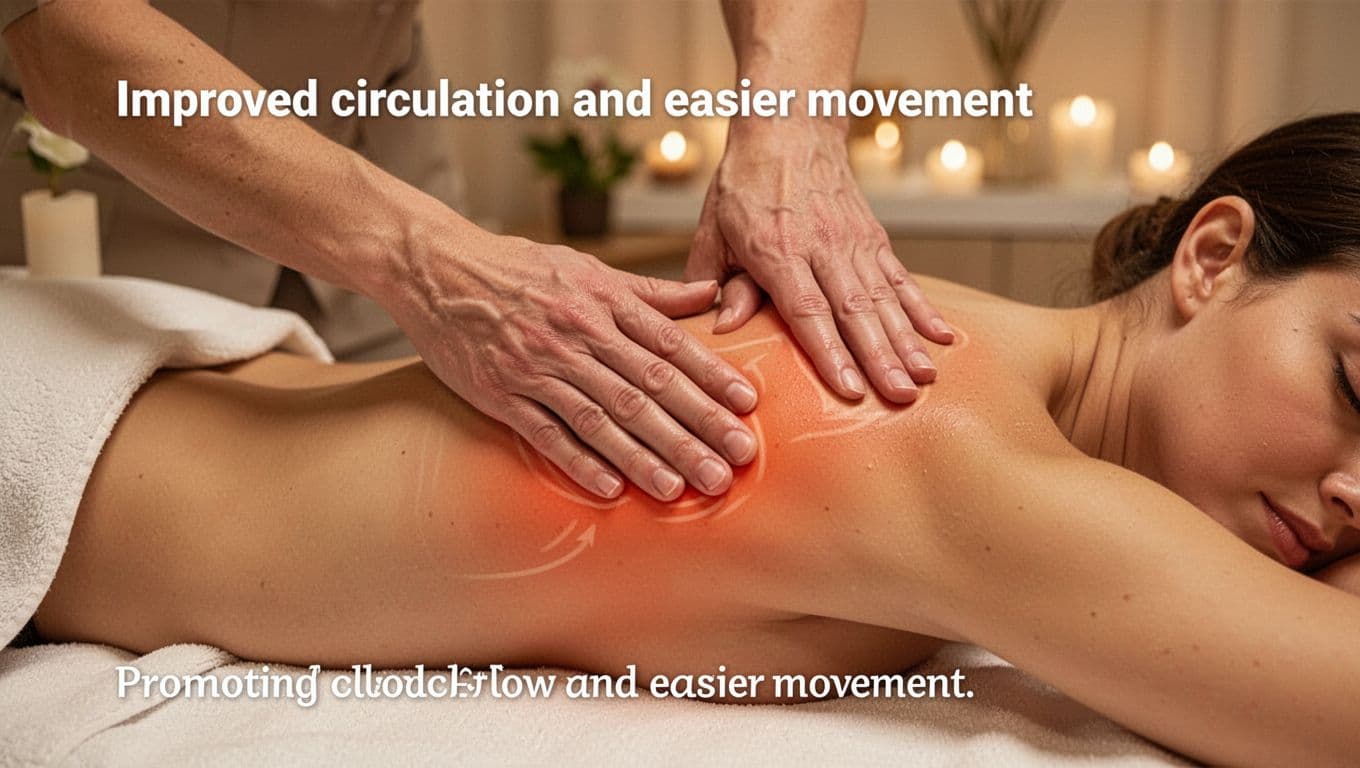
Think of cold taffy versus warm taffy. One resists every pull, while the other gives a little. Your muscles and connective tissue can act the same way. When massage helps tissues warm and soften, joints often move with less drag.
That can show up in daily life in very practical ways. You may turn your neck more easily, stand taller without forcing it, or bend down with less resistance. In other words, massage doesn’t just feel good on the table, it can make ordinary movement smoother afterward.
A few effects tend to work together:
- Less stiffness: Tight areas may stop pulling so hard on nearby joints.
- Better flexibility: Softened tissue can allow a fuller, easier range of motion.
- Improved posture: When the chest, shoulders, hips, or back relax, standing and sitting well takes less effort.
- Easier daily movement: Walking, reaching, lifting, and even getting out of a chair may feel more natural.
That said, massage is not a permanent fix for posture or mobility on its own. Still, it can create the breathing room your body needs to move better, especially when paired with stretching, strength work, and better daily habits.
When your muscles stop bracing so much, movement often starts to feel more natural again.
Support for recovery after exercise or long hours at a desk
Whether you train hard or sit too long, your body keeps score. Exercise can leave muscles tired and sore, while desk work can load the neck, shoulders, lower back, and hips in a quieter but steady way. Massage helps in both cases by easing tension and helping overworked tissue settle down.
After a workout, massage may reduce that heavy, achy feeling that shows up a day later. Some recent research suggests it can support muscle recovery, flexibility, and mobility, especially when tight areas get focused attention. So if your legs feel like concrete after training, massage can help them feel usable again.
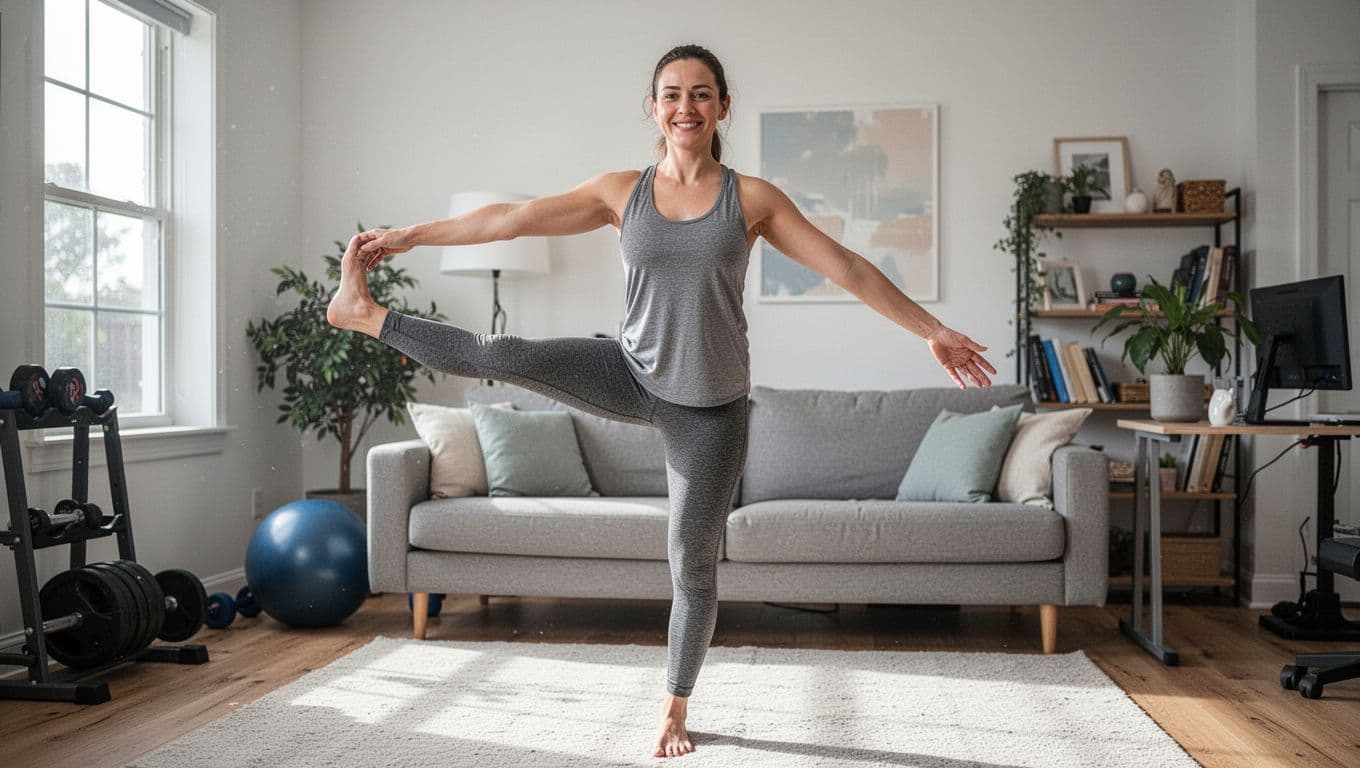
Desk work creates a different kind of strain. Hours of screen time can shorten the front of the body and overload the back of the neck and shoulders. Over time, that can lead to the familiar pattern of a sore upper back, tight hips, and a stiff lower spine. Massage helps interrupt that pattern by loosening guarded muscles and reducing the constant sense of pull.
For stubborn spots, targeted pressure can make a real difference. Treatments like deep tissue massage are often chosen when surface-level relaxation is not enough, especially for long-held knots, repetitive strain, or post-workout tightness.
In both active and sedentary routines, the goal is similar. Massage helps the body recover from stress, whether that stress came from squats, spreadsheets, or too much time in one position.
How massage may support immune function and overall wellness
Massage is best known for relaxation and pain relief, but its effects may reach a bit further. Some older research has suggested massage may support parts of immune function, including activity linked to lymphocytes, which are white blood cells involved in immune defense. At the same time, newer evidence is still limited, so it’s smart to keep claims measured.
What seems clearer is the bigger picture. Massage can help lower stress, improve sleep, and reduce physical tension. Those changes matter because your body tends to function better when it is not constantly running on strain and poor rest.
So while massage should not be framed as a cure or a shortcut to “boost” immunity, it can still support overall wellness in useful ways:
- Better sleep, which helps the body recover and regulate itself
- Lower stress load, which may support healthier day-to-day function
- Less pain and tension, making movement and exercise easier to keep up
- A stronger self-care routine, which often leads to better long-term habits
That is part of the wider Benefits of Massage story. It is not only about feeling relaxed for an hour. It is also about helping your body work with less friction, recover more easily, and stay in a steadier state from one day to the next.
Different types of massage and the benefits each one may offer
Not every massage feels the same, and that’s part of the point. Some styles are made to calm your whole system, while others focus on tight spots that have been bothering you for weeks. If you want the full Benefits of Massage, it helps to match the treatment to your goal.
A gentle session can feel like your body finally gets permission to exhale. A firmer session, on the other hand, can work more like careful repair on stiff, overworked tissue. The right choice depends on what you’re dealing with, how much pressure you enjoy, and what you want to feel when the session ends.
Swedish massage for gentle relaxation and stress relief
If you’re new to massage, Swedish massage is often the easiest place to start. It uses long, smooth strokes, light-to-moderate pressure, and steady movement to help the body settle down. For many people, it feels calm, familiar, and easy to enjoy from the first few minutes.
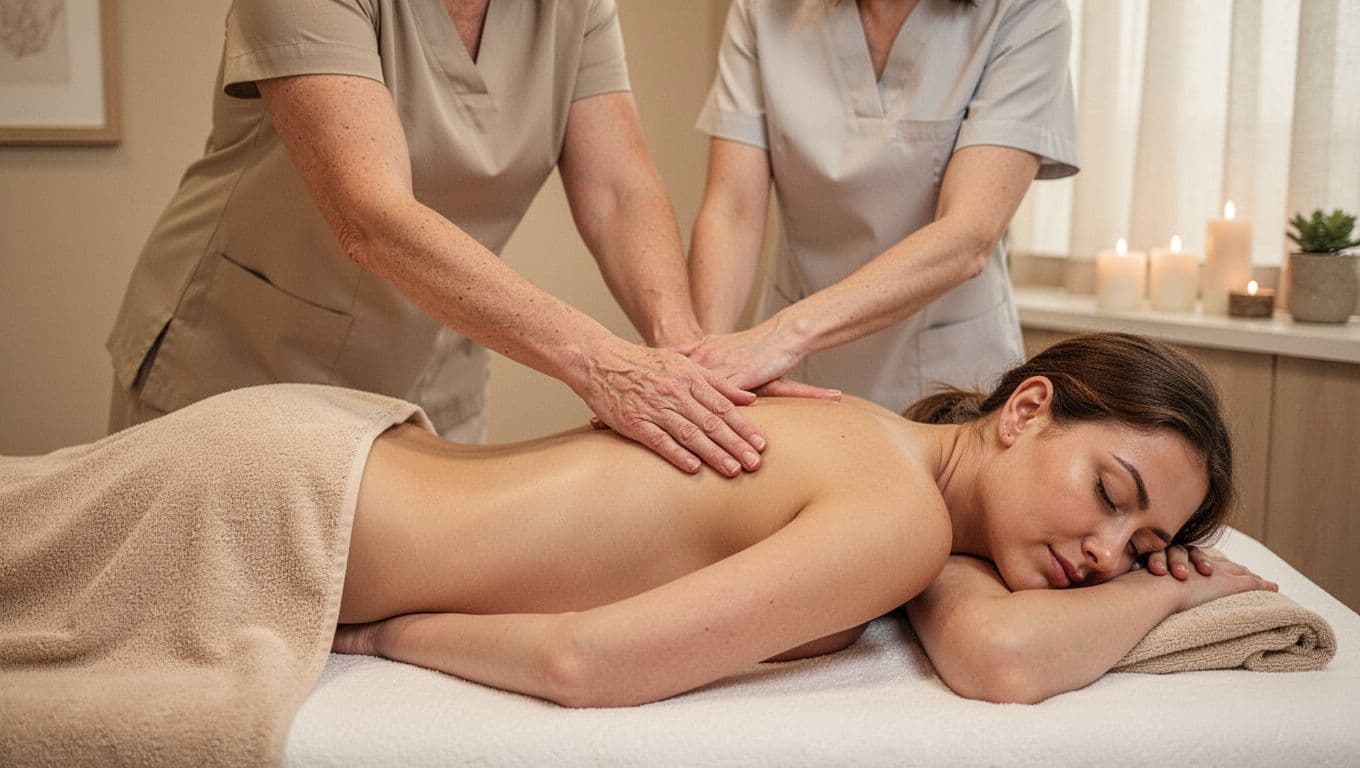
This style is a strong fit when your main goal is full-body relaxation. Maybe your shoulders feel tense from stress, your legs feel heavy, or your mind just won’t slow down. In those cases, Swedish massage can help ease light muscle tension while also giving your nervous system a chance to shift into a calmer state.
Recent massage research continues to support this kind of gentle work for stress relief and pain support, even if results vary from person to person. That’s important because a first massage doesn’t need to feel intense to be useful. In fact, many people get the best results when the pressure feels safe, soothing, and easy to receive.
Swedish massage may be the right fit if you want:
- A first massage experience that doesn’t feel intimidating
- Stress relief more than focused pain work
- Light tension release in areas like the neck, shoulders, or back
- A calm, sleepy feeling after the session
In short, this is often the best choice when you want to relax from head to toe, not battle through deep pressure.
If your body feels wound up but not badly injured, Swedish massage is often enough.
Deep tissue massage for stubborn knots and chronic tightness
Deep tissue massage is usually chosen when tension has settled in and refused to leave. Think of the knot between your shoulder blade and spine, the lower back that always feels braced, or the hamstrings that stay tight long after exercise. This style uses slower, firmer pressure to work through deeper layers of muscle and connective tissue.
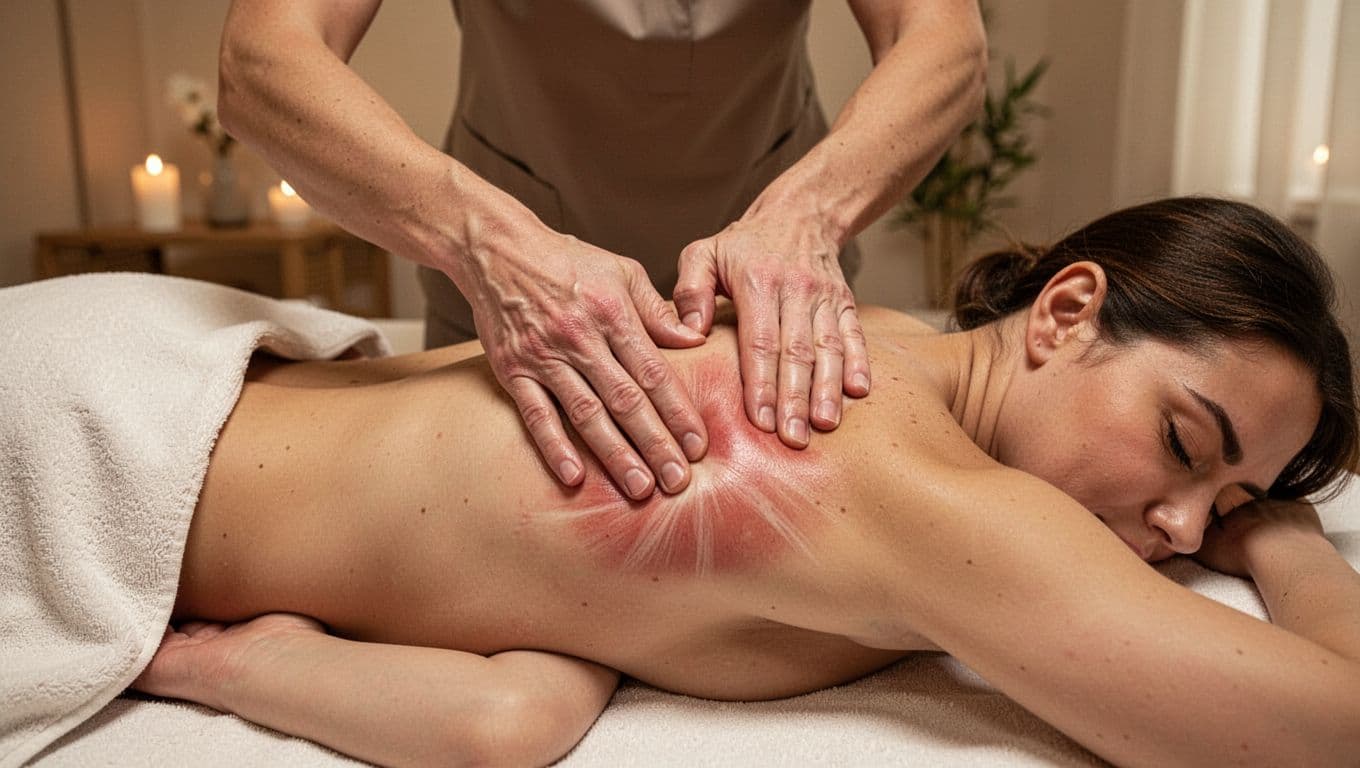
It can be especially helpful for long-term muscle tension, old tight spots, and recovery after physical strain. For example, if you train hard, sit for long hours, or carry stress in the same places every day, deeper work may help reduce that stuck, dense feeling. The goal is not to cause pain. The goal is to help tissue release in a focused, useful way.
Still, deeper isn’t always better. That’s a common myth, and it leads some people to ask for more pressure than they actually need. Too much force can make you tense up, guard the area, or leave the session feeling battered instead of helped. The best pressure is the one your body responds to well, not the one that sounds toughest.
A good deep tissue session often works best when:
- You have specific problem areas, not just general stress.
- You can handle moderate or firm pressure comfortably.
- You tell the therapist where the pain, pulling, or tightness shows up.
- The pressure stays strong but still feels controlled.
This is where communication matters most. If a spot feels sharp, too intense, or simply wrong, say so. Strong pressure should feel purposeful, not punishing. When done well, deep tissue massage can support pain relief, easier movement, and better recovery after repeated strain.
Aromatherapy massage for relaxation that engages the senses
Aromatherapy massage adds another layer to the experience by pairing massage with essential oils. The massage itself may feel gentle and calming, while the scent helps shape the mood of the session. For some people, that combination makes it easier to mentally let go.
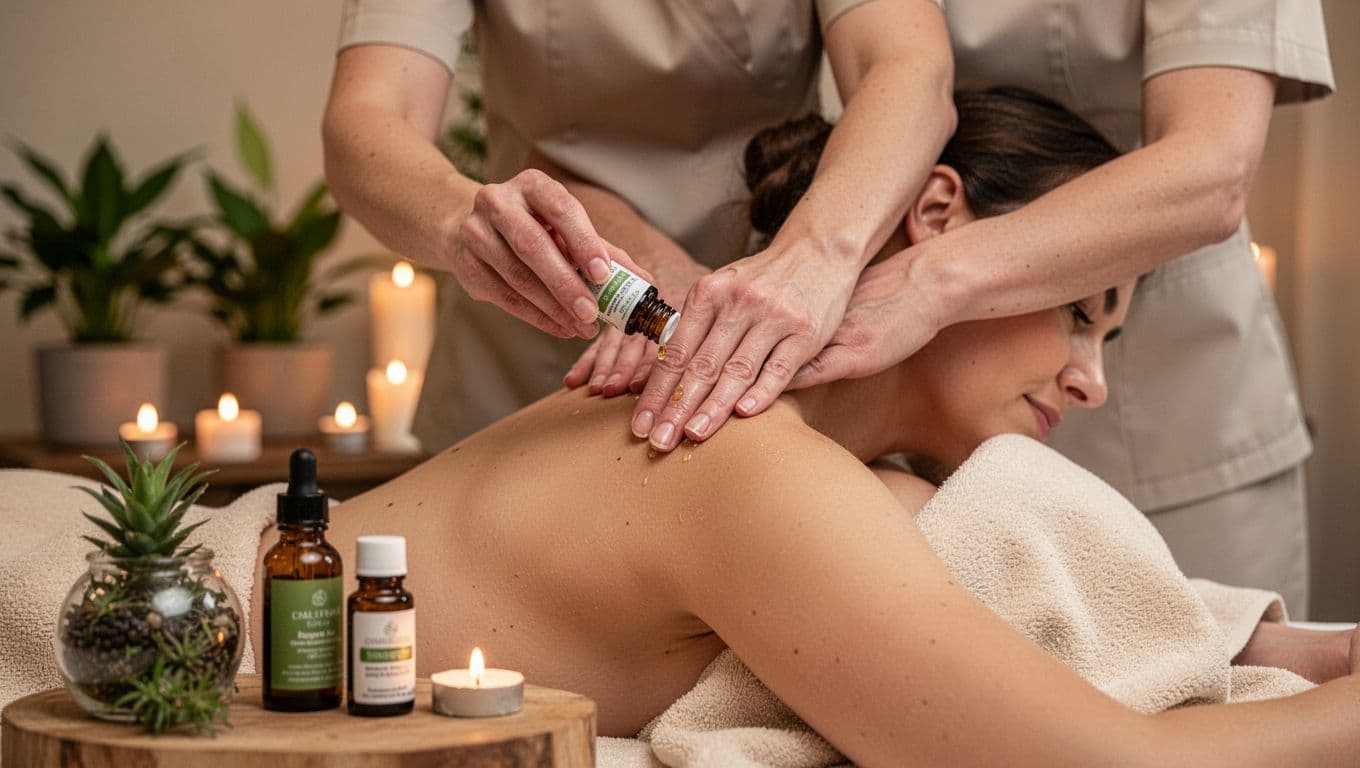
This option tends to work best when stress, tension, or mental fatigue is the main issue. Maybe you don’t just feel sore, you feel drained. Your mind is busy, your breathing is shallow, and your body feels like it’s carrying the whole week at once. In that case, scent can help the session feel more immersive, almost like dimming the noise in a crowded room.
The oils themselves don’t affect everyone the same way. Some people find lavender, citrus, or other blends deeply calming. Others prefer a simple massage without fragrance. That’s why aromatherapy is best seen as an added support, not a magic fix. The main value comes from how touch and scent work together to help you relax.
This style may suit you if you want:
- A stress-focused massage rather than heavy muscle work
- A more sensory experience that feels soothing and restorative
- Help winding down after mental overload or poor sleep
- Gentle pressure with a spa-like feel
For many readers, this is one of the most enjoyable ways to experience the Benefits of Massage, especially when the goal is to feel calm, settled, and mentally lighter.
How to choose the right massage for your needs
The best massage is the one that matches what your body needs right now. If your goal is stress relief, Swedish or aromatherapy massage often makes the most sense. If you want pain relief for knots or chronic tightness, deep tissue may be a better fit. For better sleep, many people do well with a calming, gentler session that helps the whole body unwind.
It helps to think in simple terms before you book. Ask yourself what would make the session feel successful. Less neck tension? Fewer stress headaches? Better recovery after workouts? A full reset after a hard week? Once you know your goal, the choice gets easier.
Here is a quick way to think about it:
- For stress and mental overload: Choose Swedish or aromatherapy
- For chronic tightness and stubborn knots: Consider deep tissue
- For post-workout soreness: Look for focused work with moderate to firm pressure
- For general wellness: Pick a style that feels comfortable enough to repeat regularly
Just as important, tell your therapist what you like and what you don’t. Share your comfort level, your preferred pressure, and the areas that need the most attention. If your shoulders are the main problem, say that. If you hate very deep pressure, say that too. A good session should fit your body, not force you into a one-size-fits-all approach.
If you want to compare available options before booking, checking the spa’s massage price list can help you narrow down the right treatment.
The bottom line is simple. Massage works best when the style matches the reason you’re getting it. Once that match is right, the benefits tend to feel clearer, faster, and more lasting.
Who can benefit most from massage, and when it helps the most
The Benefits of Massage are not limited to one type of person. They can fit into a packed workweek, a training routine, or a body that feels stiff from the same daily habits. In many cases, massage helps most when stress or tension starts to affect how you sleep, move, and cope.
That said, massage is not a cure-all. It works best as practical support, especially when your body keeps sending the same signals, tight shoulders, heavy legs, restless sleep, or that worn-down feeling you can’t quite shake.
Office workers, busy parents, and people under daily stress
If your days feel full before they even begin, massage can make a real difference. Office workers often hold tension in the neck, jaw, and shoulders. Busy parents carry a different load, but the body response is often the same, tight muscles, low energy, and a mind that never fully switches off.
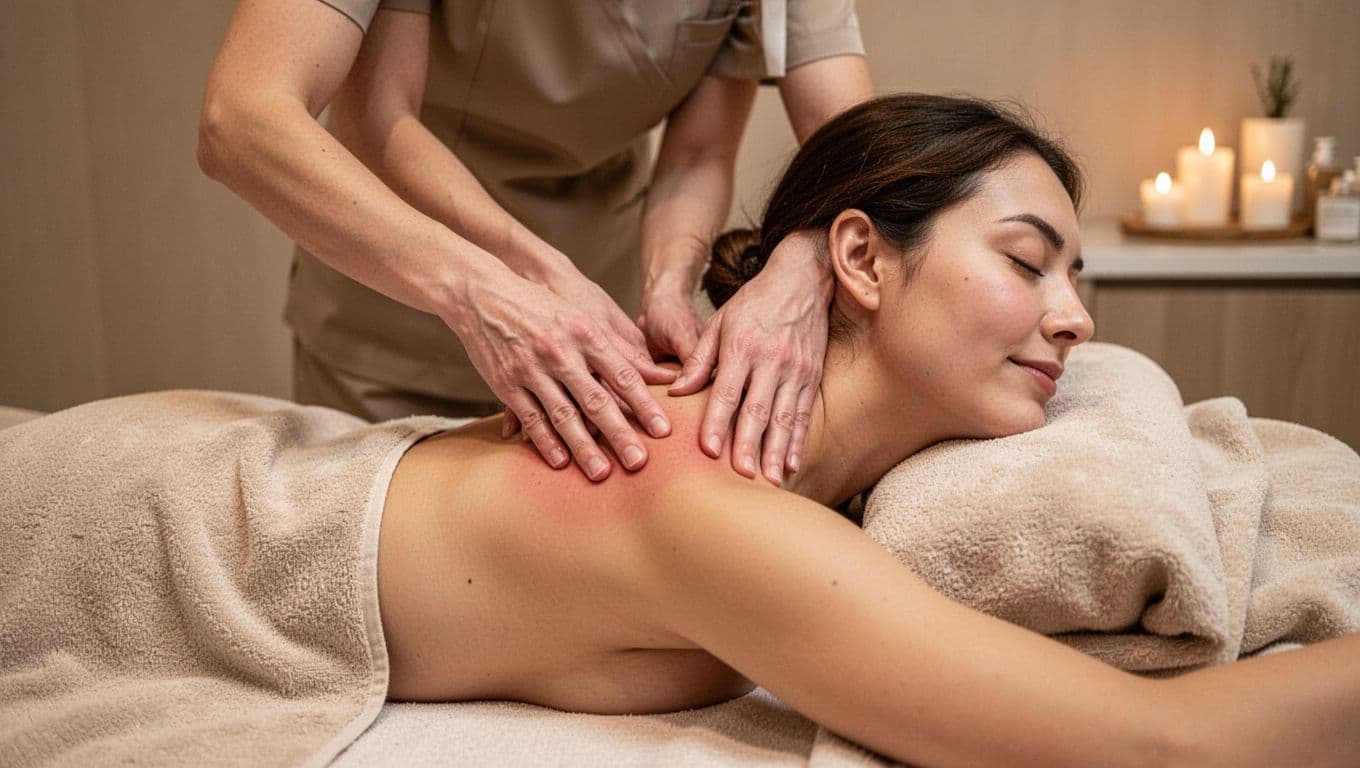
Over time, that constant strain can show up as tension headaches, shallow breathing, poor sleep, and the sense that you’re always running on fumes. Massage may help by easing those common pressure points and giving your nervous system space to settle. As a result, many people feel calmer, clearer, and less irritable after a session.
This matters most when stress has become physical. For example, if your shoulders stay raised all day or you wake up tired after a full night in bed, your body may need more than just rest. It may need help letting go.
A regular massage routine can support daily life in simple ways:
- Less neck and shoulder tightness, especially after screen time or long commutes
- Fewer tension-related headaches, when muscle strain plays a role
- Better sleep quality, because the body feels less keyed up at night
- More emotional breathing room, so daily demands feel easier to handle
You still have the same job, family, and to-do list. Yet your body may feel less like a clenched fist. That’s a big part of why the Benefits of Massage appeal to people with heavy mental loads. Sometimes relief is not dramatic, it’s just finally being able to exhale.
If you want a real-world example of how calming bodywork can feel after a stressful day, this client testimonial on all-day relaxation post-massage gives a good sense of that effect.
When stress lives in the body, massage can help loosen its grip.
Active people, gym-goers, and anyone with sore muscles
Massage can also help if you move a lot and pay for it later. Maybe you lift weights, run, play sports, or simply stay active enough to feel sore the next day. In that case, massage is often less about pampering and more about recovery.
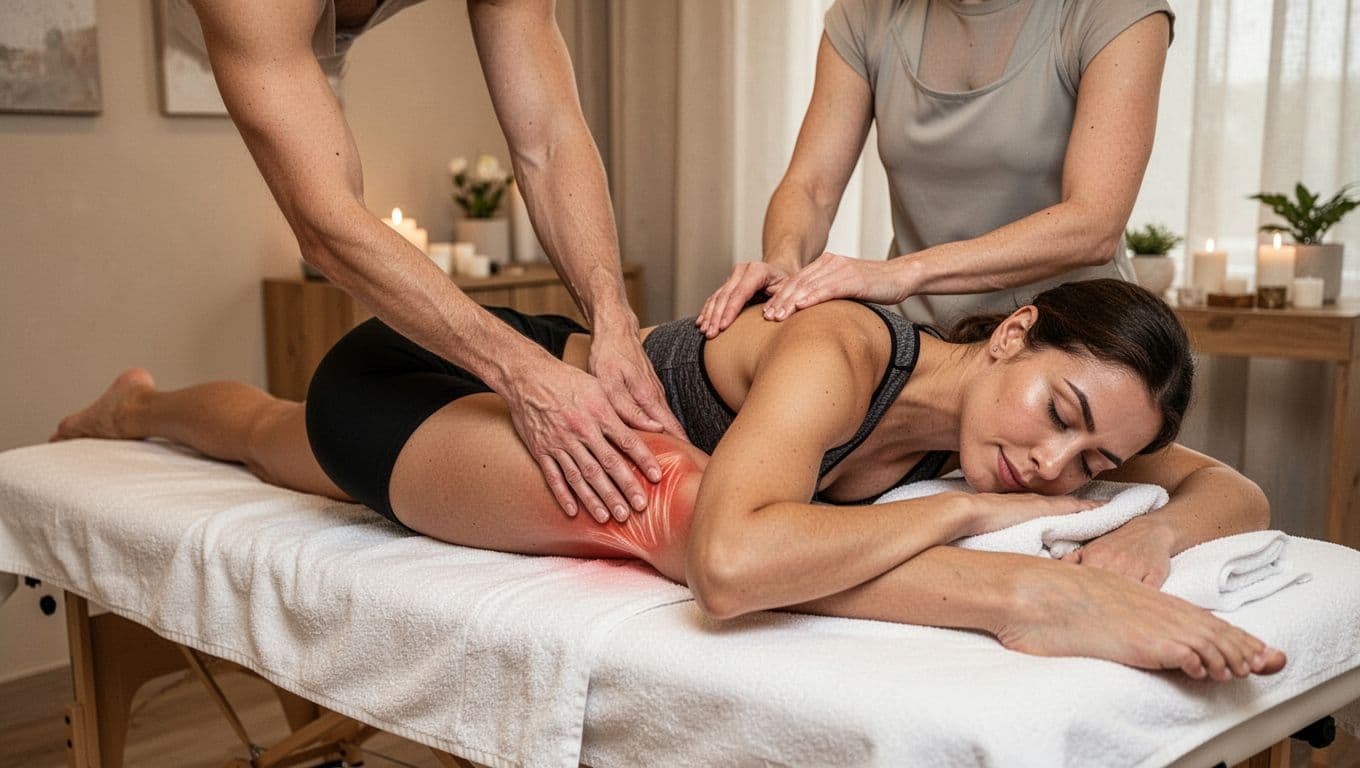
After hard training, muscles can feel heavy, tight, and slow to bounce back. Massage may ease post-workout soreness, improve short-term flexibility, and help you move more freely. Think of it like pressing reset on overworked tissue. You still need time, hydration, sleep, and solid training habits, but massage can make recovery feel smoother.
It may help most when:
- You have repeated soreness after workouts.
- Certain muscles stay tight week after week.
- Your range of motion feels limited or sticky.
- Recovery is slowing down your next session.
For gym-goers, the benefit is often practical. Looser calves can make walking easier after leg day. Less tightness in the hips or back can improve how you squat, lunge, or stretch. In other words, massage may help you return to movement feeling less restricted.
This doesn’t mean every ache needs deep pressure. Sometimes a moderate, focused session works better than going as hard as possible. The goal is to help the body recover, not to leave it feeling beaten up.
People dealing with ongoing aches, stiffness, or poor posture
Some people are not overly stressed or highly active, they just feel stiff all the time. That often happens if you sit for long hours, stand through your whole shift, drive often, or carry tension in the same places every day. The body adapts, but not always in a helpful way.
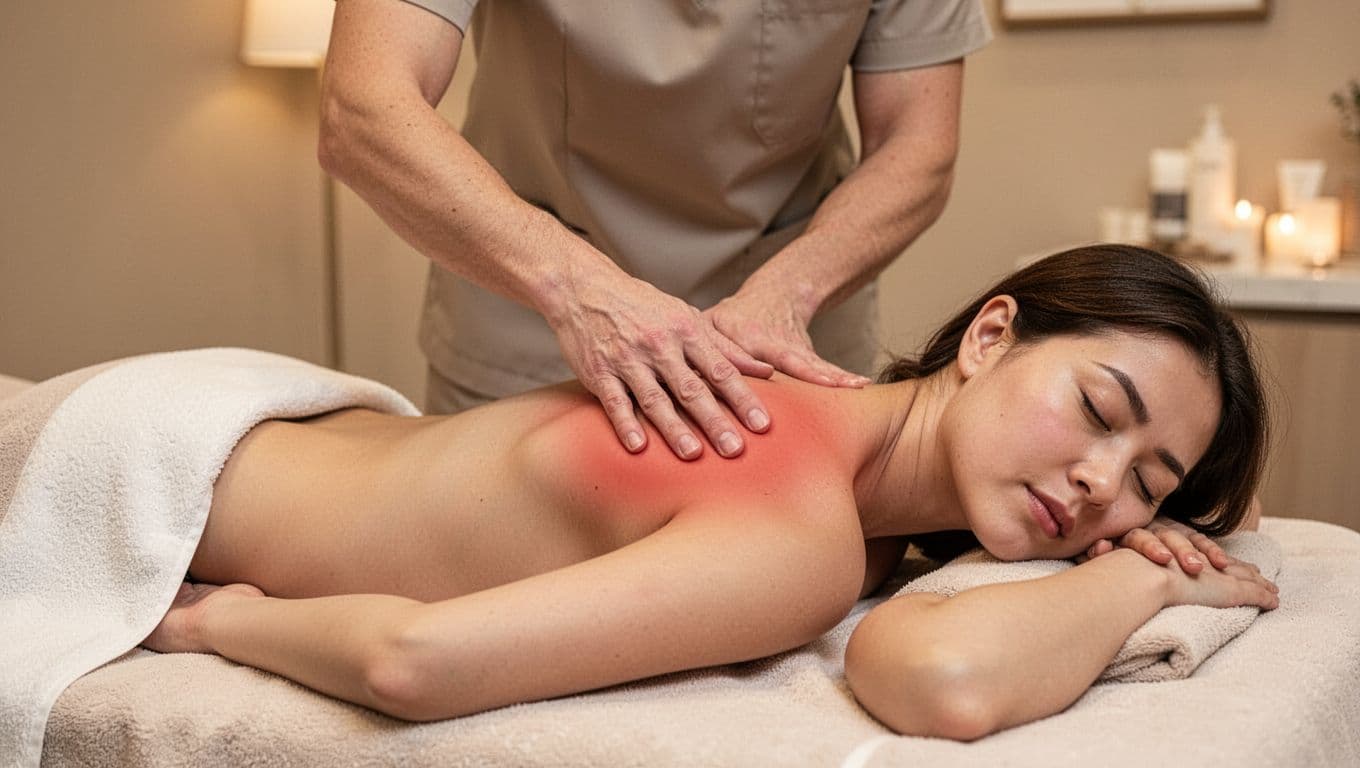
You might notice a sore lower back, tight hips, an aching upper back, or shoulders that always feel pulled forward. Massage may help reduce that built-up tension and make movement feel easier for a while. It can also help you become more aware of where you hold stress, which is often half the battle.
Still, realistic expectations matter. Massage may relieve discomfort and improve short-term mobility, but it usually works best as part of a broader self-care plan. That plan might include better posture habits, stretching, strength work, walking breaks, or changes to your workstation.
A good way to think about it is this: massage can create an opening. Then your daily habits help keep that opening from closing right back up.
For people with ongoing stiffness, the Benefits of Massage often show up as:
- Less daily discomfort
- Easier movement
- Reduced muscle guarding
- A better starting point for exercise or stretching
So who benefits most? Usually, it’s the person whose body is asking for help through tension, soreness, and fatigue. When massage meets that need at the right time, it can make everyday life feel a lot more manageable.
How to get the most benefit from every massage session
A massage works best when you treat it like part of your care, not just an hour on the table. Small choices before and after your session can shape how much relief you feel, how long it lasts, and whether the Benefits of Massage carry into your sleep, stress levels, and daily movement.
You don’t need a complicated routine. A few simple habits, plus realistic expectations, can help you get more from each visit.
What to do before and after your massage
Start with the basics. Try to arrive hydrated, on time, and not overly full. A heavy meal right before your appointment can make it harder to relax, especially if you’ll be lying face down or receiving deeper work.
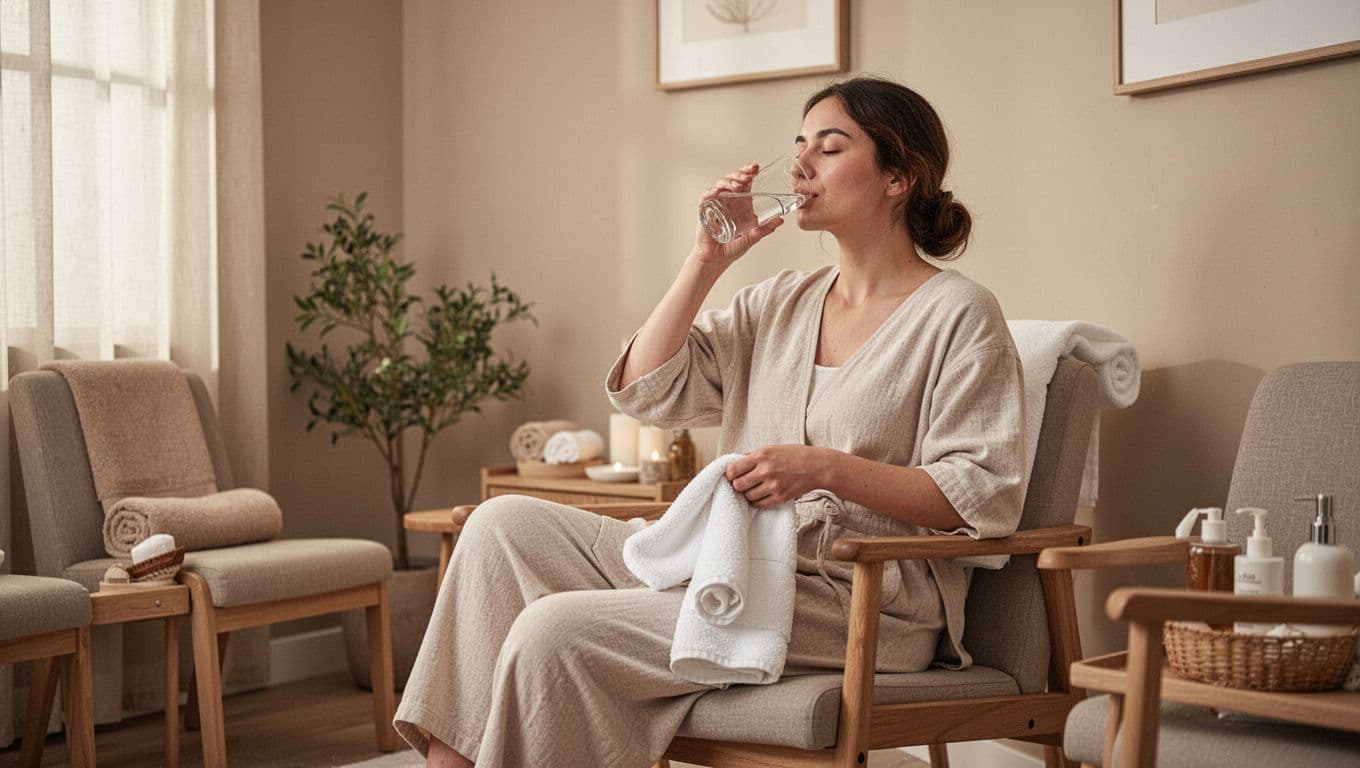
It also helps to pause before the session begins. Take a few slow breaths, silence your phone, and give yourself a minute to settle. If your mind rushes in at full speed, your body often follows.
During the massage, speak up clearly. Tell your therapist if the pressure feels too light, too intense, or wrong for a certain area. Stronger is not always better. The best pressure is the one your muscles respond to without making you tense up.
Afterward, give your body some room to absorb the work. If possible:
- Drink some water and eat normally if you’re hungry
- Avoid jumping straight into a hard workout
- Rest or take it easy for the next few hours
- Notice how your body feels later that day and the next morning
If you had deeper work, mild soreness can happen afterward. That doesn’t always mean anything is wrong. It can feel similar to post-workout tenderness and usually fades within a day or two. Gentle movement, light stretching, and rest often help more than pushing through discomfort.
A good massage should leave you feeling worked on, not beaten up.
How often should you get a massage
The right schedule depends on your goals, stress level, physical needs, and budget. There isn’t one perfect answer for everyone. Someone looking for occasional relaxation needs a different plan than someone managing ongoing neck tension, hard training, or poor sleep.
If your main goal is stress relief, a massage every 3 to 4 weeks may be enough to help you reset. If stress is high, sleep is off, or your body feels tight most days, weekly or every 2 to 3 weeks can make more sense for a while.
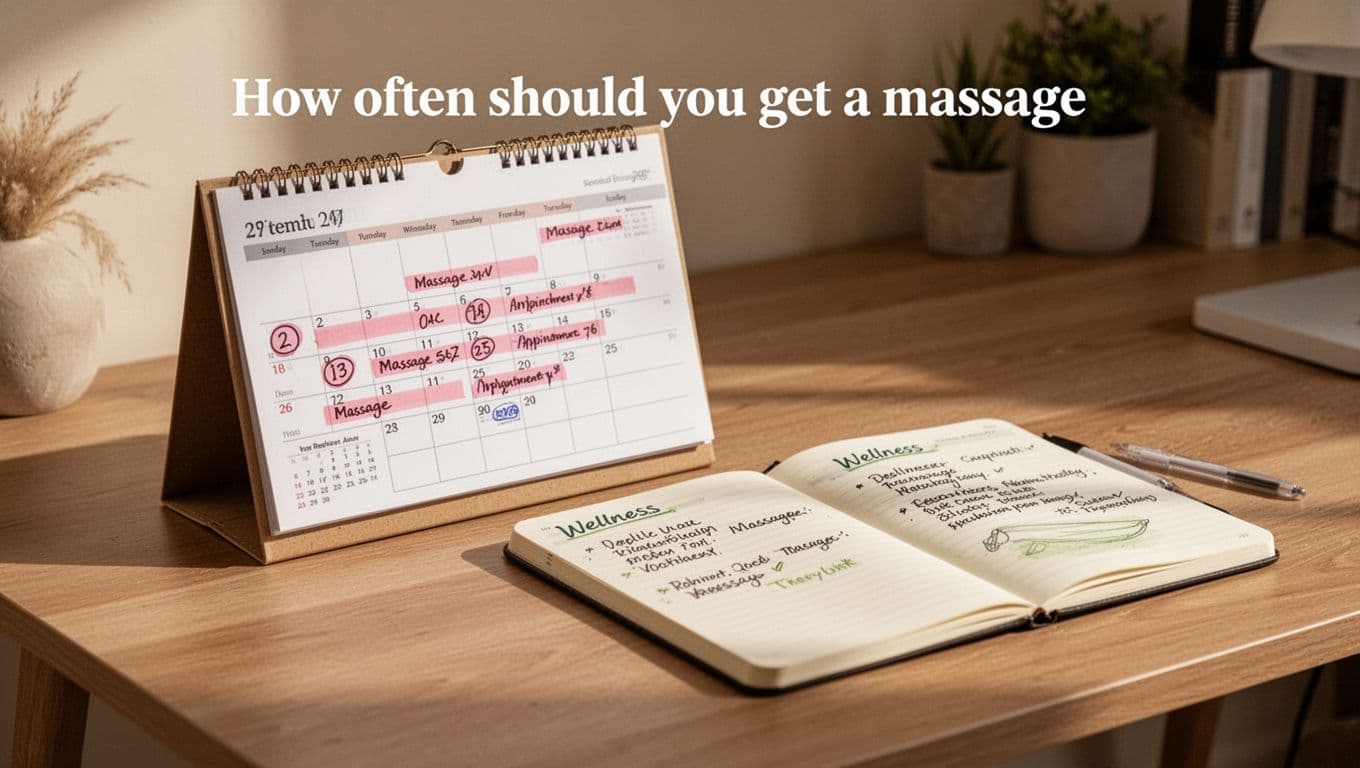
For ongoing pain or stubborn tension, people often benefit from a shorter gap between sessions at first. In some cases, one or two sessions a week for several weeks may help calm things down. After that, many shift to every two weeks or monthly maintenance. Think of it like loosening a tight knot. One careful pass helps, but repeated work usually does more.
A simple way to think about it is this:
- Occasional massage works well for relaxation, busy weeks, and general self-care.
- Regular massage makes more sense for chronic tightness, recovery, and repeated stress.
- Reassess after a few sessions so you can adjust based on results, not guesswork.
If you’re new to massage, start with a manageable rhythm and pay attention to how long the benefits last. Do you feel better for two days, a week, or a full month? That answer tells you a lot.
When to talk to a doctor before booking a massage
Massage is safe for many people, but there are times when it’s smart to check with a doctor first. That matters most if you have an injury, severe or unexplained pain, an infection, fever, recent surgery, or major swelling.
It’s also wise to ask first if you have certain health conditions, such as:
- Blood clot concerns or use of blood thinners
- Heart problems or uncontrolled high blood pressure
- Cancer or recent medical treatment
- Pregnancy concerns or a high-risk pregnancy
- Skin infections, open wounds, or contagious illness
You don’t need to panic over this. It’s just about matching massage to your situation safely. If something feels off, painful, or medically complex, get guidance first, then book with confidence.
The best next step is simple: know your goal, share your needs, and listen to your body afterward. If you want better sleep, less stress, or relief from tension, go in prepared, communicate clearly, and book often enough for the benefits to build.
Conclusion
The biggest takeaway is simple: the Benefits of Massage can reach far beyond a pleasant hour on the table. For many people, massage can mean less pain, lower stress, better sleep, easier movement, and a stronger sense of well-being. When your body feels less tense and your mind feels less overloaded, daily life often feels more manageable too.
Just as important, massage does not need to be saved for the point when you’re exhausted, sore, and running on empty. Regular care can help you stay ahead of that spiral, whether you sit all day, train hard, carry stress in your shoulders, or just want to feel more at ease in your own body. In other words, massage works best when you treat it as support, not as a last resort.
If any part of this guide sounded familiar, take that as a sign to pay attention to what your body has been asking for. Relief does not always need to be dramatic to matter. Sometimes it starts with one session, one deep breath, and one choice to care for yourself before burnout makes the decision for you.