
Deep Tissue Massage Benefits, What It Does and Who It’s For
You wake up with stiff shoulders, a sore lower back, or legs that still feel heavy after a long day. Maybe it’s work stress, hard training, too much time at a desk, or all three at once. When that tight, deep ache doesn’t go away, Deep Tissue Massage can feel less like a treat and more like real help.
This isn’t just a gentle relaxation massage. Deep Tissue Massage uses slow, firm pressure to work into deeper muscle layers and connective tissue, where stubborn knots and built-up tension often sit. Because of that, it’s often chosen for ongoing muscle tightness, post-workout soreness, poor posture, and stress that seems to settle into the body.
It also helps to know what to expect. A session can feel intense at times, but it shouldn’t feel wrong or out of control, and good therapists adjust pressure to what your body can handle. Many people notice better movement, less pain, and a sense of relief afterward, especially when tight areas have been bothering them for a while.
In this guide, you’ll get a clear look at what Deep Tissue Massage is, how it works, and the main benefits people look for. You’ll also learn who it helps most, what a session actually feels like, and when it’s smart to be careful or get advice first. So if you’ve been carrying tension for days, weeks, or even months, this will help you decide if it’s the right fit.
What Deep Tissue Massage is and how it works inside the body
Deep Tissue Massage is a massage method that works past the surface muscles and into deeper layers of muscle and fascia. Fascia is the thin, strong tissue that wraps around muscles and helps hold the body together. When that tissue gets tight, stuck, or overworked, movement can start to feel stiff, sore, and limited.
This is why Deep Tissue Massage often feels more focused than a basic relaxation massage. The therapist uses slow strokes and firm pressure to work through long-held tension, not to overpower your body. As those tight areas begin to soften, blood flow can improve, movement may feel easier, and your nervous system often starts to settle down too.
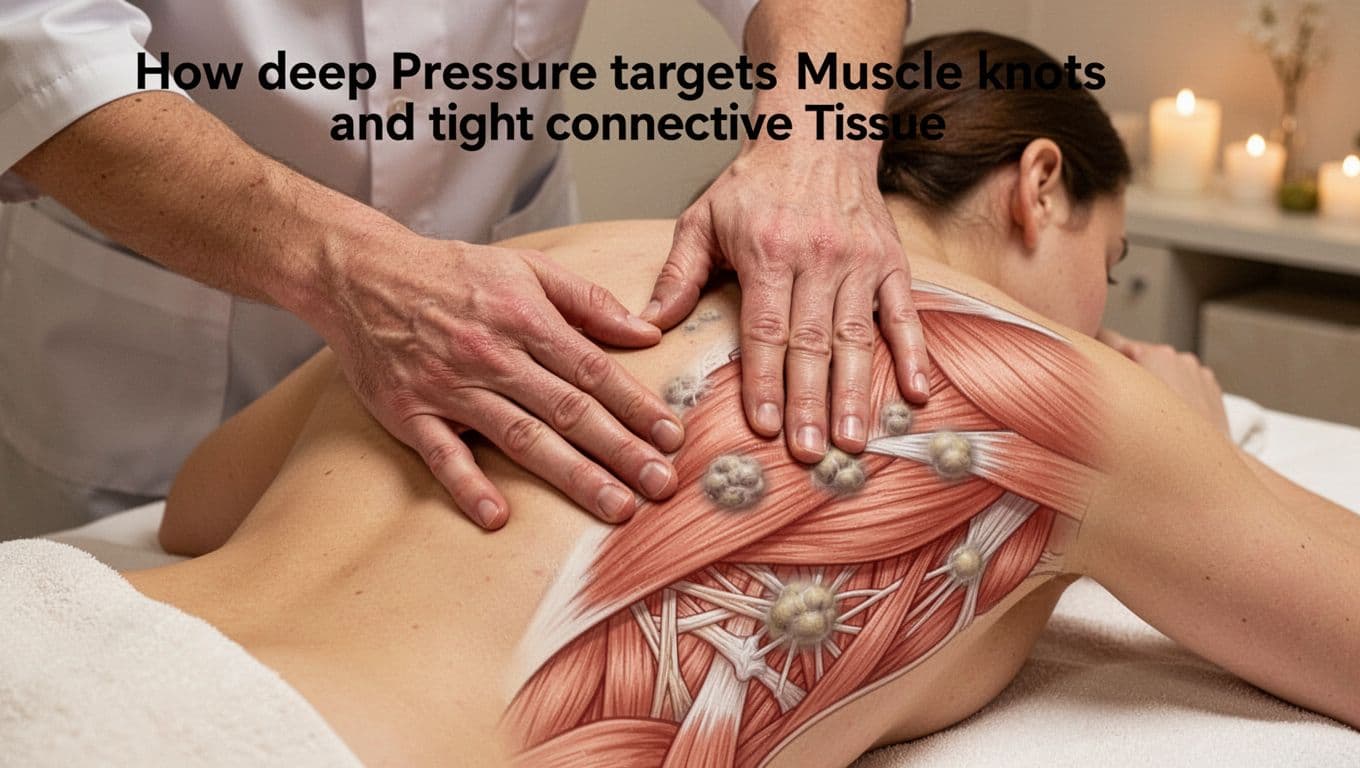
How deep pressure targets muscle knots and tight connective tissue
People often call them muscle knots, but they usually feel like small, hard, tender spots in a muscle or the tissue around it. In simple terms, these areas act like a bunched-up sweater sleeve, twisted, dense, and not moving the way it should. That can pull on nearby tissue and make a whole area feel sore or restricted.
Another common issue is adhesions. These are sticky, bound-up spots in soft tissue that can form after strain, overuse, or long periods of tension. When tissue doesn’t glide well, the area may feel tight, achy, or weak, even when you’re resting.
These problems rarely appear overnight. More often, they build slowly from daily habits and repeated strain. For example, the same shoulder position at a desk, the same running pattern, or the same heavy gym routine can load the body in one direction for weeks or months.
A few common causes tend to show up again and again:
- Repetitive movement: Lifting, typing, driving, or training the same way can overwork certain muscle groups.
- Poor posture: Slumped shoulders, a forward head, or long hours sitting can shorten and stress tissue.
- Stress: Many people hold tension in the neck, jaw, shoulders, and low back without noticing it.
- Hard training: Intense workouts can leave tissue dense and sore, especially without enough recovery.
When a therapist applies slow, deep pressure, the goal is to help these tight layers loosen and move better. That pressure may also support circulation in the area, which helps bring oxygen and nutrients into tired tissue. As a result, the area can feel warmer, less guarded, and easier to move.
In many cases, that is why Deep Tissue Massage can feel like it reaches the “real” problem. It isn’t magic, and it isn’t about forcing muscles to give up. It’s careful work on tissue that has been bracing, gripping, or sticking for a long time.
Firm pressure can help release tension, but pressure alone isn’t the treatment. Good technique, timing, and body awareness matter just as much.
The main techniques therapists use during Deep Tissue Massage
A skilled therapist doesn’t just press harder. Instead, they choose techniques based on what your body needs that day. Some areas respond well to broad pressure, while others need very specific work.
One of the most common methods is slow strokes. These long, steady passes help warm the tissue and follow the grain of the muscle. Because the pace is slower, the therapist can feel where the tissue is dense, guarded, or not gliding well.
Another technique is sustained pressure. Here, the therapist presses into a tight area and holds the contact for a short time. This gives the tissue a chance to soften instead of fighting back. It can feel intense, but it often creates a deep sense of release.
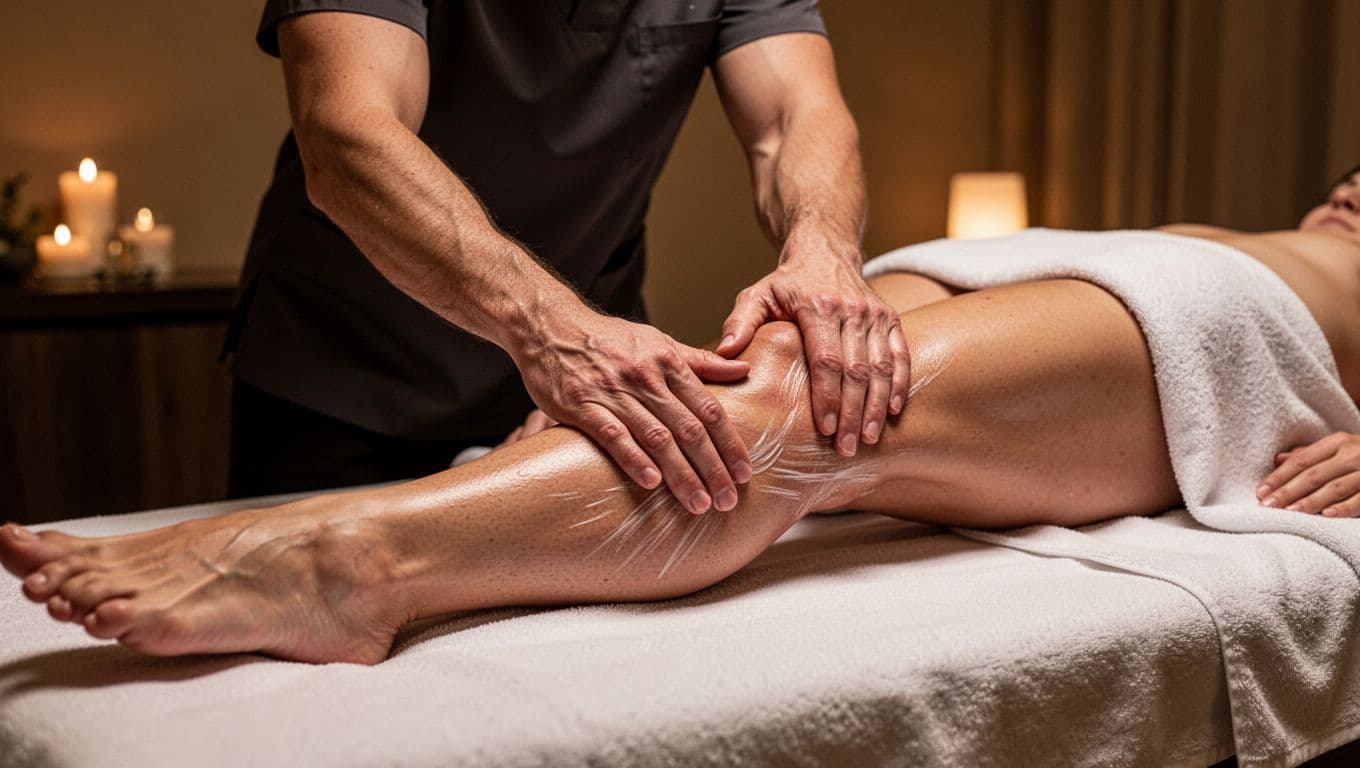
Therapists may also use trigger point work. A trigger point is a very tender spot that can hurt locally or send discomfort somewhere else. Think of it like a knot in a shoelace, small, stubborn, and affecting the whole lace. Pressing these points with care may help calm that pattern and reduce referred tension.
Then there’s friction, sometimes called cross-fiber work. This means working across the direction of the muscle or tissue fibers, not just along them. It can help address bound-up areas where tissue feels ropey or stuck.
Breathing matters too. During Deep Tissue Massage, a therapist may ask you to take a slow breath in and let it out as they work into a tight spot. That simple cue often helps your body stop bracing. When you breathe well, muscles tend to resist less, and the work becomes more effective.
Most importantly, pressure should always be adjusted to your body. A good therapist pays attention to your tension, breathing, and feedback. If you want a clearer picture of products that can support recovery between sessions, this guide to massage products for deep tissue sessions is a useful next read.
Why Deep Tissue Massage feels intense, but should still feel safe
Deep Tissue Massage can feel strong because it works on tissue that is already tight, irritated, or protective. When pressure reaches those deeper layers, your body notices. That intensity can be therapeutic, but it should still feel controlled and purposeful.
There is a big difference between good intensity and pain that feels wrong. Good intensity often feels like pressure, tenderness, or that “yes, that’s the spot” sensation. Sharp pain, burning, zapping, or the urge to pull away is different. Those are signs to speak up right away.
A simple way to think about it is this:
- Therapeutic intensity feels strong, but manageable.
- Unsafe pain feels alarming, sharp, or too much to stay relaxed through.
- Good communication helps the therapist adjust before your body starts guarding.
If you’re holding your breath, clenching your jaw, or curling away from the touch, the pressure may be too much. Saying so doesn’t ruin the session. In fact, it improves it. The best results usually happen when your body feels challenged, but not threatened.
It’s also normal to feel some soreness later, especially after work on long-held knots. That post-massage soreness can feel similar to a tough workout, dull, heavy, or tender for a day or two. Gentle movement, water, and rest often help.
What should not happen is pain that feels alarming, bruising that seems excessive, or symptoms that keep getting worse. Deep Tissue Massage is meant to help your body unwind, not push it into more stress. If you’re booking regular sessions, it also helps to understand what influences deep tissue session prices so you can plan care that fits your needs.
Deep Tissue Massage can be intense, but you should still feel safe, heard, and in control throughout the session.
When done well, the treatment works with your body, not against it. That balance is what makes deep work feel effective rather than overwhelming.
The biggest benefits of Deep Tissue Massage for pain, movement, and recovery
For many people, the biggest draw of Deep Tissue Massage is simple, they want to feel better in their body. They want less pain when they sit, stand, train, or sleep. They want to turn their head without stiffness, lift their arm without that familiar pinch, or get through the week without carrying tension like a heavy backpack.
That practical side matters. Deep work can help ease stubborn tightness, support better movement, and make recovery feel less sluggish. At the same time, results vary from person to person, and the best outcomes usually come when massage is part of a bigger plan that may include rest, movement, hydration, and good day-to-day habits.
How it may help with back pain, neck tension, and sore shoulders
Back pain, neck tension, and sore shoulders are some of the most common reasons people book Deep Tissue Massage. That makes sense, because these areas take a beating from modern life. Hours at a desk, a head tipped toward a phone, long driving commutes, and stress held in the upper body can all leave muscles working overtime.
When those muscles stay tight for days or weeks, they stop feeling like soft tissue and start feeling like rope. The upper traps, neck muscles, shoulder blades, and lower back often become dense, tender, and guarded. As a result, simple things like turning your head, reaching overhead, or sitting upright can start to feel harder than they should.
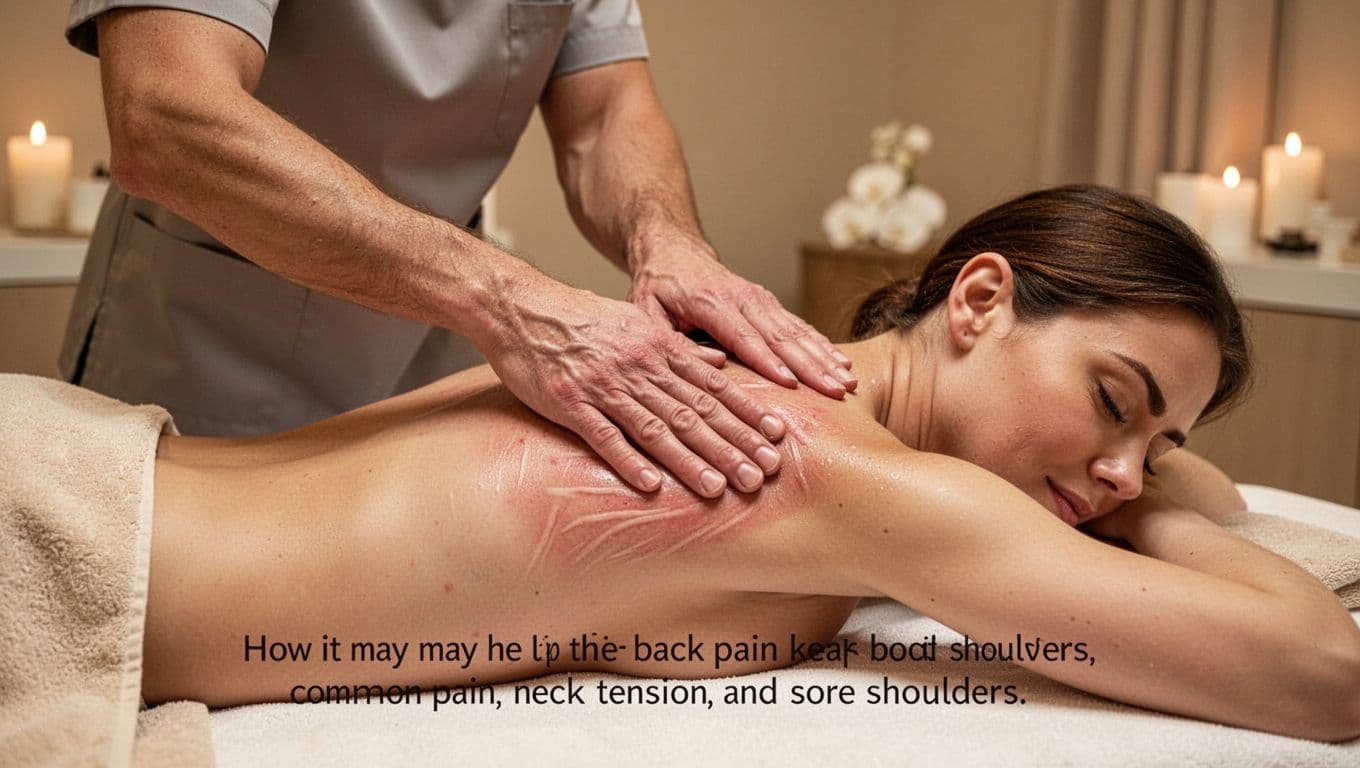
Deep Tissue Massage may help because it focuses on the layers that often stay tight the longest. Slow, firm work can calm overactive muscle areas, improve local blood flow, and help tissue glide more freely again. For some people, that means less aching pain. For others, it means the area feels lighter, warmer, and easier to move.
This is especially useful when tension builds from everyday habits such as:
- Desk work: Rounded shoulders and a forward head can overload the neck and upper back.
- Phone posture: Looking down for long periods can make the neck and shoulders feel locked up.
- Long driving hours: Staying in one position can leave the low back, hips, and shoulders stiff.
- Stress: Many people brace their jaw, neck, and upper traps without even noticing.
The key is that deeper work doesn’t just chase the sore spot. A skilled therapist often works around it too. For example, shoulder tension may also involve the chest, upper back, and neck. Low back discomfort can link to tight hips and glutes. In other words, relief often comes from treating the whole pattern, not just the loudest area.
That said, Deep Tissue Massage is not a cure-all for every kind of pain. If pain is sharp, shooting, numb, or linked to injury, it’s smart to get proper advice first. But for common muscle-based tension, many people notice that regular sessions help them stay ahead of the tightness instead of always reacting to it after the fact.
If you’re comparing treatment options, it’s also helpful to review professional deep tissue treatments and choose a session length that matches how much tension you’re carrying.
When pain comes from long-held muscle tension, the goal is not to force the body. It’s to help it let go.
Why athletes and active people often choose Deep Tissue Massage
Athletes and active people often like Deep Tissue Massage for one reason, their bodies rarely get a full break. Training stresses tissue on purpose. That’s how strength, speed, and endurance improve. Still, hard workouts can leave muscles tight, heavy, and slow to bounce back, especially when recovery is rushed.
Deep work may help by easing post-training stiffness and reducing that dense, overworked feeling in muscles. Legs can feel less loaded after heavy lower-body work. Shoulders and upper back may loosen after lifting, swimming, boxing, or racket sports. For runners, cyclists, and gym-goers, the appeal is often the same, they want to move better before the next session, not just sit around waiting to feel normal again.
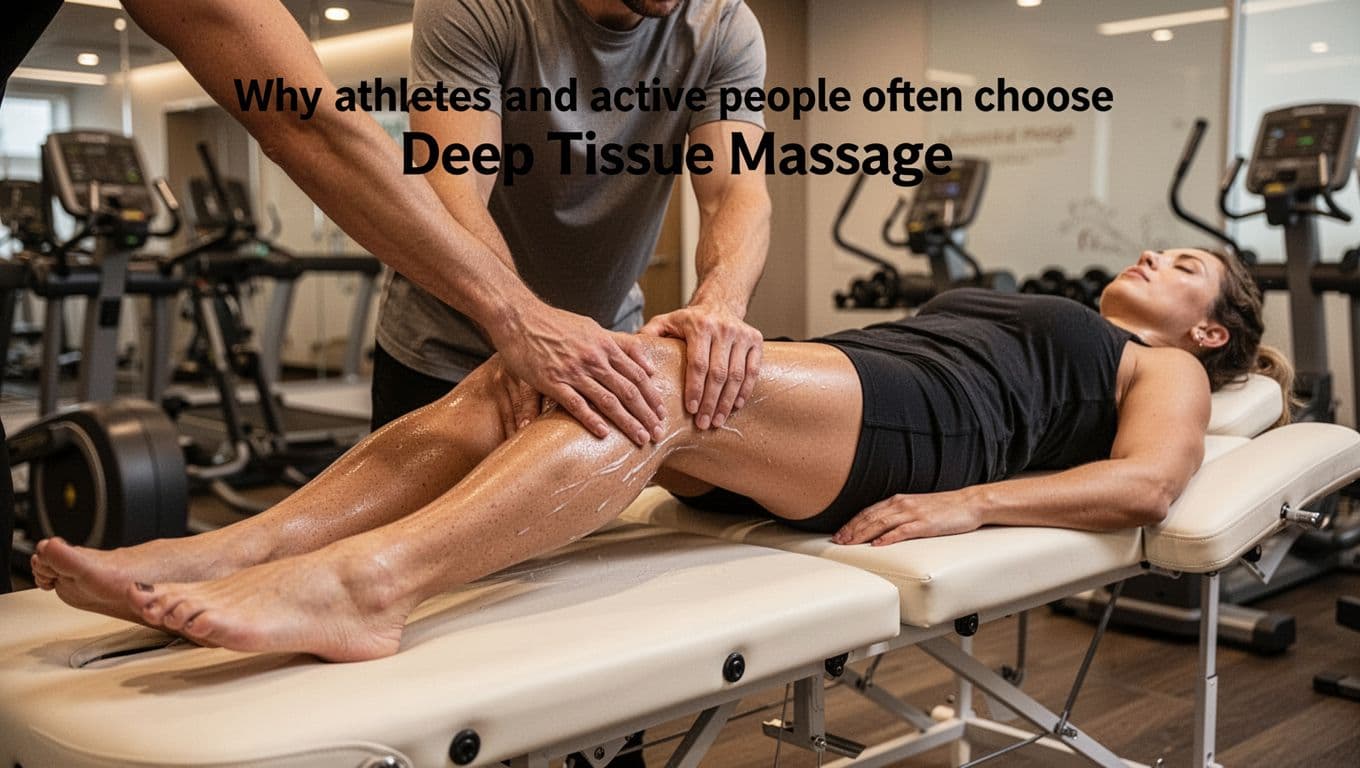
Another reason active people choose it is range of motion. Tight calves can affect ankle movement. Stiff hips can change squat depth or running form. A bound-up upper back can make pressing and pulling feel off. When tissue softens and joints move more freely, training often feels smoother and less restricted.
A few practical benefits people often look for include:
- Less stiffness after hard sessions
- Better movement quality
- Short-term relief in overworked muscles
- A sense of faster recovery between workouts
- More comfort during stretching and mobility work
Still, realistic expectations matter. Deep Tissue Massage doesn’t replace sleep, nutrition, smart programming, or rest days. It works best as one piece of a larger recovery plan, not the whole plan by itself. If training load stays too high and recovery stays too low, no massage can fully outwork that math.
Timing also matters. Some people love a session after a tough training block, while others prefer it on easier days. Right before competition, very deep work may not feel ideal for everyone. Since bodies respond differently, it helps to pay attention to how you feel in the next 24 to 48 hours.
Recent findings have supported what many active people already report, massage may help with soreness, flexibility, and recovery when used consistently. Even so, the biggest wins usually come from regular care and sensible training habits, not from one heroic session.
The stress and sleep benefits people often notice after a session
Pain and stress often travel together. When you’re tense, your muscles tighten. Then tight muscles can make you feel even more on edge. Deep Tissue Massage may interrupt that loop by giving the body a clear signal that it can stop bracing for a while.
That mind-body effect is one of the most underrated benefits. Although the pressure can feel strong during the session, many people leave feeling calmer afterward. Their breathing slows. Their jaw softens. Their shoulders drop without effort. It’s a bit like turning down the volume on background noise you didn’t realize was always there.

For some people, this calmer state leads to better sleep later that day or night. There are a few likely reasons. First, the body may feel less sore, so it’s easier to settle into bed. Second, relaxation after massage can make the nervous system feel less revved up. Third, when stress drops, the mind often stops racing quite so hard.
People commonly describe the post-session feeling in simple ways:
- Looser and lighter
- More relaxed
- In a better mood
- Less mentally wound up
- Sleepy in a good way
Of course, massage won’t fix every sleep problem. If poor sleep comes from major stress, a medical condition, or an irregular routine, the effect may be limited. Yet many people still find that Deep Tissue Massage helps them unwind enough to fall asleep more easily, or at least rest more deeply for a night or two.
This benefit can be especially noticeable when tension has been building quietly in the background. You may not realize how much energy your body spends clenching until that grip finally eases. Then the shift feels obvious. You breathe deeper. You move slower. Your mind feels less crowded.
In short, Deep Tissue Massage isn’t only about muscles. It’s also about helping the whole system settle. And when your body feels safer and less tense, better rest often has a chance to follow.
Who should try Deep Tissue Massage, and when it may not be the right choice
Deep Tissue Massage can be a great match for the right person, but it isn’t the best fit for every body on every day. Some people need focused pressure to work through long-held tightness. Others feel better with a lighter, more soothing approach.
The key is knowing your goal. If you want help with stubborn tension, deep work may make sense. If you mainly want to relax, settle your nervous system, or ease into massage for the first time, gentler work may serve you better.
Signs Deep Tissue Massage could be a good fit for you
If your body often feels tight in the same places, Deep Tissue Massage may be worth trying. This is especially true when the tension feels deep, familiar, and hard to stretch away. You might notice it in your neck, shoulders, low back, hips, or legs.

A few signs tend to stand out. You may relate to several of them, not just one:
- Chronic tightness: Your muscles feel stiff most days, especially after sitting, standing, or working for long hours.
- Recurring knots: The same sore spots keep coming back, like a tight rope in the shoulder blade or a tender band in the calf.
- Post-workout soreness: You train hard, stay active, or do physical work, and your muscles feel heavy long after the effort ends.
- Limited movement: Turning your head, reaching overhead, bending, or squatting feels restricted.
- Old tension patterns: You carry the same strain from posture, repeated movement, or past overuse.
- Stress held in the body: Your jaw clenches, your shoulders creep up, or your back stays braced even when you’re trying to relax.
In other words, this style often suits people who feel like their body is always “on.” Office workers, gym-goers, runners, busy parents, and people with physically demanding jobs often fall into that group. If your muscles feel packed, guarded, or stuck, deep work can feel like finally getting to the layer that needs attention.
It can also help if lighter massage has felt nice, but not quite enough. Some people enjoy a relaxation session and still leave with the same knot sitting there like a pebble in a shoe. In that case, more focused pressure may be the next step.
That said, a good fit doesn’t mean you need the deepest pressure possible. It simply means your body may respond well to slower, more targeted work. The best sessions are not a contest. They are specific, controlled, and built around what your tissue can handle.
If your tension feels deep, keeps returning, and limits how you move, Deep Tissue Massage may be the kind of help your body has been asking for.
When a gentler massage may be the better option
Sometimes the right choice is not more pressure, but a different goal. If you mainly want to relax, settle down, and enjoy soothing touch, a gentler massage may suit you better than Deep Tissue Massage.
For example, Swedish massage usually uses lighter to medium pressure, longer flowing strokes, and a more calming rhythm. It can still ease surface tension and help you feel better in your body. However, it tends to focus more on relaxation than on working through dense, stubborn knots.
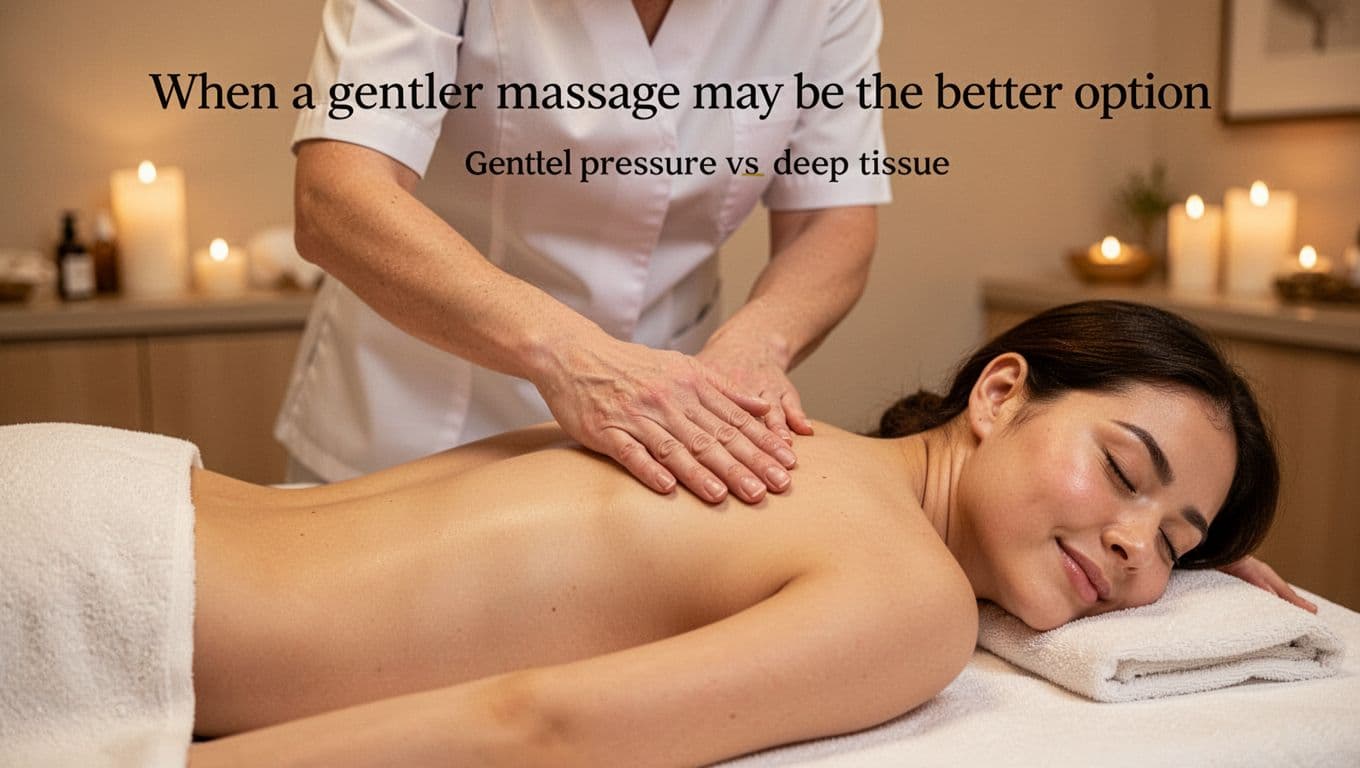
A lighter approach often makes more sense if:
- you’re a first-time client and don’t yet know how your body responds to massage,
- you’re very sensitive to pressure or tend to tense up quickly,
- you feel run-down and want comfort more than corrective work,
- your stress feels more like nervous system overload than muscle density,
- you simply prefer massage to feel soft, calming, and restorative.
Think of it like choosing between a deep stretch and a warm bath. Both can help, but they help in different ways. One asks the tissue to change. The other helps the whole system settle.
This matters because deeper isn’t always better. If your body reacts to firm pressure by clenching, holding your breath, or feeling overwhelmed, the session can become less useful. On the other hand, gentler work may help you relax enough that your muscles soften on their own.
Many people also build up gradually. You might start with Swedish or relaxation-focused bodywork, then try focused deep work later once you trust the process and know your limits. That’s a smart path, not a lesser one. The best massage is the one your body can receive well.
Important precautions to know before you book
Deep work is helpful, but timing matters. There are situations where Deep Tissue Massage should be delayed, modified, or cleared by a medical professional first. This doesn’t mean you should panic. It just means your body may need a different kind of care right now.
A few common situations call for extra caution:
- Recent injury: Fresh strains, sprains, tears, or impact injuries usually need time before deep pressure makes sense.
- Severe inflammation or swelling: Hot, swollen, or sharply painful areas are not good targets for deep work.
- Fever or illness: If you’re sick, your body needs rest, not an intense massage session.
- Skin infection or open skin issues: Massage should wait until the area has healed.
- Blood clot risk: If you have a history of clots, unexplained leg pain or swelling, or a known clotting risk, get medical advice first.
- Bleeding disorders or blood-thinning medication: Deep pressure may raise the risk of bruising or other problems.
- Recent surgery: Healing tissue needs medical clearance and a therapist who knows how to work around recovery.
- Certain medical conditions: Some heart, nerve, vascular, autoimmune, or bone conditions may require changes in pressure or technique.
- Pregnancy: Massage can still be helpful, but deep pressure in some areas may not be appropriate, especially without proper training and guidance.
If any of those apply, the safest move is simple: tell the therapist before the session. A skilled professional can adjust pressure, avoid certain areas, or recommend a gentler treatment instead. Sometimes the answer is “not yet,” and that’s still good care.
It’s also smart to pause if your pain feels sharp, hot, sudden, numb, or unexplained. Muscle tension usually feels achy, stiff, or heavy. When pain feels different from that, it deserves more attention before you book.
Medical advice is especially useful when symptoms linger, keep getting worse, or follow surgery, injury, or a diagnosed condition. Massage can be part of the plan, but it shouldn’t replace proper care when your body is waving a bigger red flag.
In short, Deep Tissue Massage is often best for ongoing muscle tension, movement limits, and body-held stress. But if your body is inflamed, healing, medically complex, or highly sensitive, a lighter or delayed approach may be the wiser choice.
What to expect before, during, and after a Deep Tissue Massage session
If you already know Deep Tissue Massage can feel intense, the next question is usually practical: what will the actual appointment be like? Knowing the flow helps you relax before you even walk in. It also makes it easier to speak up, settle in, and get more out of the session.
The full experience is usually simple and professional. You book, arrive, talk through what your body needs, receive focused work, and then give your muscles a little support afterward. When you know what each stage looks like, the session feels less mysterious and a lot more useful.
How to prepare so your session works better for your body
Good prep starts before you get on the table. The goal isn’t to do anything fancy. You just want to arrive with a body that’s ready to receive pressure, not one that’s rushed, dehydrated, or stressed from the start.
Start with water. Hydration helps muscles stay more pliable, which can make deep work feel smoother and less sharp. You don’t need to chug a huge bottle right before the session, but it helps to drink well through the day before and the day of your appointment.

Timing matters too. Arriving a little early gives you time to settle down, use the restroom, and fill out any forms without feeling flustered. If you rush in tense, your body often stays tense on the table.
Before the session, be open about your health history. Tell the therapist about old injuries, current pain, surgery, medications, skin issues, or areas that bruise easily. Also mention what you want from the treatment. Maybe it’s your neck, your low back, or tight calves after training. That information helps shape the session.
A few simple choices can make the appointment go better:
- Wear comfortable clothes: Choose loose, easy-to-change clothing so you feel relaxed before and after.
- Eat light: A heavy meal can make deep pressure feel uncomfortable, especially face down.
- Take a warm shower if you can: Warmth can help your body soften before the massage.
- Think about your goal: Relief, mobility, recovery, or stress release? A clear goal gives the session direction.
The more clearly you describe what you’re feeling, the easier it is for the therapist to work in the right places.
It also helps to think about pressure before you arrive. Some people ask for “very deep” when what they really want is effective. Those are not always the same thing. A smart session matches your body’s tolerance, not your pain threshold.
What happens on the massage table, step by step
Most Deep Tissue Massage sessions begin with a short consultation. This is where you and the therapist talk through problem areas, pressure preference, and any changes since your last visit. Then you’ll be shown how to get on the table and cover yourself with the sheet or towel. You only undress to your comfort level.
Once the session starts, the therapist usually doesn’t go straight into maximum pressure. First, they warm the tissue with lighter or broader strokes. Oil or lotion helps the hands glide, which makes the work feel more controlled and less draggy on the skin.
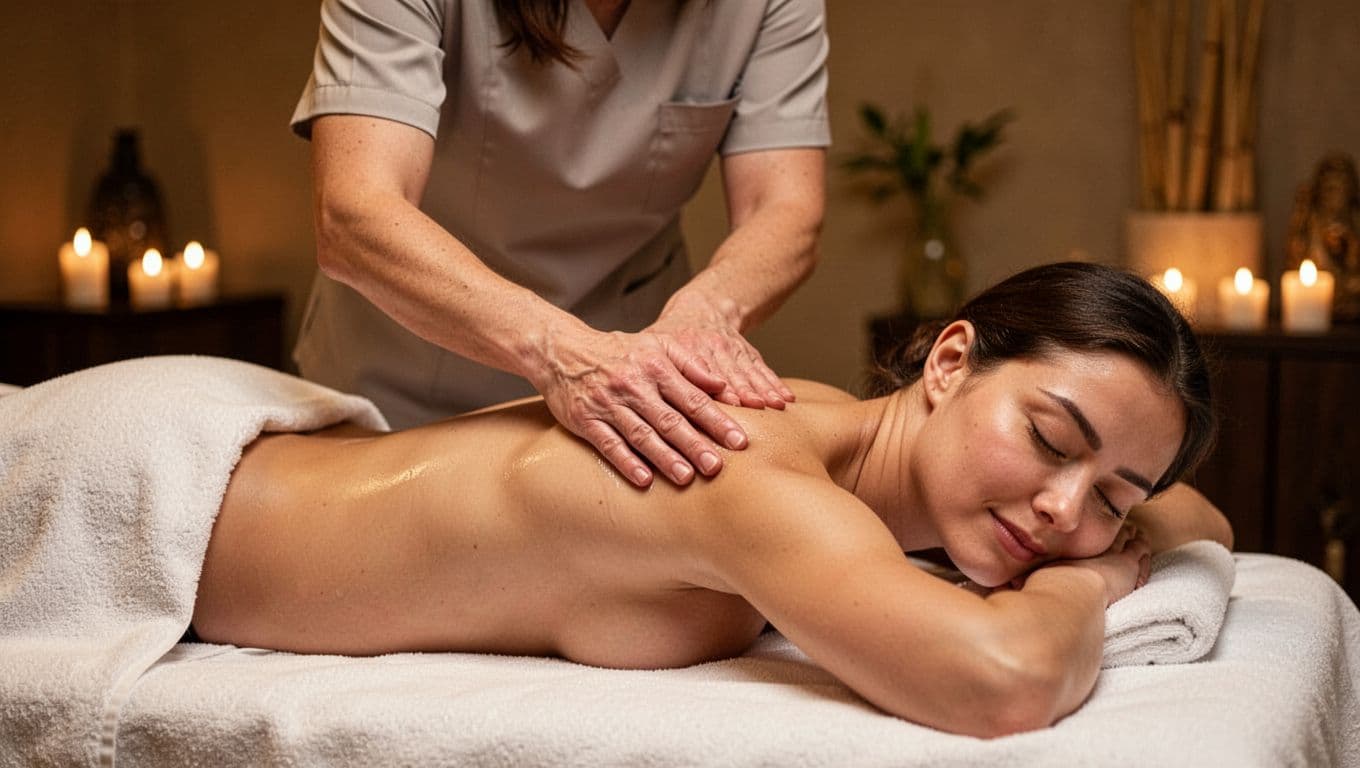
After that, the therapist begins the deeper part of the work. Pressure often comes through hands, thumbs, forearms, knuckles, or elbows, depending on the area. The pace is usually slow. That matters because deep work is less about force and more about steady contact that lets tight tissue release.
A typical session often follows this rhythm:
- Check-in and setup: You review goals, health notes, and comfort level.
- Warm-up work: The therapist uses lighter strokes to prepare the muscles.
- Focused deep pressure: More attention goes to knots, dense bands, and stubborn tension.
- Pressure checks: You may be asked if the pressure feels manageable, or you can speak up anytime.
- Repositioning: You might turn from face down to face up, or adjust an arm or leg for better access.
- Cool-down strokes: The session may finish with lighter work so your body doesn’t leave in a guarded state.
Breathing plays a bigger role than many people expect. When the therapist works into a tight spot, slow breathing helps your body stop bracing. If you hold your breath, clench your jaw, or curl away, the muscle often resists the work. In other words, your breath is part of the treatment.
You may also notice that the therapist spends more time on a few key problem spots than they would in a relaxation massage. That’s normal. Deep Tissue Massage is often more targeted and less “full-body flow” than Swedish massage. If your right shoulder has been acting like a brick wall for weeks, that area may get extra time.
Strong pressure can feel intense, but it should still feel productive, not alarming. A useful rule is simple: discomfort that’s deep and manageable is usually okay; sharp, hot, or electric pain is not. Say something right away if the pressure crosses that line. Speaking up helps the session, it doesn’t interrupt it.
The best aftercare tips for less soreness and longer lasting results
Once the massage ends, you may feel looser right away, or you may feel a bit tender once you stand up. Both can be normal. Deep Tissue Massage often leaves behind the same kind of soreness you feel after a hard workout, especially if the therapist worked on long-held tension.
The first step after your session is simple: drink water. This won’t erase soreness on its own, but it supports recovery and helps you feel better overall. Keep sipping through the rest of the day instead of trying to catch up all at once.

Gentle movement usually helps more than total stillness. A short walk, easy stretching, or light mobility work can keep the area from tightening back up. Think of it like keeping a door swinging smoothly after you’ve finally unstuck the hinge.
A few aftercare habits make the biggest difference:
- Keep moving lightly: Walk, change positions, and avoid sitting stiff for hours.
- Stretch gently: Focus on the areas that were worked, but don’t force range of motion.
- Use heat if it feels good: Warmth can help with stiffness, especially later in the day.
- Rest from hard training: Give your muscles time before jumping into intense exercise.
- Pay attention for 24 to 48 hours: Mild soreness is common, but worsening pain is not.
Heat can be helpful when the body feels tight and achy. A warm shower or heating pad may settle the area. Still, if something feels inflamed, swollen, or unusually irritated, heat may not be the best choice. In that case, it’s smarter to pause and monitor how the area responds.
Rest matters too, even if you feel great right after the session. Some people leave feeling light and mobile, then notice soreness later that evening or the next morning. That’s why it’s wise to skip very hard workouts, heavy lifting, or anything that asks a lot from already-worked tissue.
Most importantly, notice how your body reacts. Some people bounce back fast. Others need a day or two. If you feel looser, sleep better, and move more easily, that’s a strong sign the session landed well. If the soreness feels excessive or something doesn’t seem right, contact the therapist and let them know.
How to get the most from Deep Tissue Massage over time
One good session can bring relief. Still, the best results usually come from a pattern, not a one-time fix. If you love Deep Tissue Massage, it helps to think of it like exercise or skincare, consistency and simple daily habits often matter more than one intense effort.
That doesn’t mean you need to book constantly. It means paying attention to your body, being honest during each session, and giving the work some backup between visits. When those pieces line up, the benefits tend to last longer.
How often to schedule sessions for different needs
There isn’t one perfect schedule for everyone. Your ideal rhythm depends on what your body is dealing with, how active you are, and how you respond after each session. That’s why frequency is best treated as a conversation with a qualified therapist, not a fixed rule.
For occasional maintenance, many people do well with a session every few weeks or about once a month. This kind of schedule often works when you want to stay ahead of stiffness, keep movement feeling easy, and avoid letting tension pile up again. Think of it as regular tune-ups, not emergency repairs.
During high-stress periods, tighter spacing can make sense. If work is intense, sleep is off, or you’re carrying stress in your neck and shoulders, a session every couple of weeks may feel more useful for a short stretch. Then, once life settles, you can often space visits out again.
If you’re in a hard training season, Deep Tissue Massage may help most when it’s timed around workload and recovery. Some active people book every week or two during heavy blocks, while others do better with less frequent sessions because they need more recovery time after deep work. The point isn’t to chase soreness. It’s to support how you move and bounce back.
For chronic tension patterns, such as the same locked-up shoulders or low back tightness that keeps returning, a more regular start can help. Weekly or every-other-week sessions are common early on, then many people taper to maintenance once things improve. That’s often more effective than waiting until the body feels like a knotted rope again.
A simple way to think about it is this:
- Maintenance: spaced-out sessions to keep tension from building
- Stress spikes: slightly more frequent sessions for a short period
- Training phases: timed around workload, soreness, and recovery
- Chronic tightness: more regular early support, then less often later
If you’re very sore after a session, that matters too. More is not always better. A good therapist can help you find the sweet spot between enough pressure and enough time to recover.
Why honest feedback makes every session more effective
Deep Tissue Massage works better when the therapist knows what your body is actually saying. That means speaking up before, during, and after the session. You don’t need the perfect words. Clear, simple feedback is enough.
Start with the basics. Mention where you feel tight, what areas are sensitive, and whether pain is dull, sharp, heavy, or spreading. If you’ve had an injury, bruising, headaches, nerve-like pain, or recent strain, say that too. Those details help shape a safer session.
Pressure matters just as much. Many people stay quiet because they don’t want to seem difficult. But silence can work against you. If the pressure feels too strong, too light, or wrong for that area, say so. Good deep work should feel intense but manageable, not like your body is bracing for impact.
Honest feedback also helps with goals. For example, maybe you want to:
- reduce shoulder tension from desk work,
- recover better during a training block,
- improve movement in a tight hip, or
- calm stress that keeps showing up in your back and jaw.
Those goals can change the whole session. A therapist may spend more time in one area, adjust technique, or ease off if your body is guarding.
The best Deep Tissue Massage is not the deepest one. It’s the one your body can receive well.
After the session, share what changed. Did you feel looser, sore, lighter, or unusually tender the next day? That feedback helps fine-tune the next visit. Over time, that kind of communication turns massage into a smarter process, not just a repeated appointment.
Simple habits that help your results last longer between visits
Massage can open the door, but your daily habits help keep it open. You don’t need a long routine. Small actions done often can make a real difference.

Start with posture breaks. If you sit a lot, get up every 30 to 60 minutes. Roll your shoulders, stand tall, and walk for a minute. This stops your body from slipping right back into the same tight pattern.
Add a little stretching, but keep it gentle. A few minutes for the chest, hips, hamstrings, calves, or upper back can help muscles stay more comfortable between sessions. Think easy and regular, not forced and painful.
Then look at the basics that are easy to ignore:
- Sleep: tired bodies hold tension more easily and recover more slowly
- Stress management: slow breathing, short walks, and quiet time can help your muscles stop clenching
- Hydration: staying well-hydrated supports how your body feels and recovers
- Strength work: simple strength training can help you hold better posture and reduce repeat strain
- Recovery habits: light movement, warm showers, and rest days all support the work massage starts
Strength matters because loose muscles without support often tighten again. If your upper back is weak or your hips are doing too much sitting, massage may help, but basic strength can help the change last longer.
In the end, lasting results usually come from three things working together: a smart schedule, honest communication, and simple daily care. If you want Deep Tissue Massage to do more than give short-term relief, that’s the formula worth sticking with.
Conclusion
Deep Tissue Massage stands out because it goes beyond surface-level comfort. When deep muscle tension, post-workout soreness, or stress keep showing up in the same places, this style of massage can bring real relief. The biggest takeaway is simple, it works best when a skilled therapist matches the pressure and technique to your body, your goals, and your comfort level.
That balance matters. Deep Tissue Massage should feel focused and effective, not harsh or overwhelming. So if your body responds well to firm, targeted work, it can help you move better, recover faster, and carry less built-up tension day to day. At the same time, the best results often come when you listen to your body, speak up during the session, and give yourself proper recovery afterward.
It’s also worth remembering that deeper isn’t always better. The right massage is the one that fits what you need right now, whether that’s deep corrective work or a gentler session that helps your whole system settle. If you’re ready for targeted relief, schedule a session with Monica Betty and choose care that matches your body, not just your pain tolerance.
Above all, Deep Tissue Massage is at its best when it’s thoughtful, personalized, and done with skill. When those pieces line up, it can be one of the most useful tools for easing stubborn tension and helping you feel more at home in your body.