
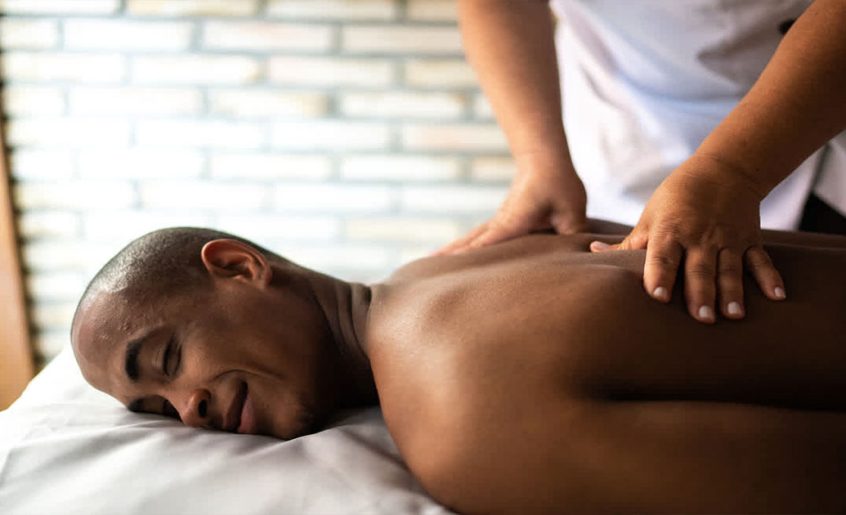
Massage Benefits, Types, and What to Expect in 2026
Modern life can leave your body feeling tight and your mind running on empty. Long hours at a desk, hard workouts, poor sleep, and daily stress all add up, so it’s no surprise that more people are turning to massage to feel better, move better, and slow down for a while.
In simple terms, massage is hands-on bodywork that helps relax muscles, ease tension, reduce stress, and support overall wellness. It’s been practiced for centuries, yet it still fits easily into modern life because it can help with both physical discomfort and mental fatigue.
Today, massage is more than a once-in-a-while treat. Many people now book sessions for pain relief, better sleep, workout recovery, and stress support. Research and current wellness trends also show that massage remains a popular option for people who want practical, natural ways to care for their bodies.
This article will break down what massage is and how it works, in clear and simple terms. It will also cover the main types of massage, the benefits you can expect, how to choose the right session for your needs, and what to know before you book.
So whether you’re new to massage or just want a better sense of your options, you’re in the right place. By the end, you’ll have a clearer idea of which style may suit you best, what happens during a session, and how massage can become a useful part of your wellness routine.
What massage is and why so many people make it part of self-care
Massage has stayed popular for a simple reason: it helps people feel better in ways they can notice. For some, that means less neck tension after work. For others, it means deeper sleep, a calmer mind, or faster recovery after exercise. In everyday life, massage sits in that useful space between comfort and care, because it can feel good in the moment and still support your body after the session ends.
People also make massage part of self-care because it meets real needs. Stress builds up. Muscles tighten. Poor posture shows up in the shoulders, hips, and lower back. A good session gives your body a chance to reset, even if only for an hour, and that reset can carry into the rest of your week.
A simple definition of massage and how it works in the body
At its core, massage is the use of touch, pressure, and movement to work on muscles and other soft tissues. A therapist may press, knead, glide, stretch, or hold certain areas to help your body let go of tension. Think of it like smoothing knots out of a tangled rope. The goal is not just pressure, it’s the right kind of pressure in the right place.
When muscles stay tight for too long, they can feel sore, stiff, or heavy. Massage helps by encouraging those tight areas to soften and lengthen. As the hands move across the body, blood flow can improve, which helps bring oxygen and nutrients to overworked tissue. That’s one reason many people say they feel lighter or looser after a session.
Massage can also calm your nervous system. Slow, steady touch often tells the body that it’s safe to relax. As a result, breathing may slow down, the jaw may unclench, and the whole body can shift out of that always-on state. If stress has you feeling wound up like a spring, massage can help the body unwind.
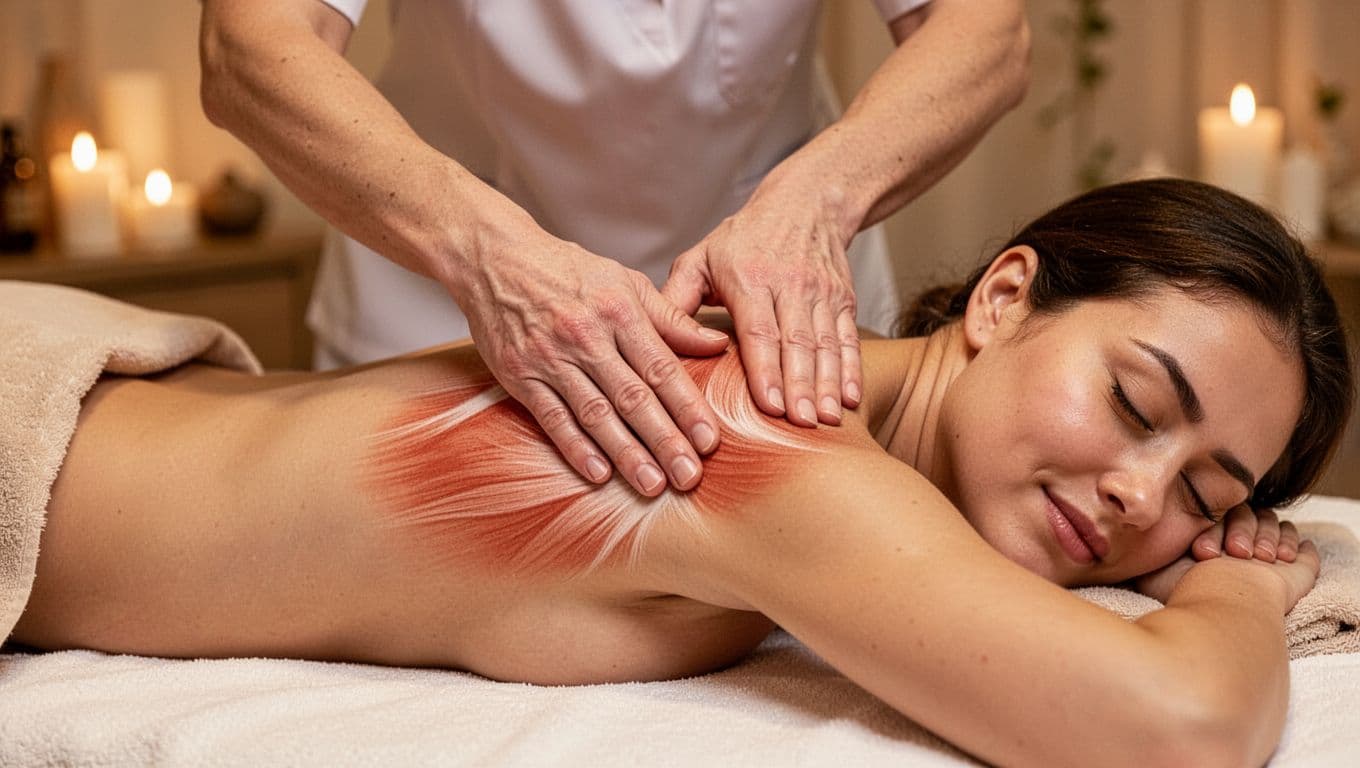
That sense of ease is a big reason people come back. Some book massage for pure relaxation, while others want help with practical issues such as:
- Muscle soreness after workouts or long days on their feet
- Built-up tension from desk work or poor posture
- Stress and mental fatigue that show up in the body
- Poor sleep linked to discomfort or a busy mind
In short, massage works on both the body and the stress that lives inside it.
How massage moved from ancient healing practice to modern wellness routine
Massage has deep roots, and that history helps explain why it still matters today. In India, early healing systems used touch and bodywork as part of whole-body care. In China, massage was tied to balance, movement, and energy flow. Egyptian and Greek traditions also included rubbing and pressure to support health, recovery, and physical strength.
Later, the Romans brought massage into bath culture, where it was used for comfort, circulation, and post-exercise care. Over time, these traditions shaped how people understood hands-on healing across many parts of the world.
A major shift came in the 1800s with the rise of Swedish massage in Europe. This approach organized massage into methods such as long gliding strokes, kneading, friction, tapping, and movement of the joints. That structure made massage easier to teach, practice, and bring into clinics, spas, and wellness spaces.
Today, massage has a modern place in self-care because it fits both old wisdom and current needs. It can support relaxation, recovery, and stress relief, which is why it feels just as relevant now as it did centuries ago.
Why massage is more personalized now than it used to be
Massage is no longer seen as one standard session for everyone. In 2026, people expect care that matches their body, their stress level, and their goals. That shift has made massage more personal, more thoughtful, and often more useful.
A skilled therapist now looks at the full picture. You might talk about pain points, posture, sleep, workout habits, old injuries, or how stress shows up in your body. From there, the session can change in real time. One person may need slow, calming work to settle the nervous system. Another may want focused pressure in the shoulders and hips after days of sitting.
The best massage is not the deepest one, it’s the one that fits what your body needs that day.
That personalized approach also includes results-driven care. Some sessions aim to reduce soreness. Others focus on mobility, tension relief, or helping you feel more rested. In many places, therapists are also using a more trauma-informed style of care. That means they pay close attention to comfort, consent, pace, communication, and choice throughout the session.
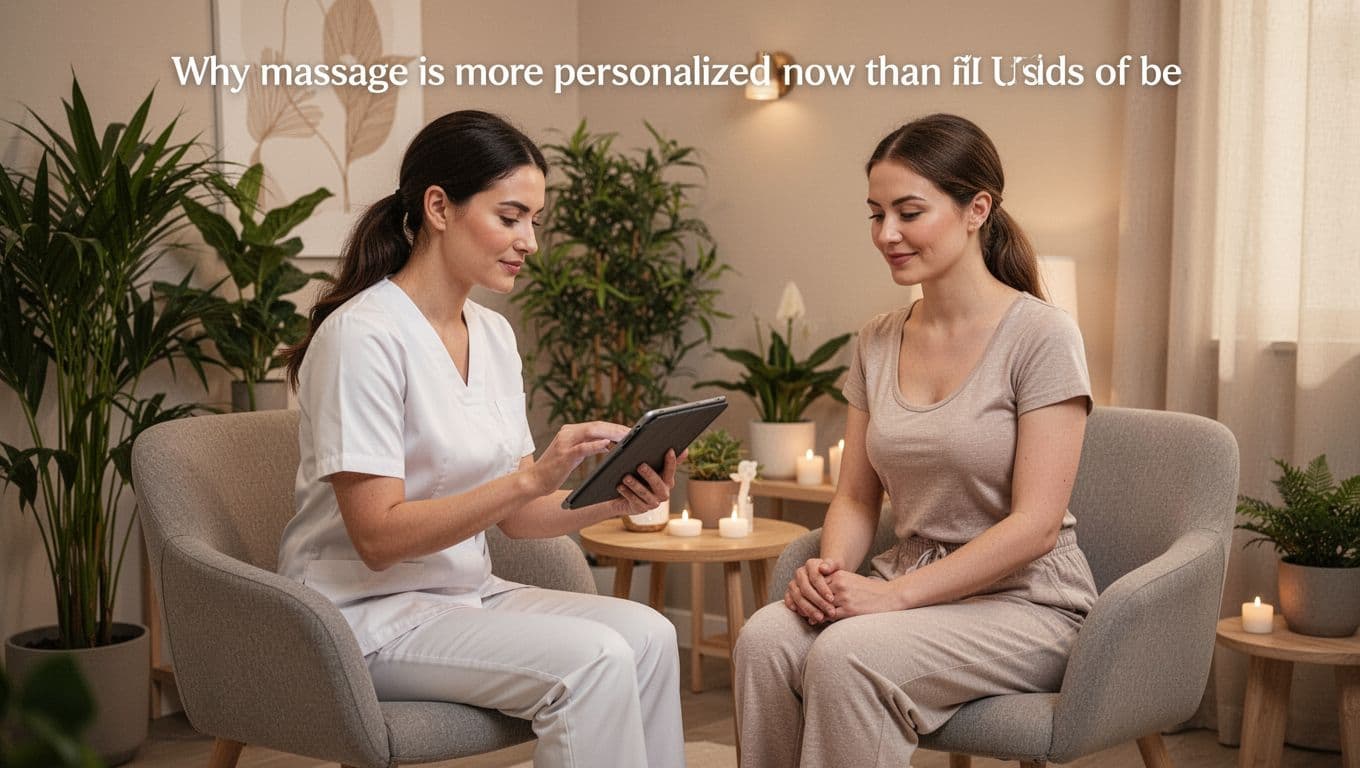
This matters because people don’t carry stress the same way. Some hold it in the neck and jaw. Some feel it in the lower back. Others need a gentler approach to feel safe enough to relax. A strong session plan respects those differences.
So while massage still offers that classic feeling of calm, it has become much more tailored. That’s a big reason it remains a trusted self-care habit for first-timers and regulars alike.
The main benefits of massage, from relaxation to pain relief
Massage can feel good right away, but its real value goes deeper than that. A well-planned session can help your body shift out of tension, while also giving your mind a break from the constant noise of daily life.
That mix is what makes massage so useful. It may help lower stress, ease sore muscles, support better sleep, and make ongoing aches feel more manageable. Still, the effects are not magic. For many people, the best results come from the right type of massage, the right pressure, and some consistency over time.
How massage helps lower stress and calm the mind
When stress builds up, your body often acts like it’s bracing for impact. Your shoulders rise, your breathing gets shallow, and your heart may stay a little too switched on. Massage helps interrupt that pattern.
Research continues to show that massage may help lower cortisol, which is one of the body’s main stress hormones. At the same time, calming touch can support the body’s relaxation response. In simple terms, that means your system starts moving away from fight-or-flight and back toward rest. As this happens, heart rate often slows, breathing gets easier, and the body begins to feel safer and quieter.
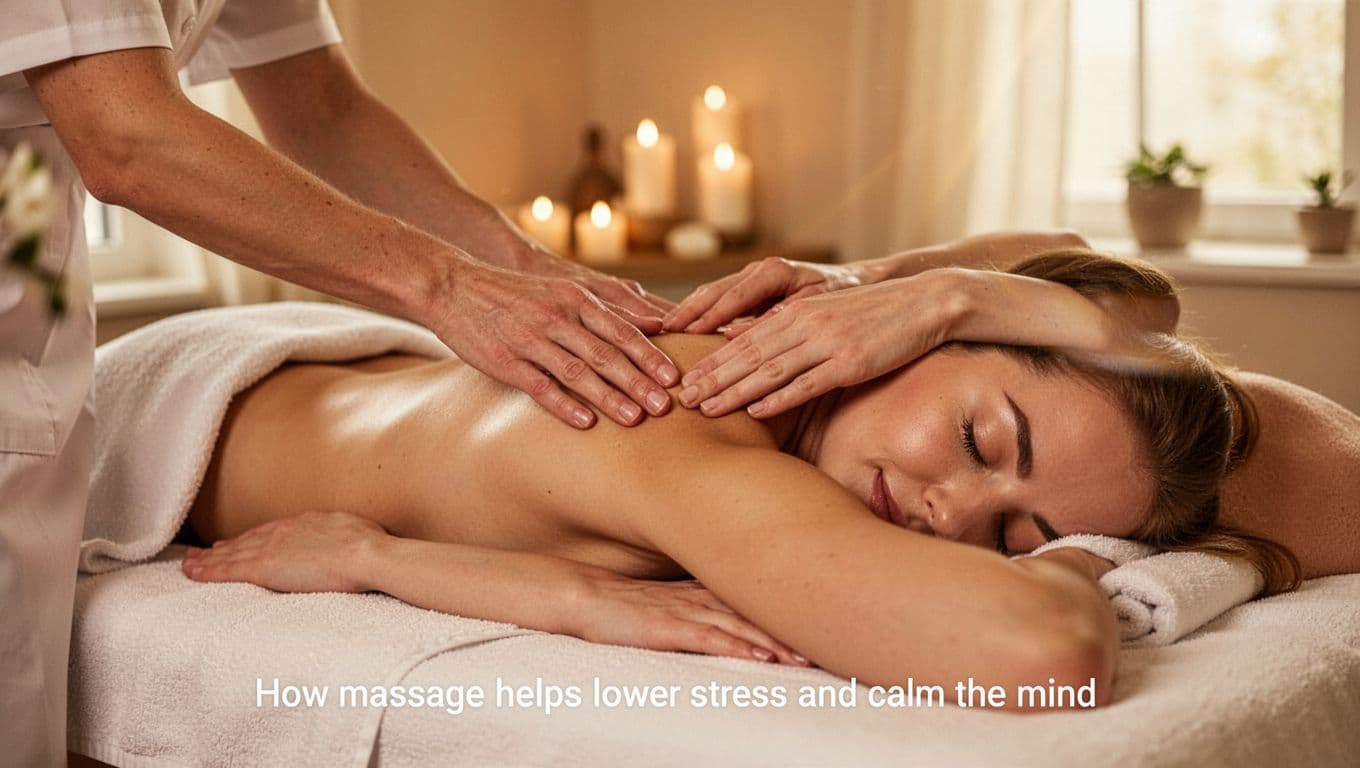
That change is not just physical. Many people notice that their thoughts stop racing during a session. The mind doesn’t always go silent, but it often softens. You may feel more present, more grounded, and less pulled in ten directions at once.
Even a short session can help. You do not always need a long appointment to notice a difference. A focused 30-minute massage on the neck, shoulders, or back may still help you feel calmer, looser, and more settled afterward.
Massage doesn’t erase stress from your life, but it can help your body stop carrying all of it at once.
This is one reason massage is often used as part of a larger stress-care routine. If you’ve been feeling wound tight, like a fist that never opens, massage can help that grip loosen.
When massage can help with muscle tension, soreness, and chronic aches
Muscle tension rarely shows up out of nowhere. It builds from desk work, hard training, poor posture, repetitive motion, stress, and long days that never seem to end. Massage can help by working into those tight, guarded areas and encouraging them to release.
A lot of people first book a massage because of tight shoulders, a stiff neck, low back discomfort, or sore legs after exercise. Those are common reasons, and they make sense. Massage may help improve tissue mobility, reduce that heavy or knotted feeling, and ease post-workout soreness. It can also support recovery after overuse, especially when the same muscles keep doing the same job every day.
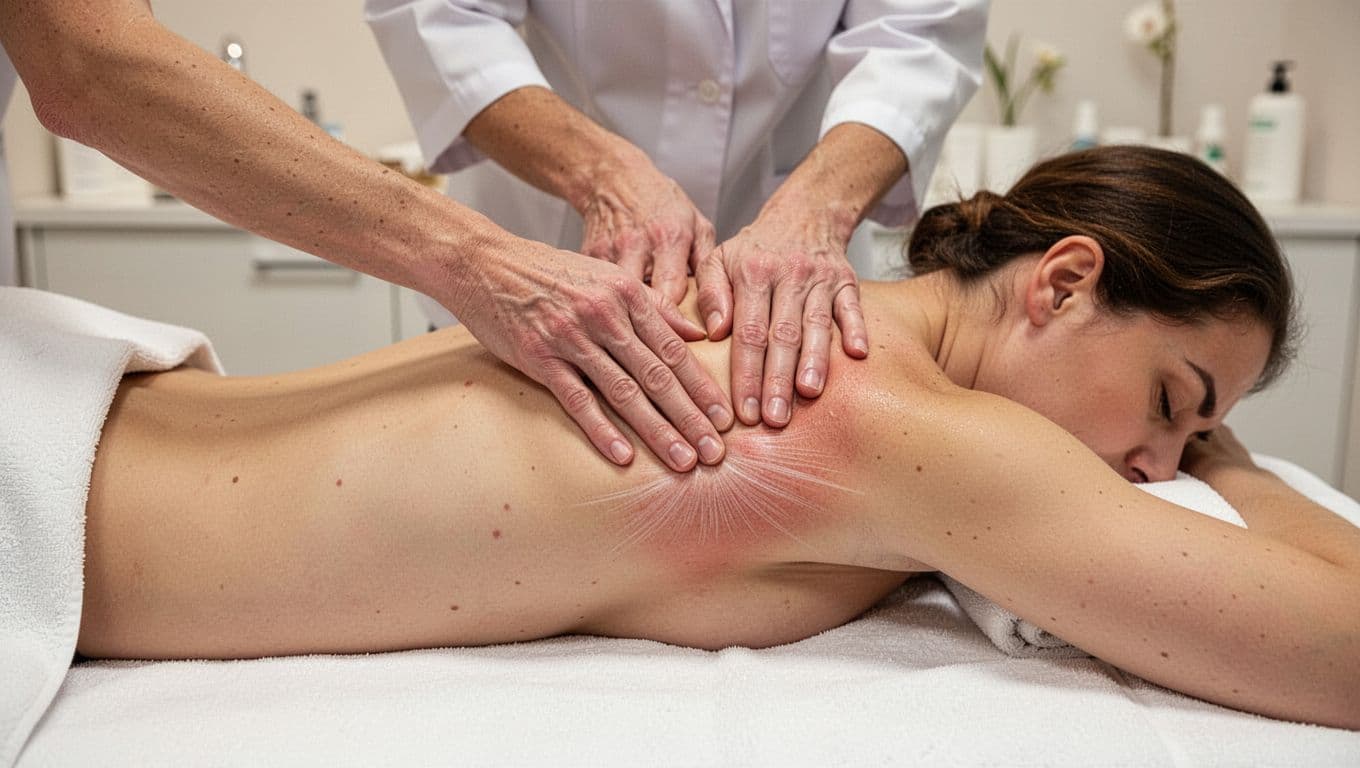
For example, massage may be useful if you deal with:
- Upper back and shoulder tightness from laptop work or driving
- Lower back stiffness after sitting too long
- Sore calves and thighs after workouts or long walks
- Chronic neck tension linked to posture and stress
- Everyday aches that come from repetitive movement or not enough movement
Current research supports massage as a helpful option for pain management, especially for neck, shoulder, and back pain. That said, it’s better to think of it as support, not a cure. Some people feel clear relief after one session. Others notice more gradual progress, especially when pain has been around for months or keeps coming back.
This matters with chronic aches. If a muscle has been tight for a long time, one appointment may not fully change the pattern. Your body often needs repeated signals to let go. In other words, massage can start the process, but regular care tends to build the result.
Pressure also matters less than people think. Deep work can help in the right areas, but more force is not always better. Sometimes a slower, smarter approach gets better relief because the body does not fight back.
The sleep, mood, and circulation benefits people often notice
Some massage benefits are easiest to spot after you leave the table. You may sleep more deeply that night. You may notice less restlessness, fewer tension headaches, or a better mood the next day. Those changes are common, and they often connect back to how massage affects the nervous system and blood flow.
Massage may help improve circulation, which supports the movement of oxygen and nutrients through the body. Better blood flow can be useful for tired muscles, everyday recovery, and that sluggish, heavy feeling that comes with tension. While massage is not a fix for every circulation issue, many people notice they feel warmer, lighter, and less stiff after a session.
Sleep is another big one. When your muscles loosen and your stress level drops, it becomes easier to rest. That’s why people often notice better sleep after massage, especially if tension or mental overload has been keeping them awake. You might not sleep perfectly every time, but many people find it easier to fall asleep and stay asleep after a good session.
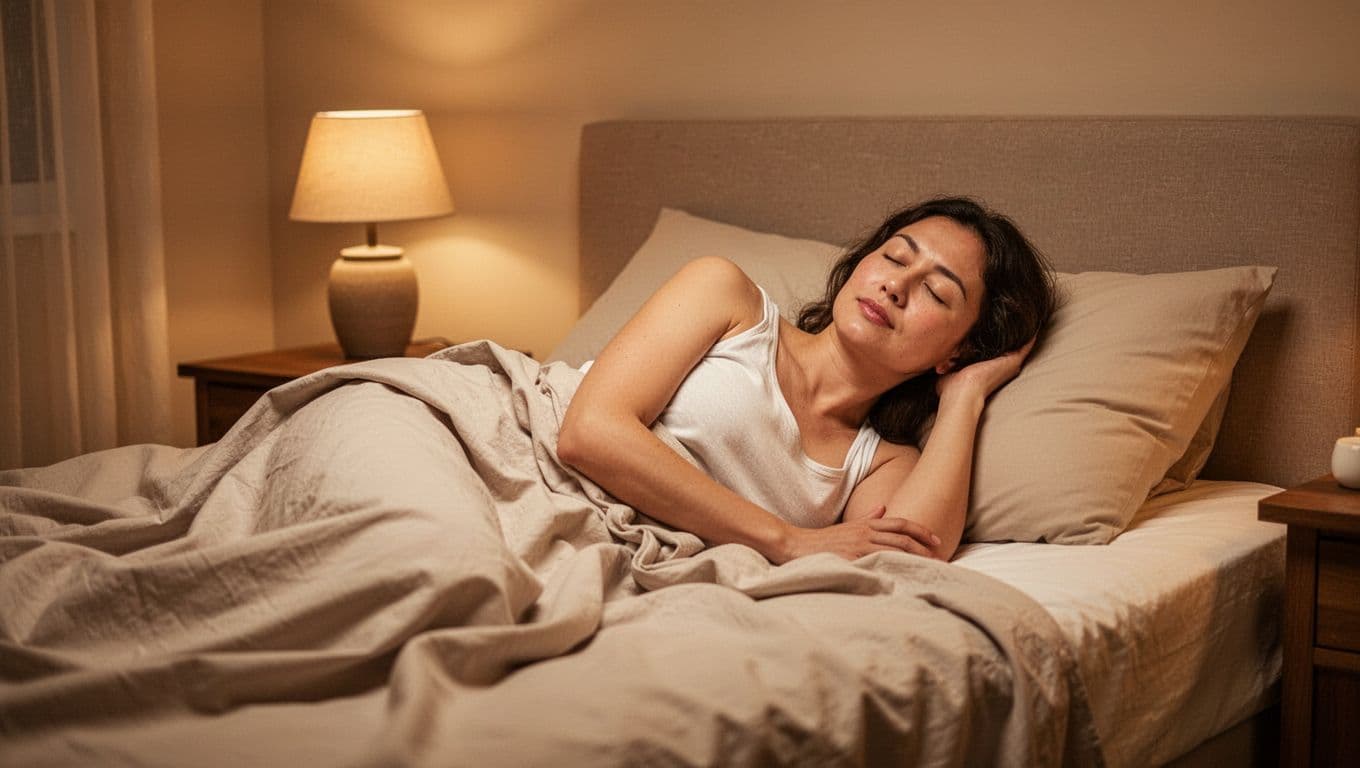
Mood can shift, too. Massage may help reduce anxiety and support a more balanced emotional state. Some studies suggest it can increase feel-good chemicals such as serotonin and oxytocin, which may help you feel calmer and more at ease. That doesn’t mean massage replaces mental health care. It does mean it can be a helpful part of feeling more like yourself again.
A simple way to think about the benefits is this:
- Relaxed muscles can reduce physical discomfort.
- A calmer nervous system can lower stress and anxiety.
- Better circulation can support recovery.
- Less tension can make sleep come easier.
- More rest often leads to a better mood.
Taken together, these effects are why massage stays relevant. It’s not only about pampering. It’s about helping your body function with less strain and helping your mind come up for air.
Popular types of massage and how to choose the right one
Not all massage feels the same, and that’s the point. Some styles are soft and calming, while others work slowly into deep tension or use stretching, heat, or scent to change how your body responds.
If you’re booking a session, start with your main goal. Do you want to relax, loosen tight muscles, move better, or feel less swollen and heavy? Once that’s clear, choosing the right massage gets much easier.
Swedish massage for gentle relaxation and full-body stress relief
Swedish massage is often the easiest place to start. It usually uses light to medium pressure, along with long, flowing strokes, gentle kneading, and smooth movements that help the whole body settle down.
Because the pressure is not too intense, this style works well for first-time clients. It’s a strong choice if you feel stressed, mentally tired, or just generally tense without one very specific pain point. Think of it as a full-body exhale.
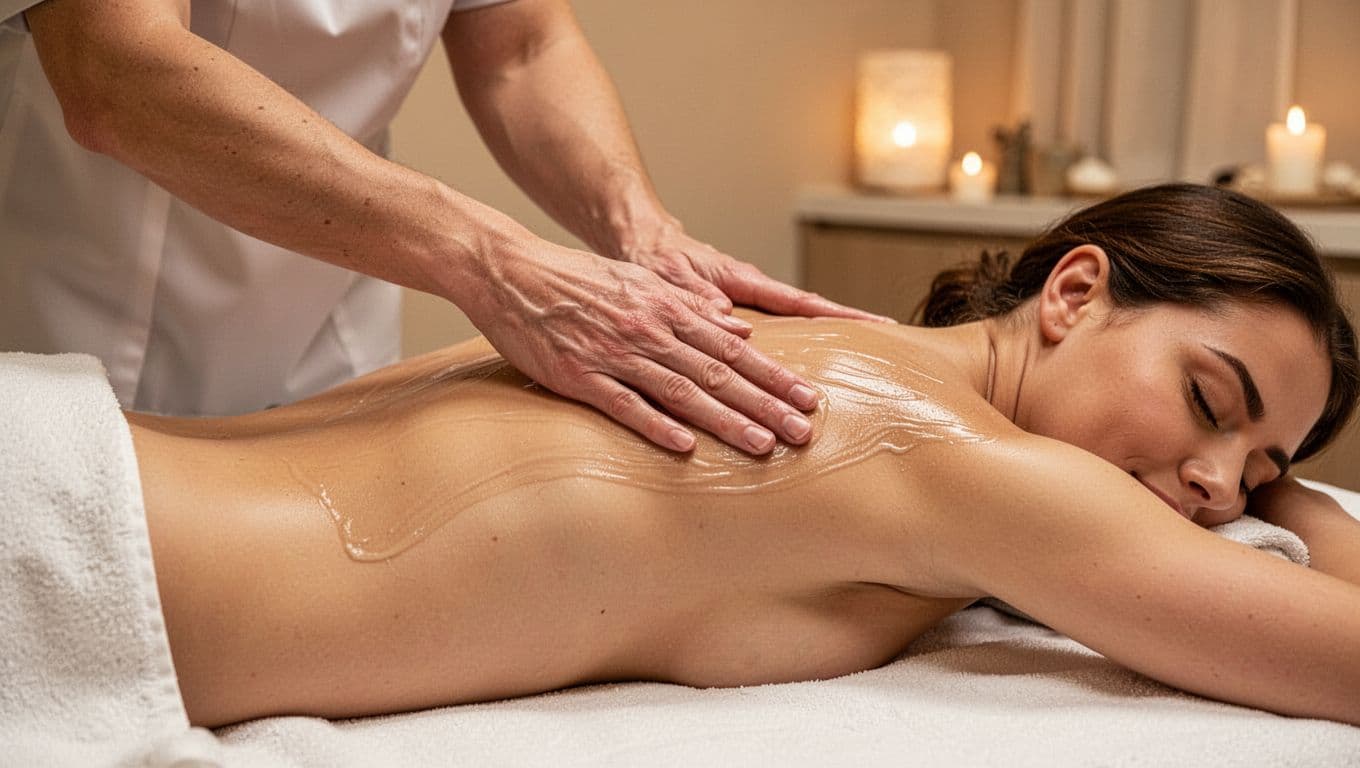
This type of Massage can also help if your muscles feel mildly tight from work, poor sleep, or everyday stress. The goal is not to chase deep knots. Instead, it helps your nervous system slow down while your body lets go of surface-level tension.
Choose Swedish massage if you want:
- Gentle relaxation without heavy pressure
- Full-body stress relief
- A session that feels soothing, smooth, and easy to enjoy
- A good first Massage before trying stronger styles
If deep work sounds a bit much right now, Swedish massage is often the smarter pick, not the lesser one.
Deep tissue massage for stubborn knots and deeper muscle tension
Deep tissue massage is more focused and more intense. It uses firmer pressure, slower strokes, and targeted work on deeper layers of muscle and connective tissue. This is the style people often mean when they say, “I need someone to really get into that knot.”
It can be a good fit if you deal with chronic tightness, desk posture strain, heavy training, or repetitive movement from work. For example, if your shoulders feel like they’re carrying your whole week, deep tissue may help release those stubborn areas more effectively than a gentle session.
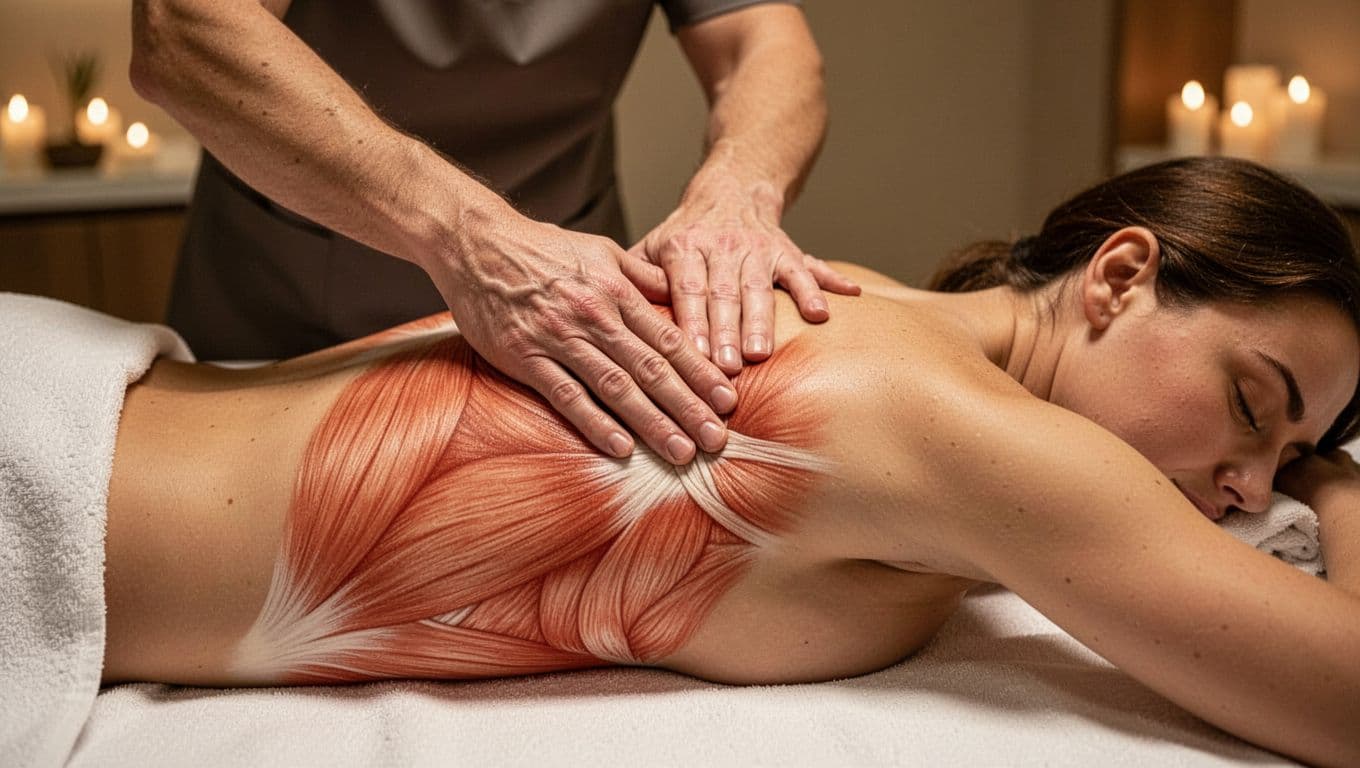
Still, deeper does not mean unbearable. A good deep tissue Massage can feel intense, but it should stay within a manageable comfort level. You might feel strong pressure, a “good hurt,” or a slow release, but you should still be able to breathe and stay relaxed enough for the muscle to let go.
This style often suits people with:
- Neck and shoulder tension from laptop or phone use
- Lower back tightness from sitting too long
- Repetitive strain from manual work or sport
- Old tension patterns that keep coming back
If you want results in a very specific area, deep tissue is often the most practical choice. Just speak up about pressure early, because the best session is one your body can actually respond to.
Strong pressure is not the goal on its own. The goal is useful pressure that helps the muscle release.
Hot stone, Thai, aromatherapy, and other styles worth knowing
Once you know the basics, it helps to look at the styles that offer something a little different. These options can be a great fit when your goal goes beyond simple relaxation or standard muscle work.
Hot stone massage uses smooth heated stones placed on the body and worked into the session by the therapist. The warmth helps muscles soften faster, so it’s a good choice if you want deep relaxation without the sharper feel that sometimes comes with firmer pressure.
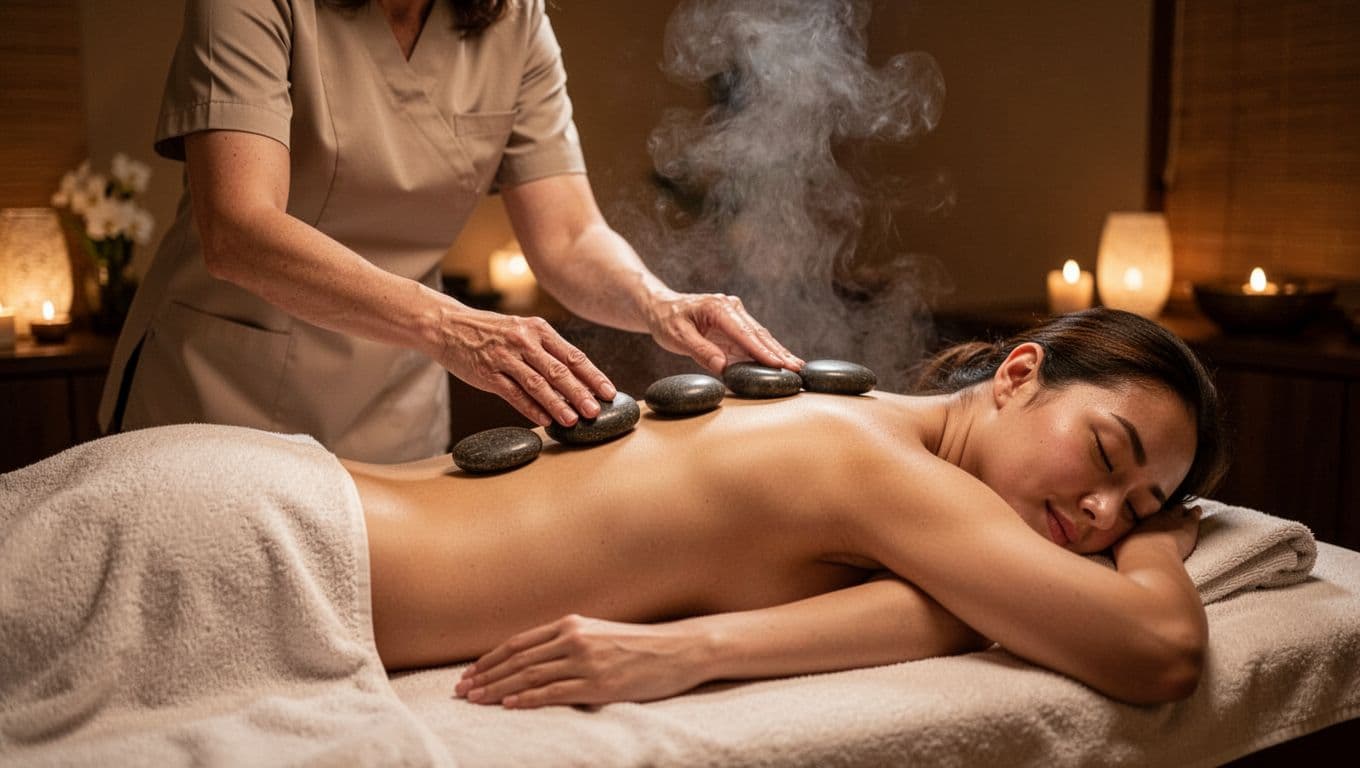
Thai massage is more active. It often includes stretching, pressing, and guided body movements, almost like assisted yoga without the workout. It suits people who feel stiff, want better flexibility, or prefer a session that wakes the body up instead of lulling it to sleep.
Aromatherapy massage combines massage with essential oils chosen for their scent and mood effect. This style is popular with people who want stress relief, emotional calm, and a more sensory spa experience.
Reflexology focuses mainly on the feet, and sometimes the hands, using pressure on specific points. It may suit someone who wants a shorter, focused treatment or enjoys foot work more than a full-body session.
Shiatsu uses finger pressure on specific points across the body, usually without much oil. It can be a good fit if you like structured pressure and want something that feels balanced, grounded, and less slippery than an oil-based Massage.
Lymphatic drainage uses very light, rhythmic strokes to support fluid movement. This is not a deep-pressure treatment. People often choose it when they feel puffy, swollen, heavy, or want a gentler wellness-focused session.
Here’s a quick way to think about these options:
| Style | What it feels like | Best for |
| | | |
| Hot stone | Warm, soothing, deeply calming | Stress, muscle tightness, cold or tense bodies |
| Thai | Stretchy, active, energizing | Flexibility, stiffness, movement |
| Aromatherapy | Gentle, scented, calming | Stress, mood, relaxation |
| Reflexology | Focused pressure on feet or hands | Foot fatigue, quick reset, focused relief |
| Shiatsu | Firm point-based pressure | Tension, energy balance, no-oil preference |
| Lymphatic drainage | Very light, rhythmic, gentle | Puffiness, swelling, delicate touch |
The right choice often comes down to how you want to feel when you leave, sleepy and loose, stretched and open, or lighter and less tense.
Questions to ask before picking a massage style
Before you book, it helps to ask a few simple questions. That can save you from choosing a style that sounds good on paper but doesn’t match what your body needs.
Start with these basics:
- How much pressure do you actually enjoy?
If you like a soft, calming touch, Swedish or aromatherapy may fit better than deep tissue. - Where is the main issue?
General stress points to Swedish or hot stone. A stubborn knot may call for deep tissue. Tight hips and stiffness may suit Thai massage. - Do you want to relax or improve movement?
Some sessions help you melt into the table. Others, like Thai, help you feel more mobile and awake. - How do you feel about oils, heat, or stretching?
Not everyone likes scented oils, hot stones, or hands-on stretching. Your comfort matters. - Are you dealing with swelling, sensitivity, or recovery needs?
In that case, a lighter approach such as lymphatic drainage may make more sense than firm pressure.
A simple rule helps here: match the style to the goal, not the trend. The most popular Massage is not always the best one for your body that day.
Before the session starts, tell the therapist what you want help with. Share your pain points, stress level, pressure preference, and anything you want to avoid. That short conversation can shape the whole experience and often makes the difference between a decent session and a really helpful one.
What to expect before, during, and after a massage session
If you’ve never had a Massage before, the unknown can feel bigger than it really is. Even regular clients sometimes wonder what to do before an appointment, what happens once the door closes, and how to make the results last a little longer.
The good news is that a professional session is usually simple, respectful, and easy to adjust to your comfort level. When you know the basic flow, you can walk in feeling more relaxed and leave with fewer surprises.
How to prepare for your appointment and communicate your needs
A good Massage often starts before you get on the table. Try to arrive on time, or a little early, so you’re not carrying rush-hour stress into the room. That extra few minutes helps you settle in, use the restroom if needed, and go over any intake questions without feeling hurried.
It also helps to avoid a heavy meal right before your session. A full stomach and face-down table time do not make a great pair. Light hydration is smart, too, because you want to feel comfortable, not sloshy.
Before the Massage begins, speak up about anything that matters to your body. That includes:
- Pain points like a stiff neck, sore lower back, or tight hips
- Past or current injuries such as strains, sprains, or recent flare-ups
- Pressure preferences, whether you like light, medium, or firmer work
- Areas to avoid, including sensitive spots, skin irritation, or places you simply don’t want touched
Small details matter as much as big ones. If the room feels too cold, say so. If you prefer extra draping, ask. If modesty is a concern, mention it early. A good therapist wants clear direction, not silent guessing.
Good communication shapes the whole session. It helps the therapist work smarter, and it helps you relax faster.
Think of it like giving directions before a long drive. The clearer the route, the smoother the trip.
What happens in the room, including privacy, pressure, and comfort
Once you’re shown into the room, the therapist will explain what to do next. Usually, they’ll step out so you can undress to your comfort level and get on the table in private. You’ll be covered with a sheet or towel, and only the area being worked on is uncovered at any time.
That draping is there for a reason. It protects privacy, warmth, and comfort throughout the Massage. You should never feel exposed, rushed, or unsure about what’s happening. If something feels off, you can pause the session and speak up right away.
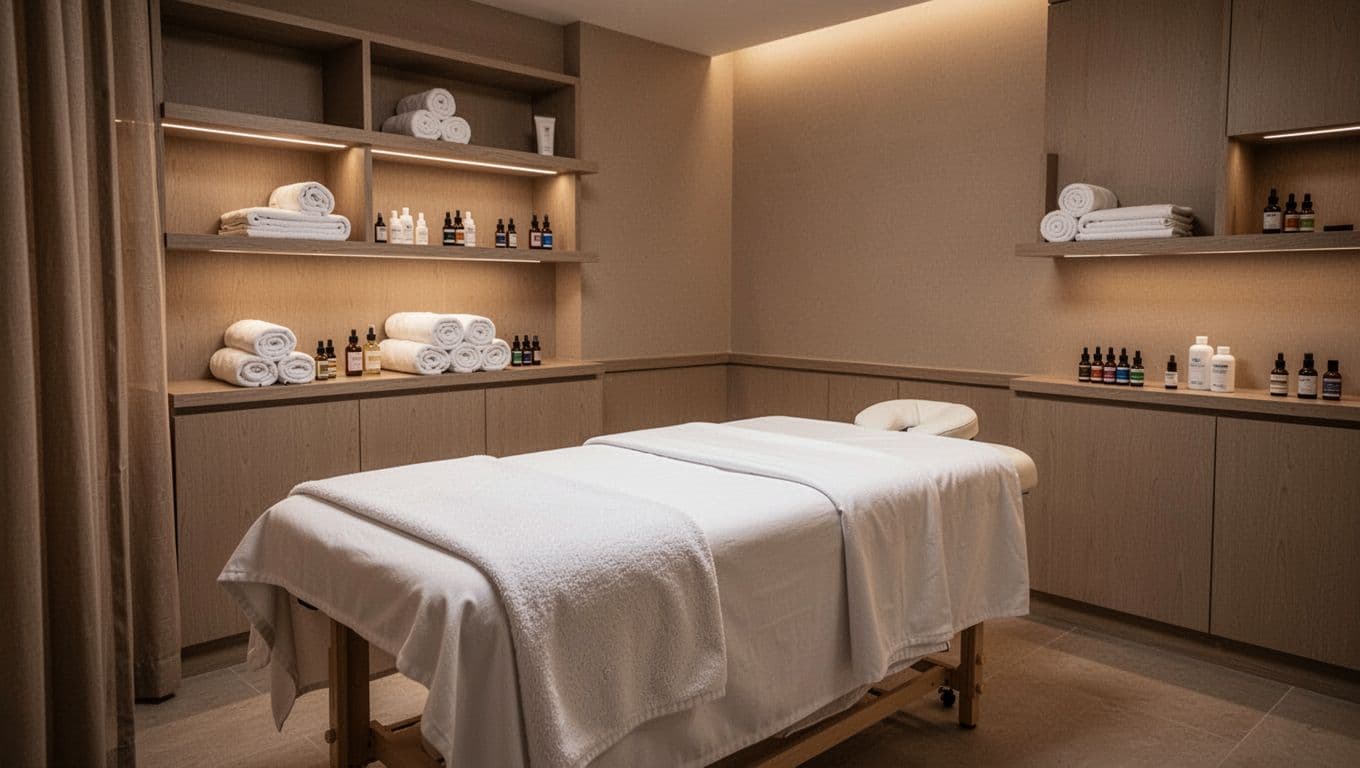
The session itself is usually calm and straightforward. The therapist may start with broader strokes to warm the muscles, then spend more time on the areas you mentioned. Some sessions are quiet. Others include brief check-ins about pressure or comfort. Neither is strange. It’s your time, and the pace should feel safe and respectful.
Pressure is not set in stone once the Massage starts. You can ask for more pressure, less pressure, slower work, or a change in focus at any point. If a spot feels tender, that’s useful feedback. If it feels sharp, pinchy, or overwhelming, say so right away.
Here is the simplest way to think about the room experience:
- Privacy comes first: You dress and position yourself alone.
- Consent matters: The therapist should explain the session and respect limits.
- Comfort stays flexible: Pressure, temperature, bolsters, and draping can be adjusted.
- You stay in control: You can ask questions, request changes, or stop at any time.
For first-timers, that control often eases the nerves. For regular clients, it’s a good reminder that a better Massage is not always a tougher one. Comfort and results usually work best together.
What to do after a massage to get the most from it
When the Massage ends, don’t spring off the table like you’re late for a meeting. Give yourself a minute. Sit up slowly, take a breath, and let your body catch up. Many people feel deeply relaxed, and some feel a little dreamy, almost like waking from a good nap.
Drinking water after your session is a simple habit that can help you feel better. It won’t perform miracles, but it does support normal hydration, especially if you’ve been warm, relaxed, and still for a while. Then, for the rest of the day, keep things easy if you can.
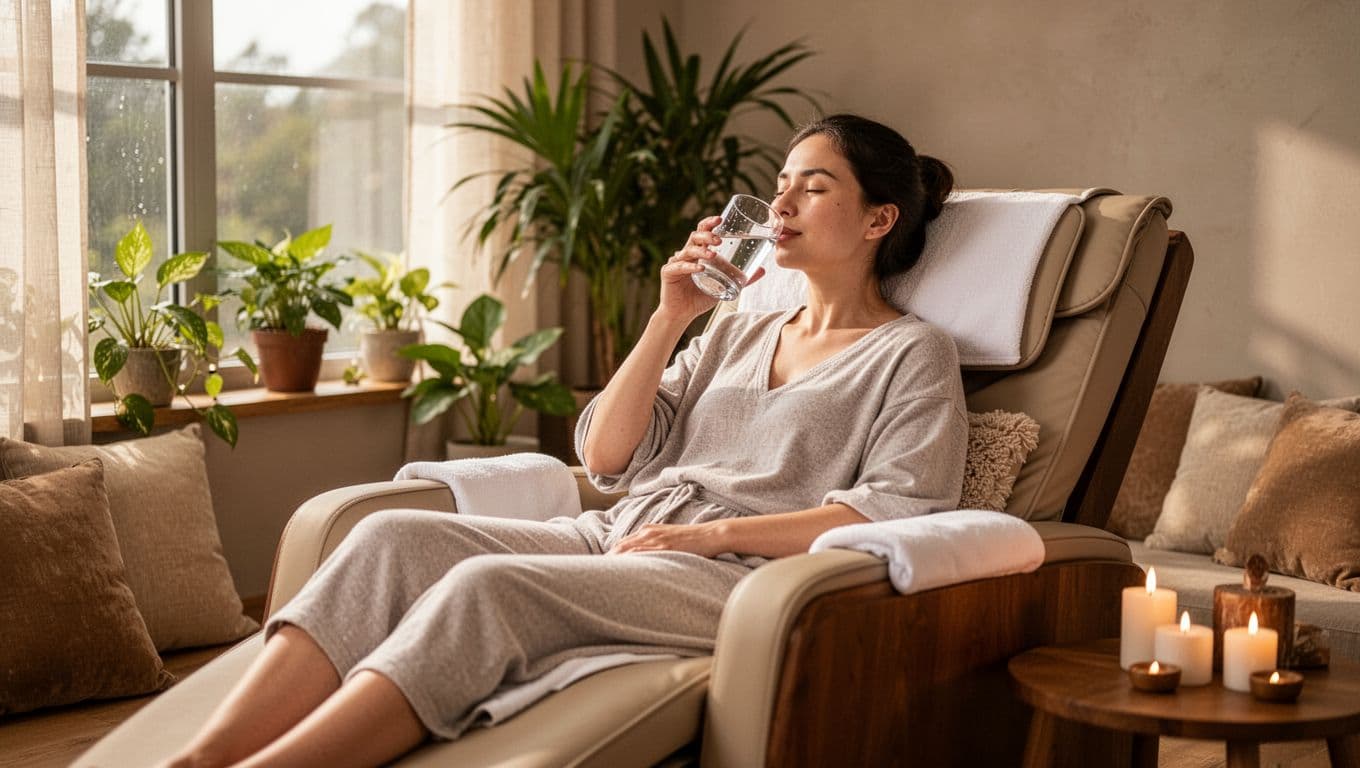
Light movement often helps, too. A short walk, gentle stretching, or normal daily activity can keep your body from tightening right back up. On the other hand, a hard workout or heavy lifting right away may undo some of that fresh, loose feeling.
Over the next day or two, pay attention to how you feel. You might notice easier movement, less tension, better sleep, or a calmer mood. If you had deeper work, mild soreness can happen, much like the day after exercise. That can be normal. Sharp pain, increasing pain, or lingering discomfort is not, and it should be taken seriously.
A few smart aftercare habits go a long way:
- Hydrate normally and keep water nearby
- Move gently instead of staying stiff and still
- Rest if you’re tired, because your body may want a quieter day
- Notice patterns, especially if one area keeps tightening again
That feedback can help shape your next Massage so it fits you even better.
When massage may not be the right choice right away
Massage is safe for many people, but there are times when it makes sense to pause first. If you have a recent injury, active infection, fever, open wound, blood clot concerns, or you’ve had surgery not long ago, check with a doctor before booking.
The same goes for unexplained swelling, severe bruising, or conditions that affect circulation or healing. If you’re pregnant, dealing with a major health condition, or taking blood thinners, it’s wise to get medical guidance first.
This is not about fear. It’s about timing and common sense. The best Massage is one your body is ready for, and when in doubt, a quick medical check can help you book with more confidence.
How to make massage a smart part of your wellness routine
Massage works best when you stop thinking of it as a one-time reset. A good session can bring quick relief, but the bigger win is how it fits into your normal life. In 2026, more people are building massage into broader wellness habits because it supports stress relief, recovery, sleep, and body awareness in a practical way.
The goal is not to chase a perfect routine. It’s to make Massage useful, realistic, and sustainable for your body, your time, and your budget.
How often to get a massage for your goals and budget
There is no single schedule that works for everyone. Your ideal rhythm depends on what you’re trying to get out of Massage, how your body feels week to week, and what you can comfortably afford. A routine should help you, not pressure you.
For example, if your main goal is to relax and slow down, an occasional session may be enough. A Massage once a month, or even every few months, can still feel like a meaningful reset. On the other hand, if you deal with regular neck tension, hard workouts, or long desk days, more frequent visits may help you stay ahead of discomfort instead of waiting until everything tightens up.
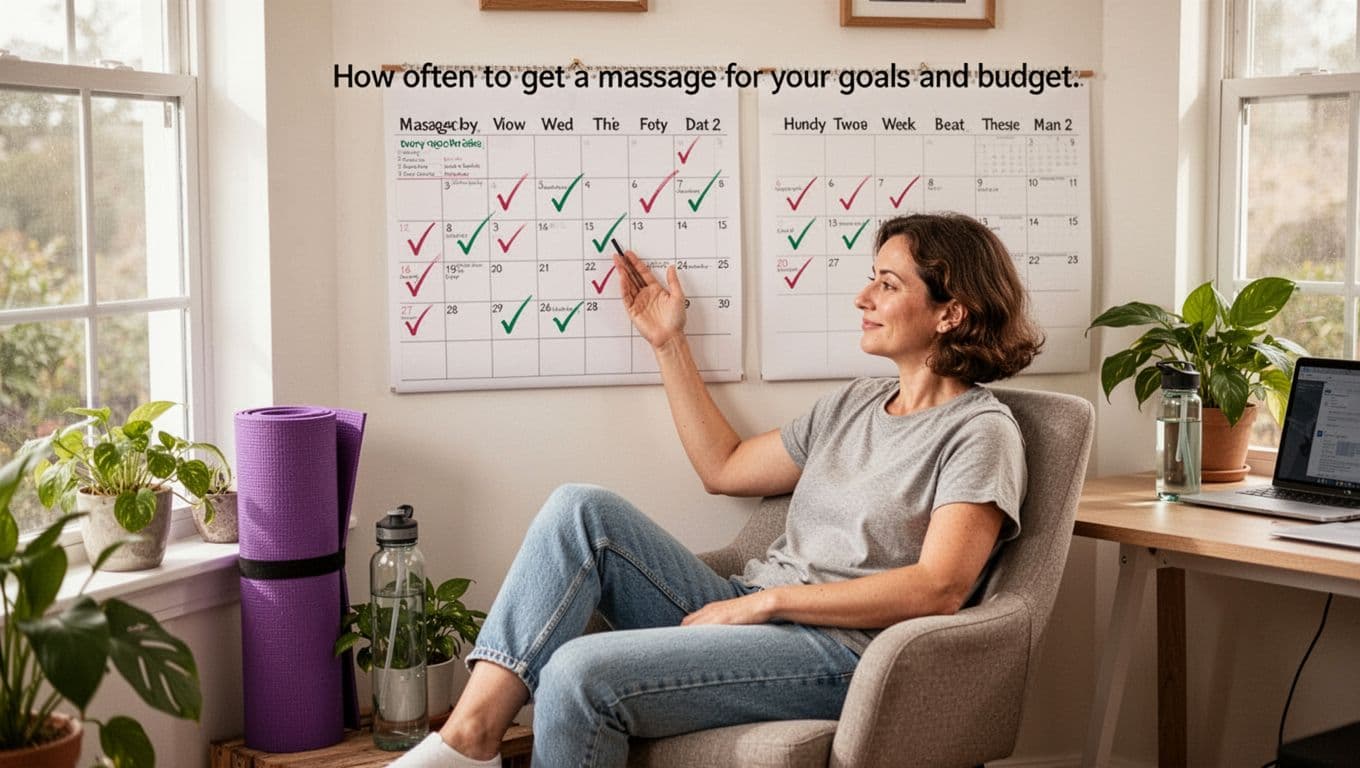
A simple way to think about it is this:
- Occasional sessions fit general relaxation, mental reset, or self-care treats.
- More regular visits can help with ongoing tension, recovery, or stress-heavy seasons.
- Flexible booking works well if your schedule changes a lot or your needs come in waves.
Life also changes. Some months you may want regular Massage because work is intense or your body feels worn down. Other times, a less frequent rhythm makes more sense. That is still a routine. It just bends with real life.
The best Massage schedule is one you can keep without strain, because consistency beats good intentions.
If you’re unsure where to start, pay attention to your patterns. Do you book only when pain is already loud? Do you always feel better for days after a session? Those clues can help you decide whether Massage is an occasional treat or a habit worth keeping closer at hand.
Small habits that make the benefits of massage last longer
A Massage can loosen the knot, but your daily habits often tie it back up. That is why the best results usually come from what you do between sessions, not only from what happens on the table.
Start small. Gentle stretching can help keep tight areas from shrinking back into old patterns. A short walk after long sitting can wake the body up and reduce that stiff, heavy feeling. Better posture matters too, especially if your shoulders round forward most of the day. You do not need perfect posture. You just need to stop living like a folded chair.
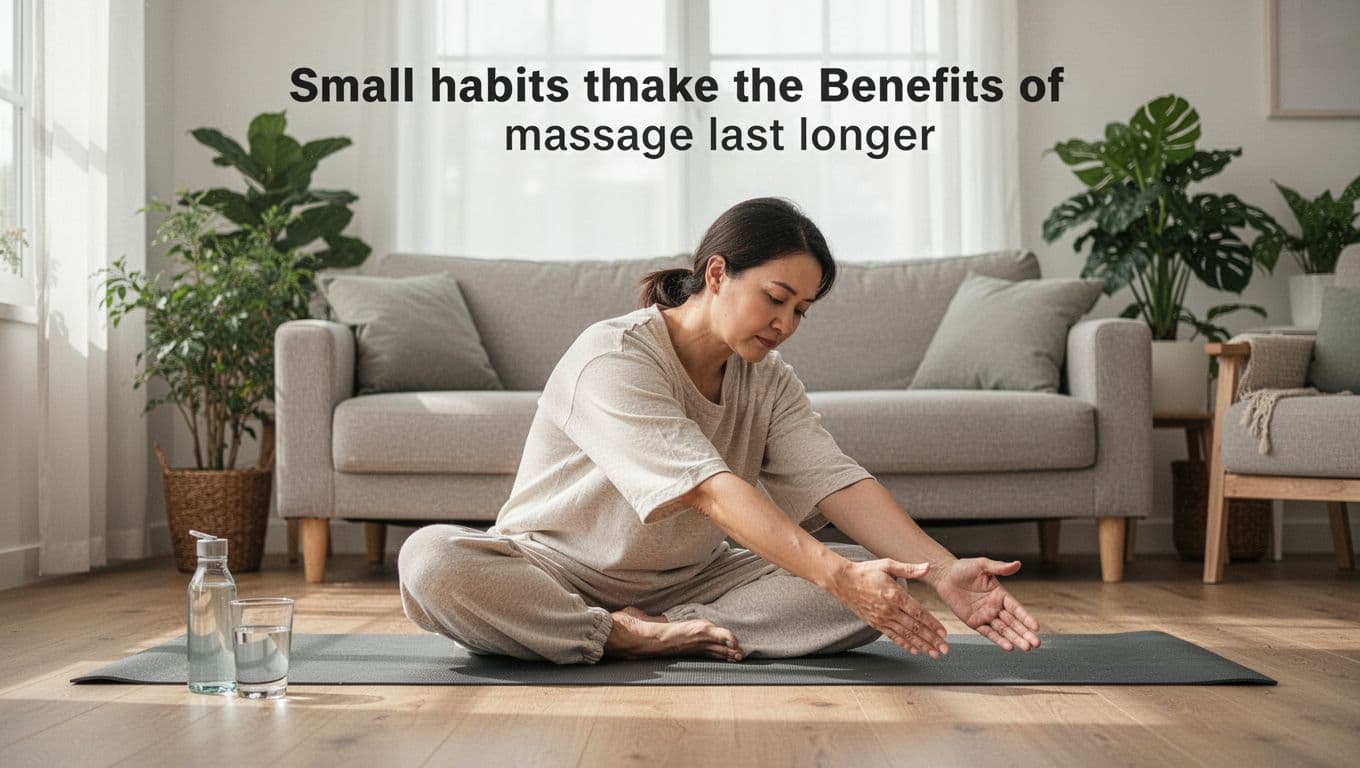
Hydration helps as well, although it does not need to be complicated. Drink water like you normally should, especially after a session and on active days. Then add basic stress care. Slow breathing, better sleep habits, and short breaks during the day can all help your body hold onto that post-massage ease.
Here are a few habits that often make a real difference:
- Stretch a little, often: A few minutes can help stiff muscles stay more open.
- Walk during the day: Movement keeps your body from settling into one shape.
- Check your posture: Adjust your chair, screen, and phone position when you can.
- Manage stress early: Stress often shows up in the jaw, neck, and shoulders first.
- Listen to your body: Tightness, fatigue, and soreness are signals, not background noise.
Massage is part of the bigger picture, not the whole picture. Think of it like watering a plant. One deep soak helps, but the daily care is what keeps it healthy.
Choosing a massage experience that feels safe, skilled, and worth it
Not every Massage experience feels the same, and that matters. A good treatment should leave you feeling cared for, not unsure, rushed, or uncomfortable. Skill matters, but so does the setting around it.
First, look for professionalism from the start. Clear booking details, a respectful intake process, and good communication all signal that the business takes client care seriously. You should know what type of treatment is offered, how long it lasts, and what to expect before you arrive.
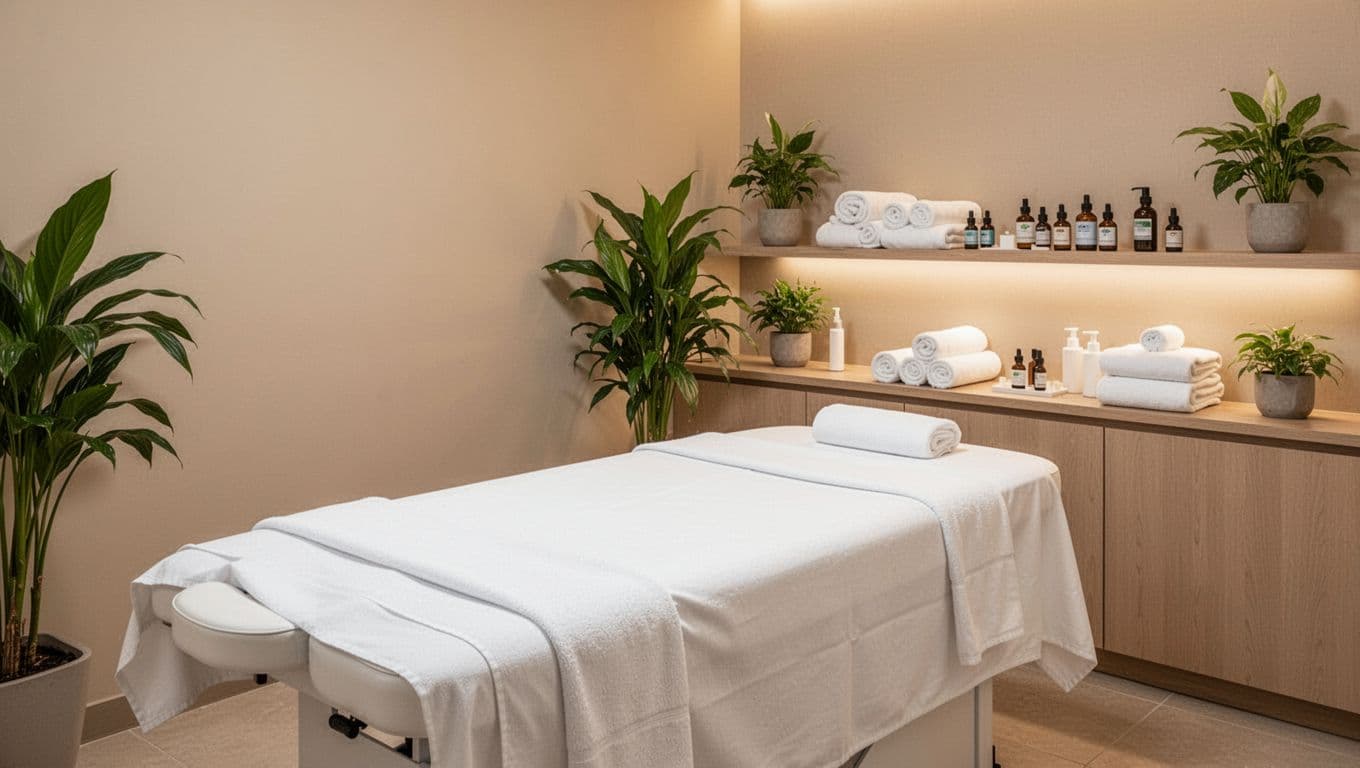
Cleanliness is another non-negotiable. Fresh linens, tidy treatment rooms, and an overall sense of order tell you a lot. Privacy matters just as much. You should feel covered properly, given space to change, and treated with respect throughout the session.
It also helps to choose a place that offers options matched to your needs. A relaxing Swedish session, focused deep tissue work, or a soothing hot stone treatment all serve different goals. The right choice depends on why you’re booking, not just what sounds popular.
Before you commit, look for these signs:
- Clear communication about pressure, focus areas, and any concerns.
- A clean, calm environment that feels organized and well cared for.
- Respect for privacy and consent at every stage of the session.
- Treatment choices that match stress relief, soreness, recovery, or relaxation goals.
- A therapist who listens and adjusts, instead of using the same routine on everyone.
When those pieces come together, Massage feels more worthwhile. It becomes easier to return, easier to trust the process, and easier to build into your long-term wellness routine.
Why Black Berry Massage & Spa in Kilimani Stands Out
If you’re comparing places for a Massage in Nairobi, the details matter. A good spa is not only about the treatment menu. It also comes down to location, comfort, privacy, and whether the experience feels calm from the moment you walk in.
That is where Black Berry Massage & Spa in Kilimani stands out. Based on the business details shared on its website, it combines a convenient address, a broad treatment range, and a clear focus on relaxation and client comfort. For anyone who wants a session that feels both professional and easy to book, that mix goes a long way.
A convenient Kilimani location that fits real life
Black Berry Massage & Spa is located at Jade Residency on Kindaruma Road in Kilimani, which gives it a practical edge right away. Kilimani is one of Nairobi’s best-known neighborhoods, so the spa is easier to reach than places tucked far outside the city’s daily flow. That matters when you want to fit a Massage into a workday, after errands, or before heading home.
A convenient location changes the whole feel of self-care. If getting there feels like another task, the session can lose some of its appeal. On the other hand, a spa in a central area makes it easier to book without turning relaxation into a long mission.
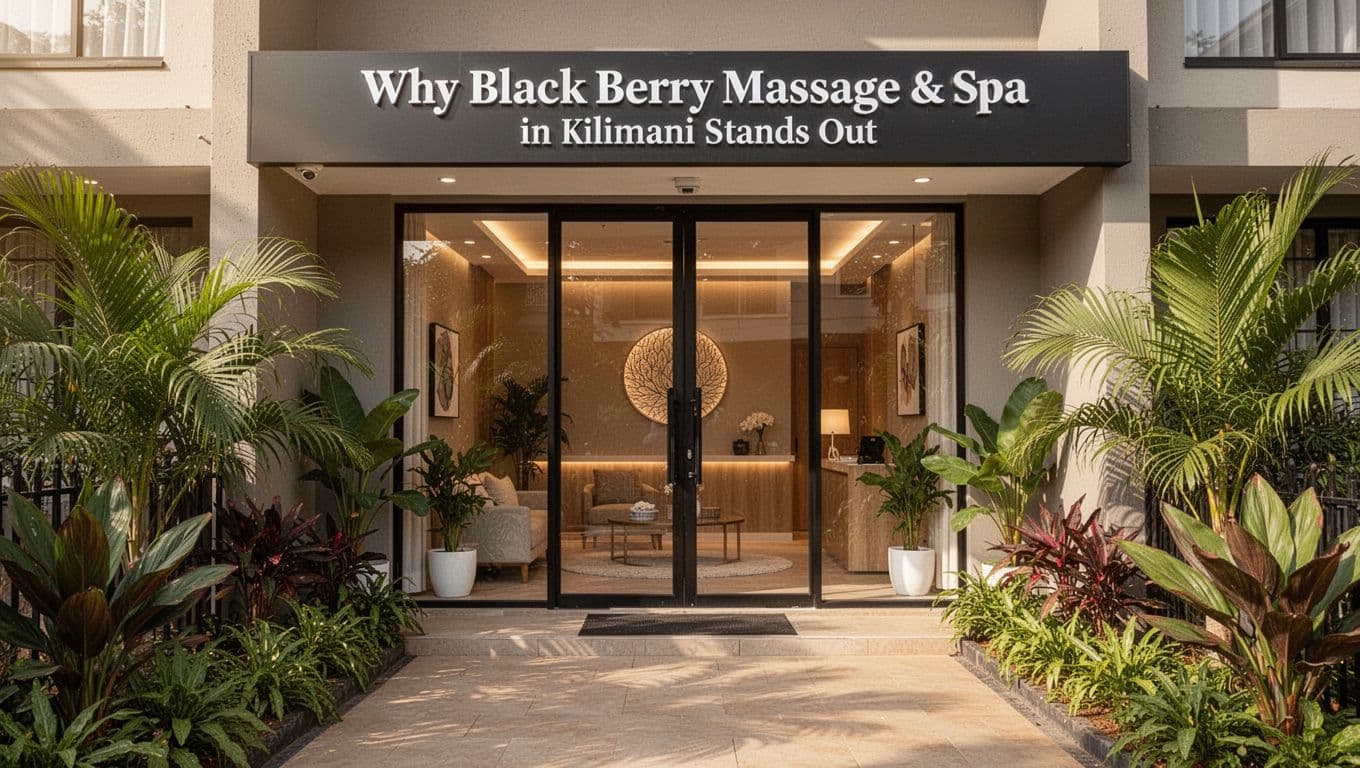
There is also something reassuring about a spa that is open about where it is based and how to contact it. Black Berry Massage & Spa shares its address, working hours, and WhatsApp booking option, which helps remove friction. In simple terms, it feels easier to plan, easier to reach, and easier to return to.
A strong range of massage options, without feeling one-size-fits-all
Another reason Black Berry Massage & Spa stands out is the variety of treatments it highlights. The website features options such as Swedish, deep tissue, aromatherapy, hot stone, and Thai massage, along with other therapies. That range matters because not every body needs the same thing on the same day.
Sometimes you want gentle stress relief. Other times, you need focused work on tight shoulders or a lower back that feels locked up. A spa with several Massage styles gives you room to choose based on your actual needs, not just whatever happens to be on the menu.
Here is the simple advantage of having real variety:
- Swedish Massage works well when you want full-body relaxation.
- Deep tissue Massage suits stubborn tension and sore muscles.
- Aromatherapy Massage adds a more calming, sensory feel.
- Hot stone Massage helps warm and soften tight areas.
- Thai Massage can suit people who want stretching and movement.
That makes the spa appealing for both first-timers and regulars. You are not boxed into one experience. Instead, you can choose the treatment that fits your mood, stress level, and body that day.
A standout spa does not treat every client the same. It gives you options that match real needs.
Comfort, privacy, and a calm setting people actually want to return to
A treatment can be technically good and still fall flat if the space feels rushed or uncomfortable. Black Berry Massage & Spa puts clear emphasis on privacy, professional service, and client comfort, and that matters just as much as the Massage itself.
The setting is part of the treatment. Clean rooms, a quiet feel, and a sense of order help your body relax faster. When a spa pays attention to those basics, you notice it almost at once. Your shoulders drop. Your breathing slows. The room does some of the work before the therapist even begins.
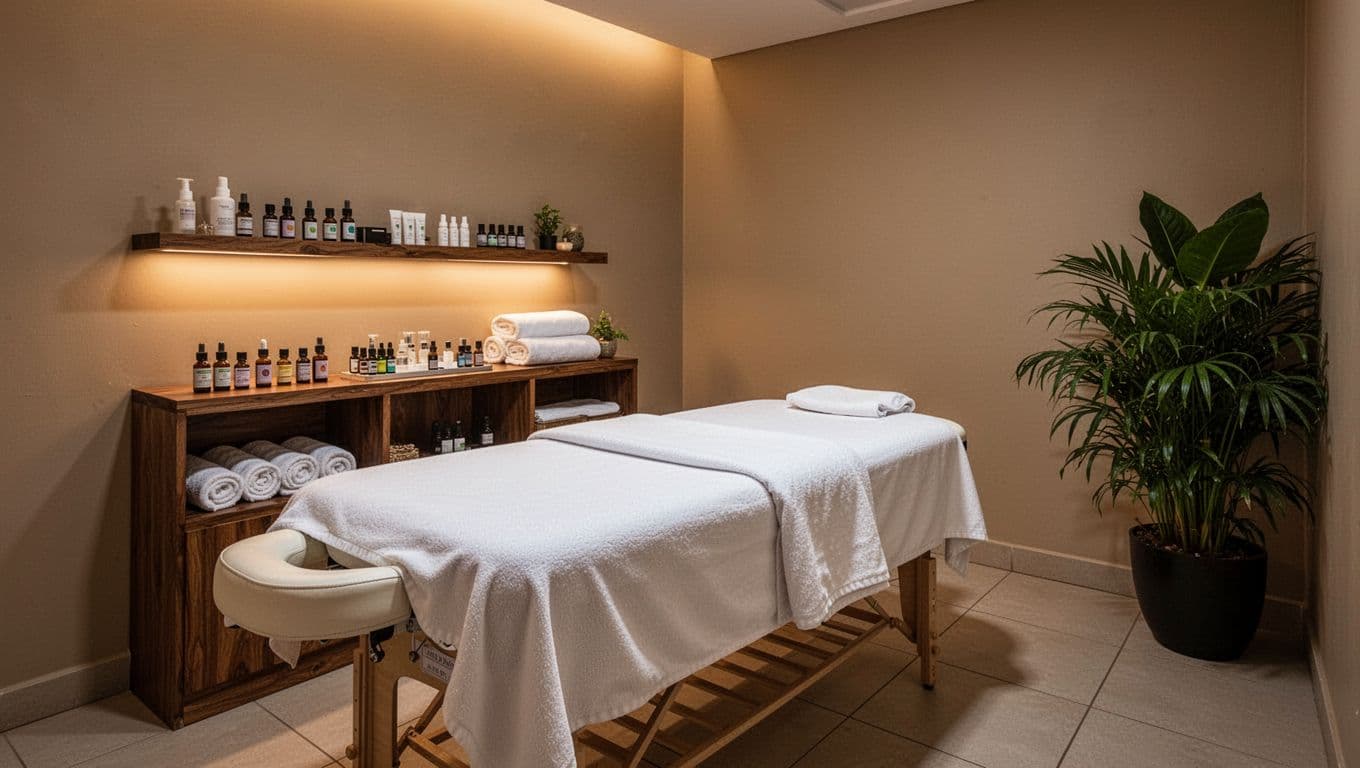
The website also points to features many people care about before booking:
- Professional service, which builds trust from the start.
- Private, comfortable treatment spaces, which help you relax without feeling exposed.
- Advance booking options, which make planning easier.
- A broader spa experience, with wellness and beauty services beyond Massage.
Taken together, those details give Black Berry Massage & Spa a clear identity. It is not trying to be everything to everyone. Instead, it presents itself as a place where you can step out of the noise, settle in, and get the kind of care that feels thoughtful, calm, and worth repeating.
Conclusion
Massage has earned its place in modern self-care because it offers more than a moment of comfort. It can help ease stress, support muscle recovery, improve sleep, and bring a stronger sense of balance to daily life. That matters whether you’re dealing with desk tension, workout soreness, or a mind that rarely slows down.
At the same time, the best massage is the one that fits your body and your goals. Some people need gentle, calming touch, while others want focused work on stubborn tightness. Because massage is more personalized than ever, it makes sense to choose a style that matches your comfort level and to speak openly about pressure, problem areas, and what you want from the session.
For beginners, that should feel reassuring, not intimidating. For long-time fans, it’s a reminder that massage still has real value when it’s done with care and intention. If your body has been asking for relief, rest, or a reset, a good massage can be a simple place to start, and a smart habit to keep.