Sore legs after a hard workout, a stiff back after a long workday, tight shoulders from too much screen time, most people know that feeling. That’s a big reason the Massage Gun has become so popular. It promises quick, at-home relief when your body feels worked over and you don’t have time to book a full session.
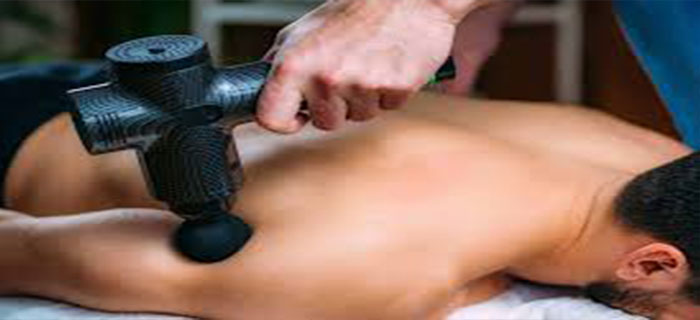
In simple terms, a massage gun is a handheld tool that taps your muscles very fast. Those rapid pulses, often called percussive therapy, can help loosen tight areas, boost blood flow, and ease that heavy, sore feeling many people get after exercise or long hours on their feet. For a lot of people, it’s an easy way to get a bit of muscle relief at home without much setup.
That said, more power isn’t always better. A massage gun can feel great on the right muscles, but poor technique, too much pressure, or using it on the wrong area can leave you feeling worse instead of better. If you also want hands-on care and a more tailored approach, it helps to understand factors shaping massage rates before choosing between home tools and professional treatment.
This guide breaks it all down in a clear, beginner-friendly way. You’ll learn how a massage gun works, what benefits it may offer, how to use it safely, what to look for before buying one, and when it makes the most sense for sore muscles from workouts, long days, or both.
What a massage gun does and how it helps your muscles
A Massage Gun gives your muscles quick, repeated pulses of pressure. That simple action can help tight areas feel looser, sore spots feel less heavy, and stiff muscles feel more ready to move. For many people, it fits into real life easily, after a workout, after a commute, or after hours at a desk.
The key is knowing what it actually does. A massage gun can support comfort and recovery, but it works best when your expectations stay grounded.
How percussive therapy works in simple terms
Inside a massage gun, there’s a small motor that drives the head back and forth very fast. When that head touches your muscle, it creates rapid tapping, almost like a steady drumbeat on one small area. Instead of one long push, you get lots of quick pulses in a row.
Think of it like this: if your muscles feel like a wrinkled shirt, the massage gun doesn’t iron everything flat at once. It gives the fabric lots of tiny shakes, which can help it loosen up. That repeated pressure can wake up a stiff area, warm the tissue a bit, and help it feel less locked.
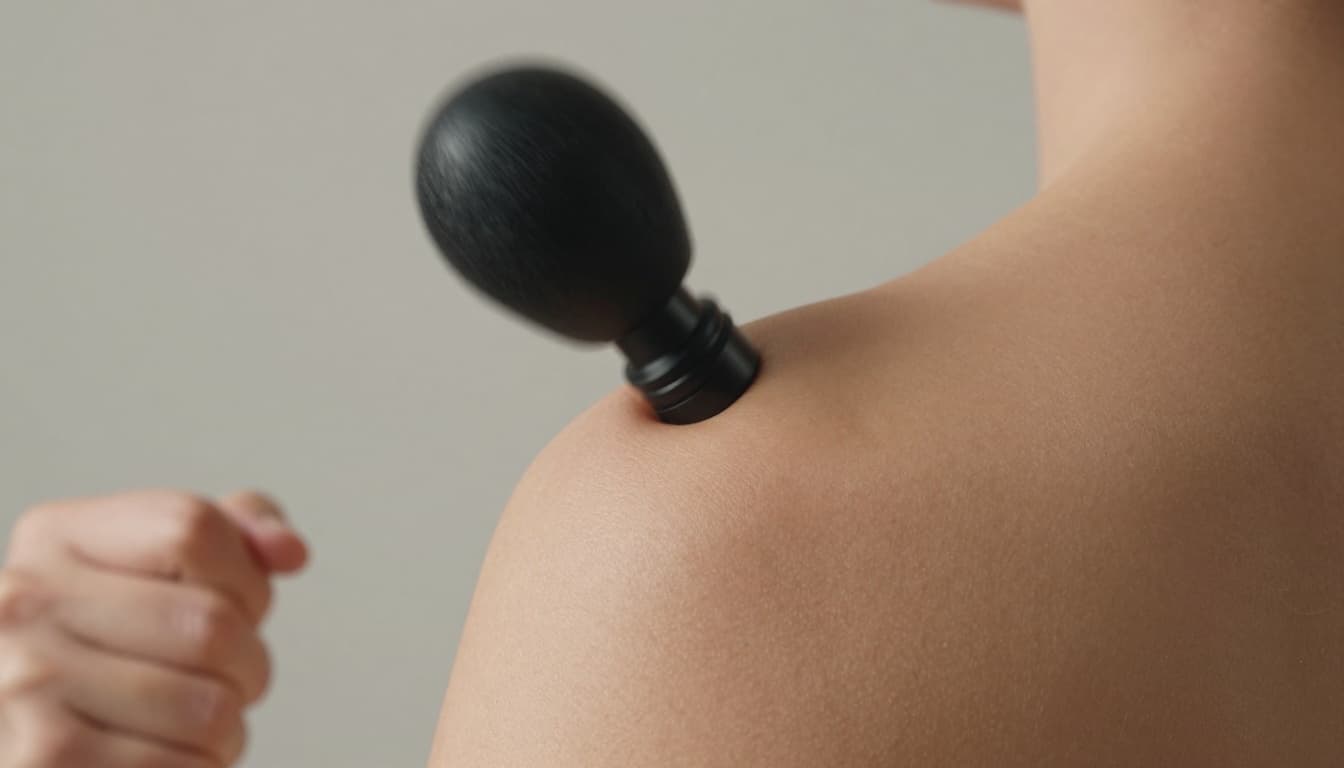
Because the pulses come fast, the muscle gets a strong signal without you having to press hard. As a result, many people notice better blood flow to the area, less tightness, and a drop in that dull post-workout ache. Recent research also supports short-term gains in soreness relief and range of motion, especially after exercise.
In plain terms, it helps a muscle go from “stuck and grumpy” to “more willing to move.” That’s why people often use it on calves, quads, glutes, and shoulders.
The main benefits people notice first
The first thing most people notice is less stiffness. A tight calf, sore thigh, or tense shoulder can feel a bit freer after even a short session. That doesn’t mean the muscle is fixed forever, but it often feels easier to stretch, walk, or change position.
Another common benefit is less soreness, especially after a hard session at the gym. If your legs feel heavy a day later, a massage gun may help take the edge off. The relief is usually short-term, but sometimes that’s exactly what you need to move better and feel more normal.
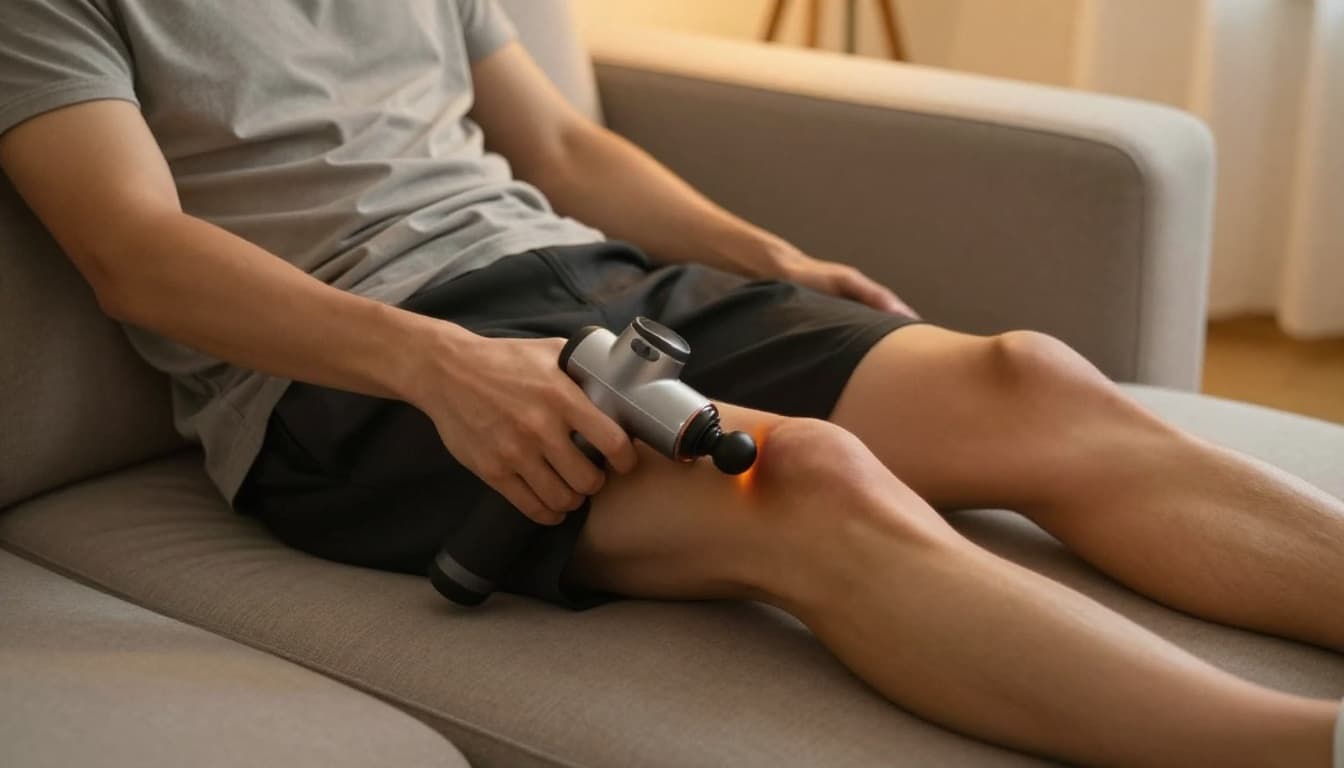
People also like the way it helps before activity. Used briefly on major muscle groups, it can make your warm-up feel smoother. Your body may feel more awake, your steps may feel lighter, and your movement may feel less restricted.
Here are the benefits people tend to feel right away:
- Reduced stiffness: Muscles can feel less rigid after sitting, training, or standing for long periods.
- Lower soreness: It may ease post-exercise discomfort, especially in the first couple of days.
- Better warm-up feel: A short session can make movement feel more natural before training.
- Easier motion: Tight areas often feel less stubborn, which can help with range of motion.
- Quick spot treatment: It’s useful when one area needs attention fast, like a knotted shoulder or tight calf.
If you want more ways to support recovery at home, these tools to ease post-workout muscle recovery can complement a massage gun well.
A massage gun is often best for quick, targeted relief, not a full-body fix.
What a massage gun cannot do
A massage gun can help muscle tension and everyday soreness, but it has limits. It can’t diagnose pain, treat a torn muscle, or solve nerve-related symptoms. If pain is sharp, spreading, numb, or keeps coming back for no clear reason, this tool is not the answer on its own.
It also can’t replace medical care for a serious injury. The same goes for swelling, bruising, joint pain, or unexplained pain that lingers. In those cases, using a massage gun may irritate the area instead of helping it.
So think of it as a support tool, not a cure-all. It can make your muscles feel better, and that matters. Still, if something feels off, severe, or unusual, proper medical advice should come first.
How to use a massage gun safely without making soreness worse
A Massage Gun should make tight muscles feel calmer, not more beat up. Safe use comes down to a few basics: light pressure, short sessions, smart placement, and stopping early if your body pushes back.
Think of it like turning up warm water, not blasting a pressure hose. When you start slow and stay on muscle, you give the area a chance to relax without adding more irritation.
A simple step by step routine for beginners
If you’re new to a Massage Gun, keep the first few sessions very simple. Your goal is to introduce the muscle to the pressure, not attack the soreness.
A good beginner routine looks like this:
- Pick a large muscle group first, like your calf or quad.
- Choose the lowest speed and, if your device has options, use a softer round attachment.
- Turn the device on before it touches your skin. That helps the head move smoothly instead of jabbing the area.
- Rest it lightly on the muscle, then glide slowly along the length of the muscle.
- Keep moving, rather than drilling into one tender spot.
- Stay brief at first, about 10 to 30 seconds on an area if you’re a beginner.
- If it feels good, you can work up gradually, but don’t go beyond about 2 minutes per muscle group.
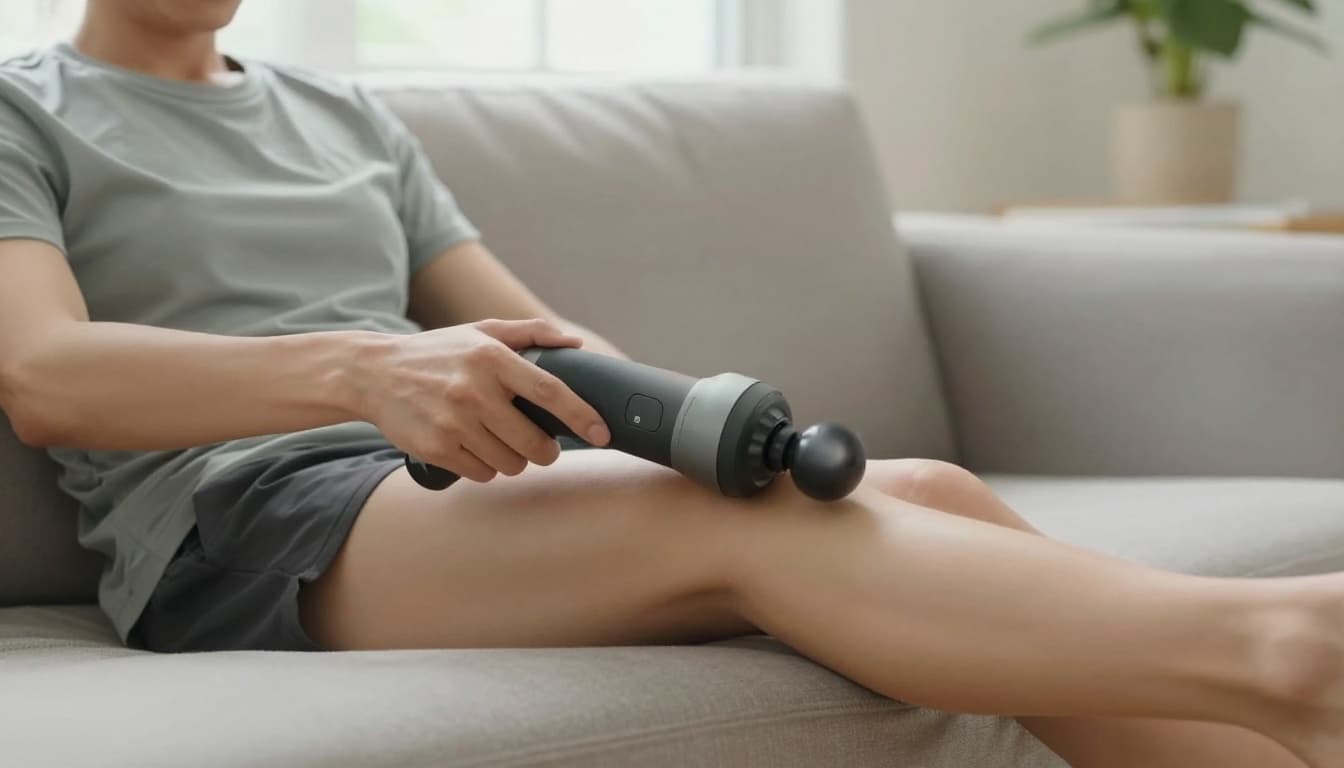
Use only light pressure. In most cases, the weight of the device is enough. If your skin ripples wildly or the muscle tenses up, you’re probably pressing too hard.
It’s also smart to keep the full session short. Around 5 to 10 minutes total is enough for most people, and many experts suggest staying under 15 minutes for the whole body. More time does not mean more benefit.
If the area feels sharper, hotter, or more irritated as you use it, stop right away.
A little tenderness can be normal around a sore muscle. Pain is not the goal. You want a “that feels relieving” response, not “I need to grit my teeth.”
Body areas that are usually safe, and areas to avoid
Massage guns work best on larger, fleshy muscle groups. These areas can usually handle the rapid pulses better because there’s more muscle tissue under the skin.
Good places to start include:
- Calves
- Quads
- Glutes
- Upper back, especially around the shoulder blades
- Shoulders, on the muscle, not the joint
These spots tend to respond well to slow gliding. For example, you can move from mid-calf toward the back of the knee, stopping before the joint itself, or glide over the quad from upper thigh toward the knee without touching the kneecap.
Just as important, some areas should be off-limits. Avoid using a Massage Gun on:
- Bones
- Joints
- The front of the neck
- The spine
- Bruises
- Open wounds
- Swollen areas
- Recent injuries
You should also skip numb areas, rashes, and places that feel unstable or freshly strained. If you recently pulled a muscle, rolled an ankle, or took a hard fall, give that area time and get proper advice first.
The front of the neck deserves extra caution. Major blood vessels sit there, so this is not a safe place for percussive pressure. The same goes for bony spots like shins, elbows, kneecaps, and the point of the shoulder. On those areas, a Massage Gun can feel harsh fast.
Common massage gun mistakes that can backfire
Most problems happen because people assume stronger is better. It isn’t. A massage gun is more like seasoning than a shovel, a little goes a long way.
One common mistake is pressing too hard. Heavy force can make a sore area feel worse, especially if the muscle is already irritated from training. Let the device do the work.
Another easy mistake is staying in one spot too long. Holding the gun over one knot for a full minute might sound helpful, but it often just makes the area angrier. Keep the head moving in slow passes instead.
High speed is another trap. Many people jump straight to the strongest setting because it feels more powerful. In reality, high speed too soon can overwhelm a sore muscle, especially if you’re using the Massage Gun for the first time or after a hard workout.
Poor body position matters too. If you’re twisting to reach your upper back or gripping the device with tense shoulders, you can create more strain while trying to fix strain. Sit or stand in a supported position, and don’t force awkward angles.
Attachment choice also matters more than people think. A soft round head is usually the safest place to begin on bigger muscles. Small, pointed, or firmer attachments can feel too intense on tender areas and are easier to misuse.
Watch for these clear signs to stop:
- Sharp pain
- Burning pain
- Skin irritation or strong redness
- Tingling or numbness
- Sudden swelling
- A bruised feeling that grows during use
If soreness gets worse later that day or the next morning, shorten the session next time, lower the speed, and use less pressure.
Who should talk to a doctor before using one
Some people need a green light before using a Massage Gun. This matters because percussive pressure can be too much for certain health conditions or healing tissues.
Talk to a doctor first if you are:
- Pregnant
- Taking blood thinners
- Dealing with blood clots, or have a history of them
- Living with neuropathy
- Under treatment for cancer
- Having arthritis flare-ups
- Recovering from recent surgery
- Healing from fractures
- Feeling unexplained pain
Extra caution also makes sense if you have poor sensation in an area. When you can’t feel pressure normally, it’s harder to tell when you’re overdoing it. The same goes for anyone with swelling, severe tenderness, or pain that doesn’t match normal post-workout soreness.
If you’re unsure whether a sore spot is “regular tightness” or something more serious, don’t guess. A Massage Gun is useful for muscle comfort, but it is not a tool for mystery pain. When pain is sudden, deep, spreading, or tied to injury, medical advice comes first.
How to choose the right massage gun for your needs
Buying a Massage Gun gets easier once you ignore the hype and focus on fit. The best one for you is not always the strongest, the most expensive, or the one with the most attachments. It is the one that feels comfortable in your hand, matches your body, and solves the problem you actually have.
If you want quick daily relief, your needs will look different from someone training hard five days a week. And if you still enjoy hands-on care, a home device can work alongside professional treatment, especially when paired with the right Ayurvedic products for massage therapy for recovery and relaxation at home.
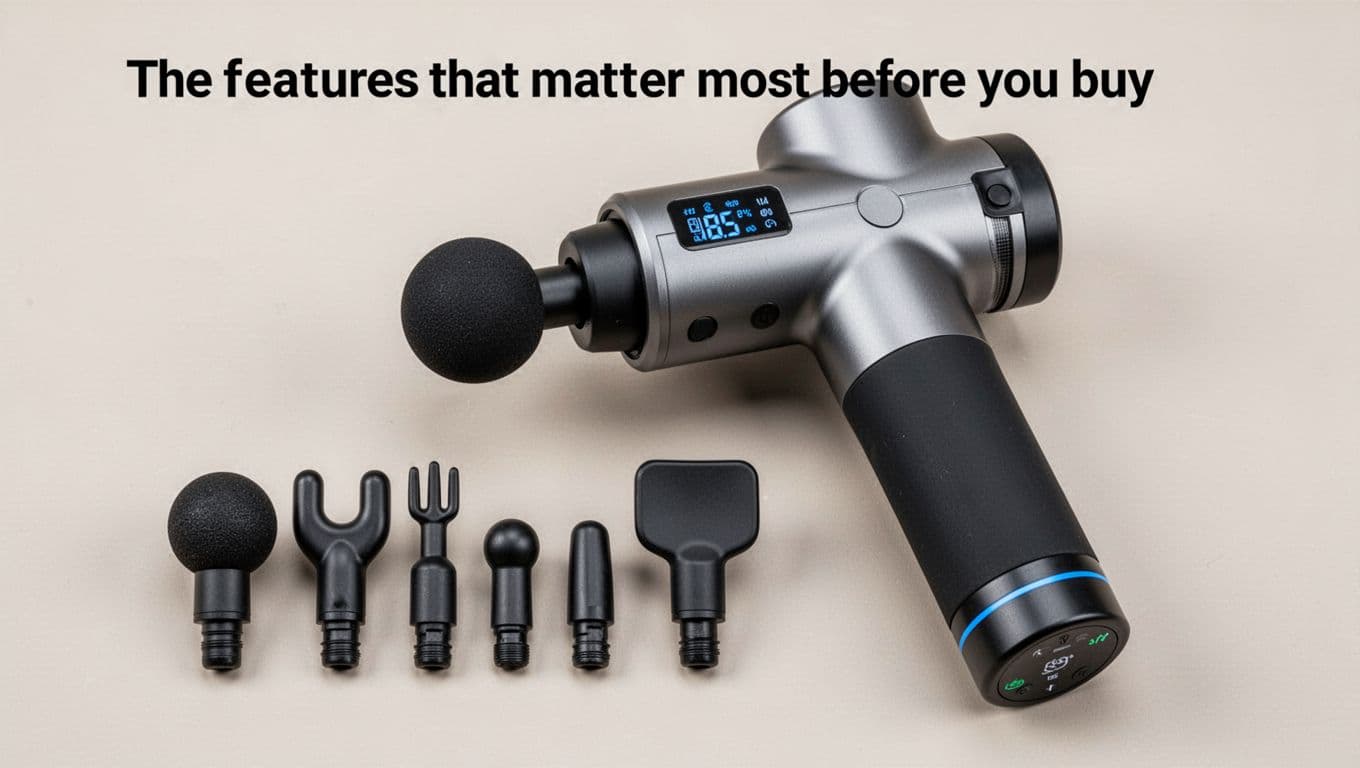
The features that matter most before you buy
A few specs tell you far more than flashy marketing ever will. Start with these, because they shape how a Massage Gun feels in real use.
Amplitude is how far the head moves in and out with each hit. A higher number usually means a deeper feel. If you want gentle daily use, lower amplitude is often enough. If your quads, glutes, or back stay tight after hard training, more depth can feel more useful.
Stall force tells you how much pressure the motor can handle before it slows or stops. Think of it like engine strength. A low stall force works fine for light gliding, but a stronger motor matters if you tend to press into dense muscles.
Next, check the speed settings. More speeds are helpful, but only if they are useful. For most people, a few clear levels are better than a long list you never touch. Lower speeds feel calmer and easier to control, while higher speeds can wake up larger muscles before activity.
Then look at battery life. If you use your Massage Gun for five minutes here and there, almost any decent battery may work. But if you travel often or use it several times a week, longer battery life and easy charging matter a lot. Fast charging and a travel lock are nice extras.
A few comfort details matter just as much:
- Weight: A heavy device may feel powerful, but it can tire your wrist fast.
- Noise level: Quieter models are easier to use at night, in an office, or while watching TV.
- Handle design: An ergonomic grip, especially a triangle or angled handle, helps you reach your back and legs without twisting.
- Attachments: A round head suits most people, a flat head works well for larger surfaces, and a fork or bullet head is more specialized.
If you only use one attachment most of the time, don’t pay extra for a big set you’ll ignore.
In short, don’t shop by power alone. A Massage Gun should feel like a good tool, not a noisy brick with a motor.
Which massage gun fits beginners, athletes, and travelers
The right choice depends on how you plan to use it. A beginner, an athlete, and a traveler may all want relief, but they will not enjoy the same device.
For beginners, comfort comes first. A lighter Massage Gun with a simple control panel, low starting speed, and a soft attachment is usually the safer pick. If a device feels too intense on day one, you probably won’t keep using it. Small to mid-size models often make the learning curve much easier.
For athletes or people who train hard, stronger performance makes more sense. They often benefit from higher amplitude, better stall force, and a handle that can reach hamstrings, glutes, and upper back without awkward angles. A few attachments help too, especially when one day calls for a broad head on the quads and another calls for more focused work.
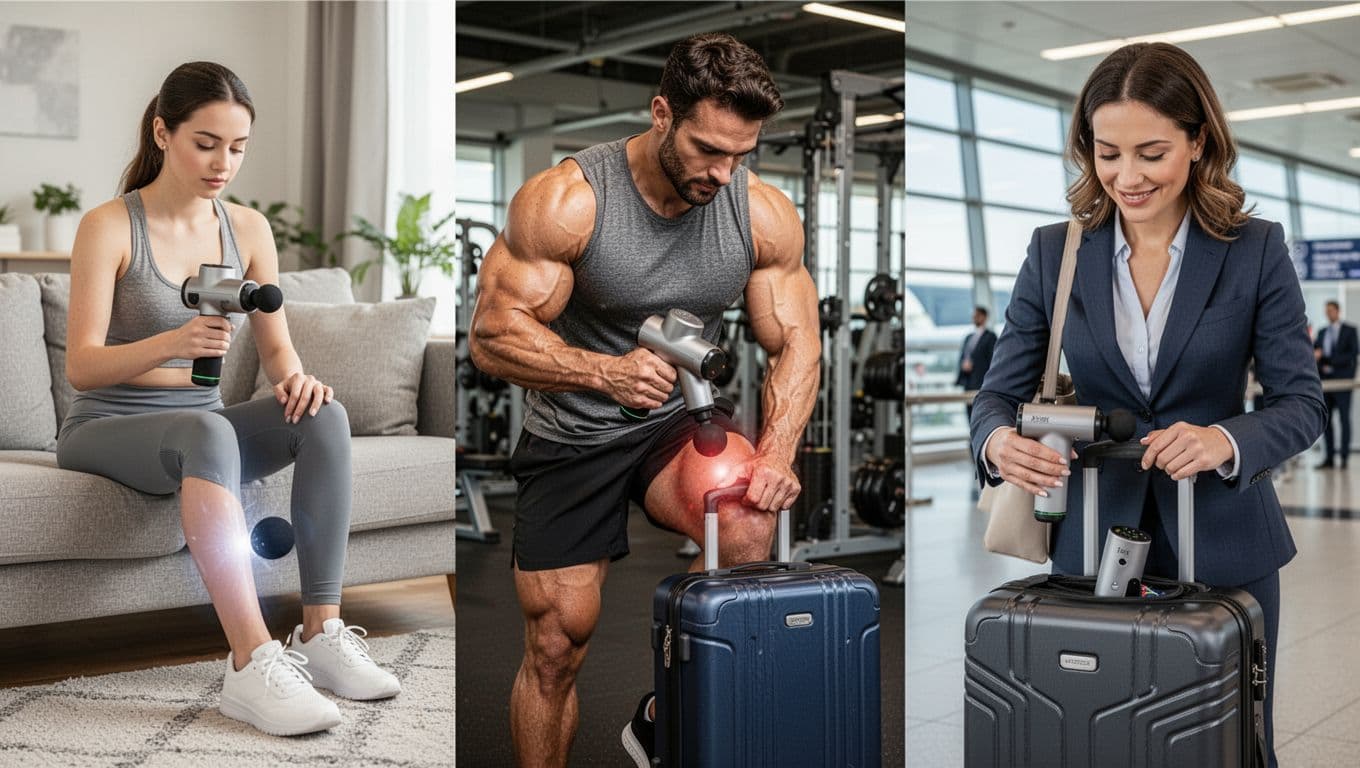
For travelers, size changes everything. A compact Massage Gun is easier to pack, easier to hold in tight spaces, and less annoying to carry through airports. Here, the sweet spot is usually a mini or foldable model with strong battery life, USB-C charging, and a case that keeps it from rattling around in your bag.
This quick comparison makes the trade-offs easier to scan:
| User type | Best priorities | Usually less important |
|---|---|---|
| Beginners | Light weight, low intensity, easy controls, quiet motor | Maximum power |
| Athletes | Higher amplitude, stronger stall force, better reach, durable build | Ultra-small size |
| Travelers | Compact size, long battery, travel lock, simple charging | Large attachment sets |
If you want quiet daily use, borrow a bit from the beginner playbook. Choose lower noise, lower weight, and easy handling first. A device you enjoy using three times a week beats a stronger one that sits in a drawer.
What 2026 buyers seem to care about most
This year, buyers seem less impressed by raw power alone. They still want a strong Massage Gun, but they also want it to feel smarter, quieter, and easier to live with.
One clear trend is better ergonomics. More people want handles that reduce wrist strain and help them reach tricky spots without turning their shoulder into a pretzel. Triangle grips, angled handles, and rotating arms have become more common because they solve a real problem.
Quieter motors also stand out. People use these devices at home, late at night, or while sharing space with others. A Massage Gun that sounds like a drill gets old fast. As a result, low-noise designs are getting more attention than before.
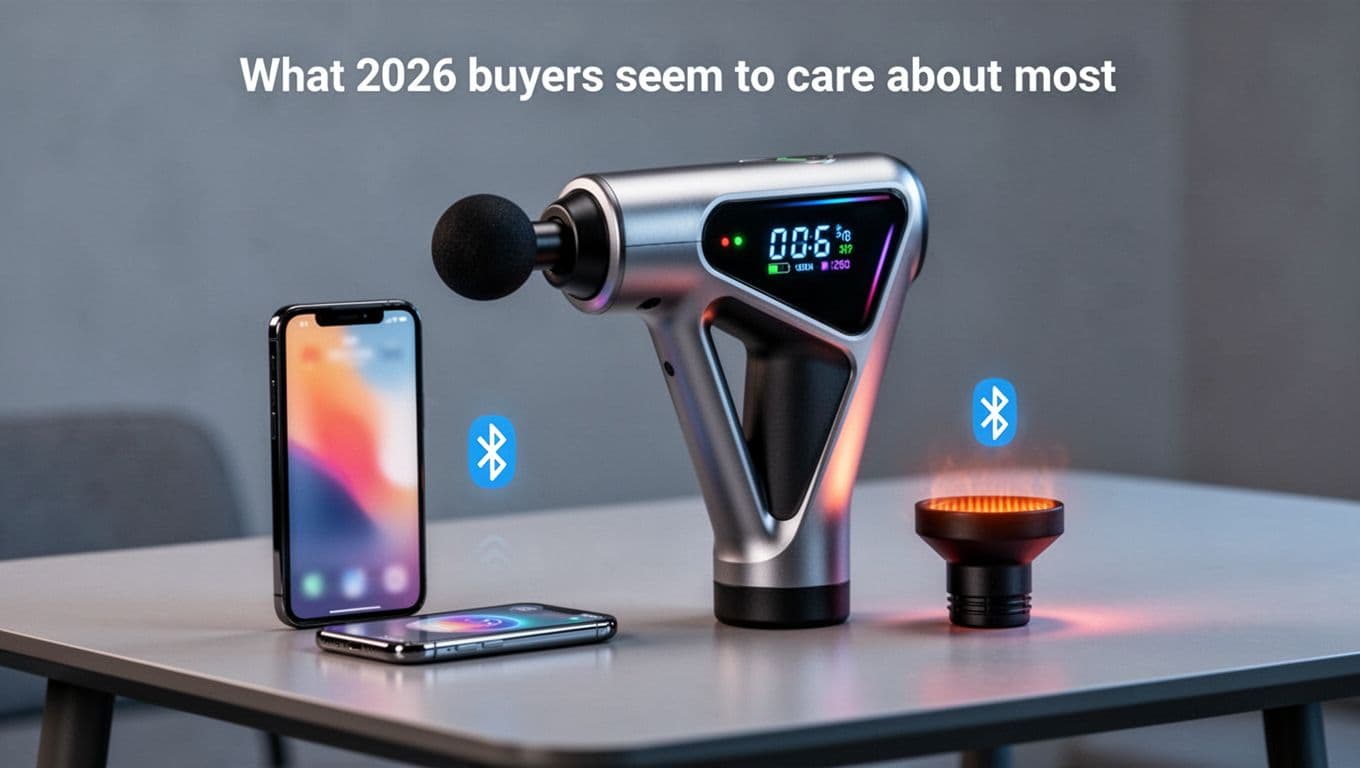
Battery life is another big theme. Buyers now expect a device to last through several sessions without constant charging. In the same way, compact designs are getting stronger, so people no longer have to choose between portability and decent performance.
Some newer models also add app support, which can help with guided routines, pressure feedback, and simple timing. That is useful for beginners, although not everyone needs it. If you already know how you like to use your device, a good handle and solid motor may matter more than Bluetooth.
Another feature getting attention is heat or cool options built into certain attachments. For some users, that makes the Massage Gun feel more versatile, especially for warm-up or post-workout comfort. Still, these extras are a bonus, not the main reason to buy.
The takeaway is simple: 2026 buyers seem to want a device that fits real life. They want enough power, but they also want comfort, quiet use, long battery life, and smart design. That’s a much better buying filter than chasing the strongest spec on the box.
Massage gun vs professional massage, when each one makes more sense
A Massage Gun and a professional massage can both help your body feel better, but they do different jobs. One is fast, portable, and easy to use at home. The other gives you trained hands, a calmer setting, and a more personal approach.
So the smart choice often comes down to what your body needs right now. If you want quick relief between workouts or after a long day at a desk, a device may be enough. If your tension runs deeper, your stress is high, or the problem keeps coming back, hands-on care usually offers more.
When a massage gun is the better quick fix
A Massage Gun shines when you need fast, targeted relief and don’t want to plan your whole day around it. You can use it for a few minutes after a workout, before a shower, or while winding down at home. That kind of convenience is hard to beat.
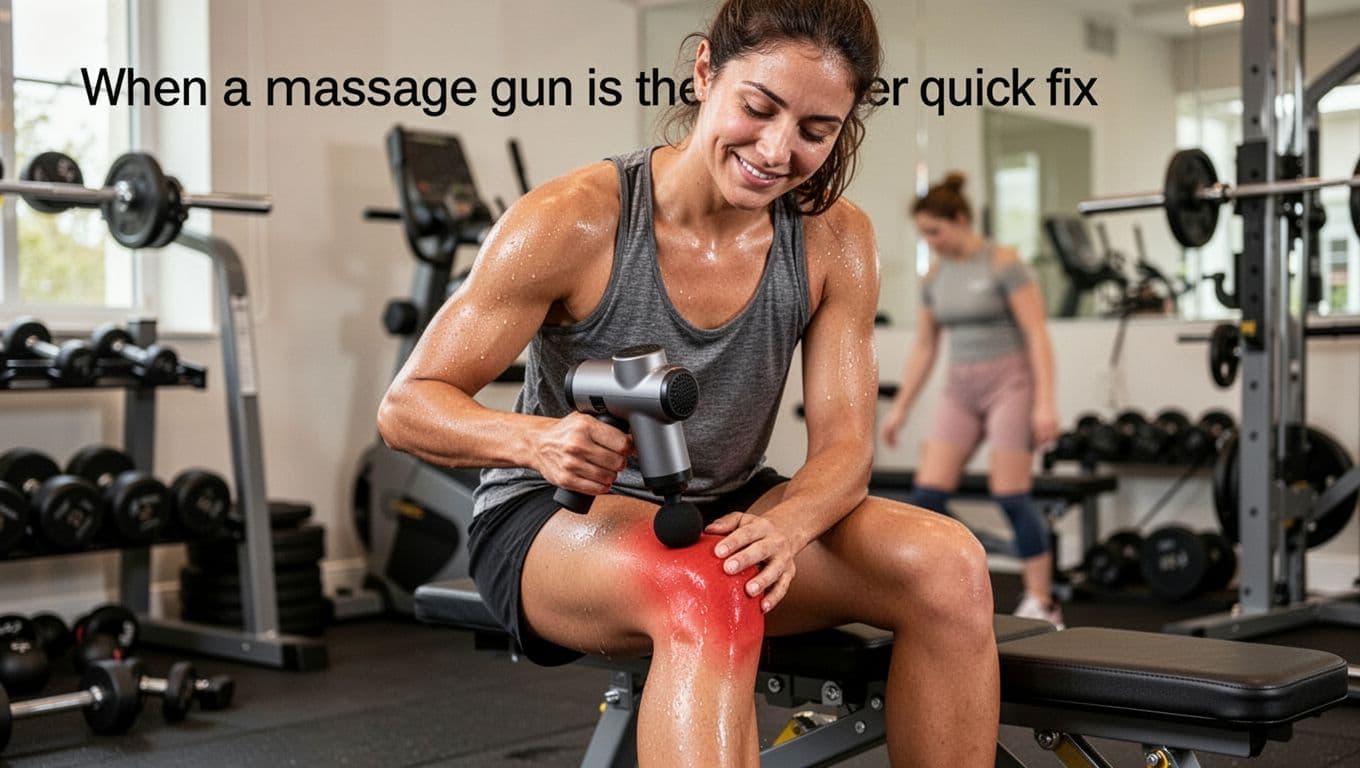
It’s especially useful for post-workout soreness. If your calves, quads, or glutes feel heavy the next day, a short session can take the edge off and help you move more comfortably. You are not trying to do a full treatment. You’re just giving the muscle a quick reset.
The same goes for desk-job stiffness. Tight shoulders, a cranky upper back, or stiff hips from sitting too long often respond well to brief, light use. In that moment, a Massage Gun works like a quick stretch break with extra punch.
It also makes sense when you’re traveling. You can’t pack a therapist in your bag, but you can bring a compact device. After a flight, a long drive, or hours in a hotel chair, a few minutes on your legs or upper back can help you feel less locked up.
For many people, this is where a Massage Gun fits best:
- Short sessions: Great when you only have 2 to 5 minutes.
- After exercise: Helpful for sore legs, tight shoulders, and tired glutes.
- Workday tension: Useful after long hours at a desk or behind the wheel.
- Travel recovery: Easy to use after sitting for too long.
- Between appointments: Good for regular muscle maintenance at home.
In short, a Massage Gun is the grab-and-go option. It won’t replace expert care, but it can keep everyday stiffness from piling up.
When professional massage offers more than a device can
A professional massage does more than press on sore spots. A skilled therapist reads what your body is doing, adjusts pressure as you respond, and works with a level of control that a device simply can’t match.
That matters because not all tension feels the same. One area may need slow, deep pressure. Another may need lighter touch, stretching, or a calmer rhythm. A therapist can change techniques in real time, while a Massage Gun gives the same basic type of input over and over.
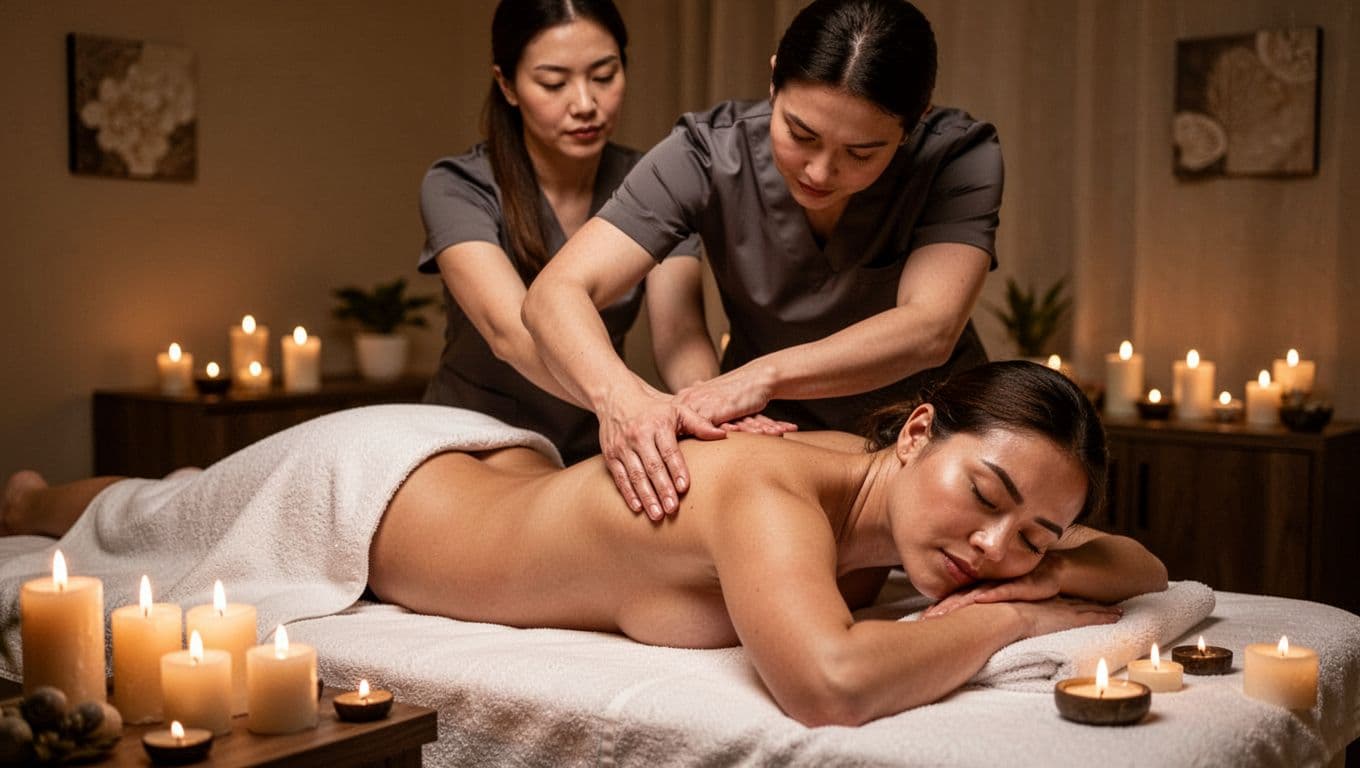
Professional massage also brings something many devices cannot, full-body relaxation. Human touch, quiet surroundings, and steady pacing can help your nervous system settle down. If stress lives in your shoulders, jaw, back, and sleep, that broader effect matters a lot.
Then there’s the benefit of expert assessment. A therapist can often tell the difference between general muscle tightness and a pattern that needs extra caution. They may notice that your hip tension is linked to posture, or that your neck discomfort is really coming from your upper back. A device cannot make those calls.
This is why professional massage often makes more sense when:
- You want custom pressure, not one fixed style of stimulation.
- Your tension is deep, widespread, or recurring.
- You need stress relief, not just muscle relief.
- You benefit from different techniques, such as deep tissue, Swedish, stretching, or slower relaxation work.
- You want someone to spot patterns you may miss on your own.
A Massage Gun treats the area you can reach. A good therapist often finds the area you didn’t realize was part of the problem.
Why many people get the best results by using both
For a lot of people, this is not an either-or choice. It is more like using a toothbrush and seeing a dentist. One helps with regular upkeep, while the other handles deeper care that needs more skill.
A Massage Gun works well for quick daily muscle care. You can use it after training, after commuting, or when your shoulders tighten up halfway through the week. Those small sessions can help stop minor stiffness from building into something more annoying.
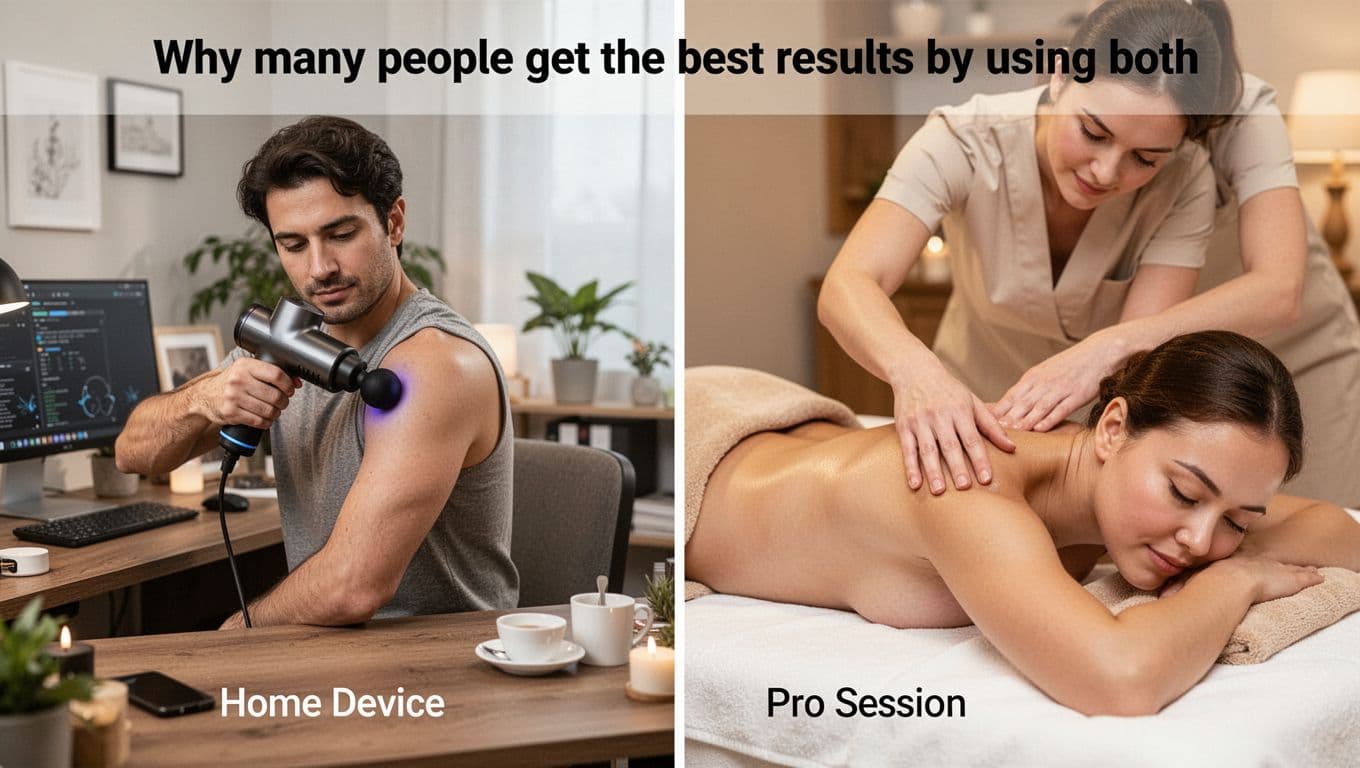
Professional massage, on the other hand, can tackle the things that home tools struggle with. Think deeper knots, whole-body tension, stress-heavy weeks, and recovery that feels stuck. A session can also help when you want to fully switch off instead of managing your body one sore spot at a time.
A practical routine might look simple:
- Use your Massage Gun briefly during the week for sore quads, calves, shoulders, or upper back.
- Book a professional massage when tension feels layered, widespread, or tied to stress.
- Pay attention to patterns, if you keep treating the same spot every day, your body may need more than a device.
This mix is often the sweet spot. You get the speed and convenience of home care, plus the depth and reset of expert hands. That way, your Massage Gun handles the little fires, while professional massage helps prevent the whole system from feeling overloaded.
Conclusion
A Massage Gun can be a smart, practical tool for sore muscles, stiff legs, and everyday tension, especially when you use it with a light hand and realistic expectations. It works best as part of a simple recovery routine, not as a fix for every kind of pain. Used well, it can help you move easier, feel less tight, and stay more consistent with how you care for your body.
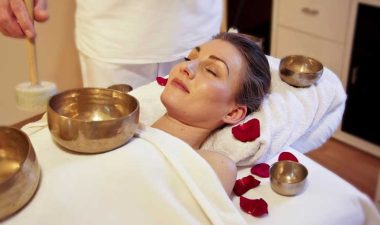
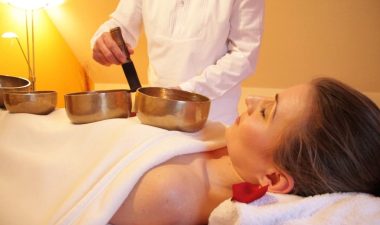
At the same time, the right choice depends on your body, your goals, and what actually feels good to you. Some people need a compact device for quick relief at home or on the go, while others do better with a mix of self-care and professional support. If you want a more hands-on reset, calming treatment, or deeper whole-body relief, Relaxing Singing Bowl Sessions can be a helpful next step.
Most importantly, keep safety at the center. Start slow, stay on muscle, avoid sensitive areas, and let comfort guide the session. Pick the Massage Gun that fits your life, not just the one with the biggest claims, because the best recovery tool is the one you can use safely, regularly, and with confidence.