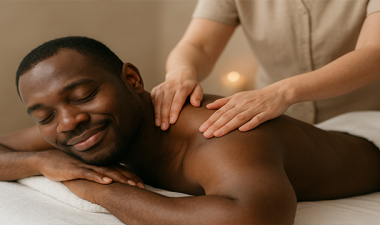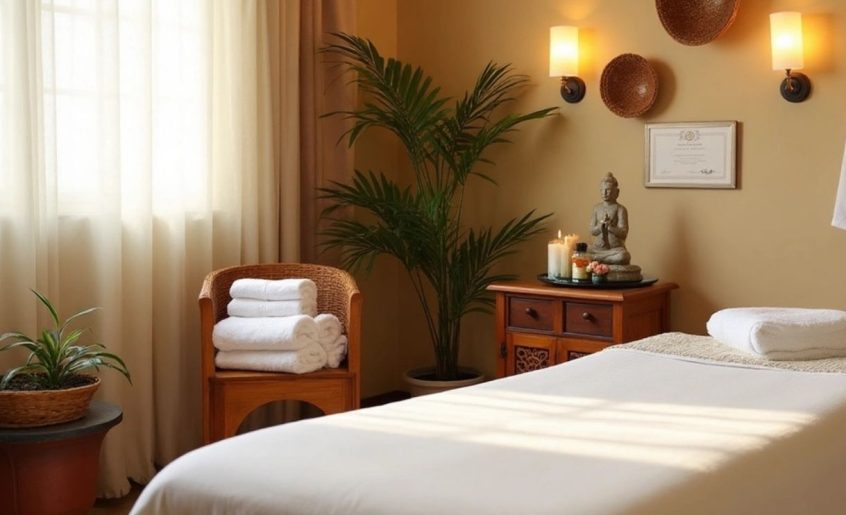
Life in Nairobi can feel full from the moment the day starts. Between traffic, work, errands, and nonstop plans, it’s easy to carry stress in your neck, shoulders, back, and mind. That’s why finding a good Massage SPA in Kilimani can make such a real difference.
Kilimani stands out because it’s easy to reach, yet it still gives you room to slow down and reset. For many people, it’s one of the most convenient places in Nairobi to step away for an hour, breathe, and get proper rest without leaving the city behind.
A good massage does more than feel nice. It can help ease muscle tightness, lower stress, support better sleep, and give desk workers real relief in the head, neck, and shoulders. In Kilimani, you’ll also find popular options like Swedish massage, deep tissue massage, aromatherapy, Thai massage, and hot stone sessions, so there’s usually something that fits your mood and your body.
This guide will help you sort through what matters most. You’ll learn the benefits of massage, the kinds of services you can expect, how to choose the right spa for comfort and privacy, and how to plan a visit that actually leaves you feeling better.
If you’re looking at local options, Black Berry Massage & SPA is one of the names you’ll come across in Kilimani. Located at Jade Residency on Kindaruma Road, it fits what many people want from a spa visit, a calm setting, personal comfort, and treatments designed for real relaxation. If you’d like a quick sense of available treatments, you can also explore their spa service fees and massage options.
Whether you need a short break after a long week or a quiet place to fully switch off, this guide will help you find the right fit in Kilimani.
What makes a Massage SPA in Kilimani worth visiting
A good spa visit should fit real life, not fight against it. That is one reason a Massage SPA in Kilimani stands out for so many Nairobi residents, office workers, and short-stay visitors.
Kilimani gives you a useful balance. It has the energy of a central city area, but it also has pockets of calm that make rest feel possible. When a spa is close to where you live, work, or spend your weekend, self-care stops feeling like a big plan and starts feeling doable.
A central location that fits busy Nairobi schedules
Kilimani works because it sits where many people already move through their day. If you live nearby, work along major routes, or meet friends in the area, you can book a session without turning it into a cross-city trip.
That matters more than it sounds. Nairobi traffic can turn a simple errand into a long, draining outing. By choosing a spa in Kilimani, you cut down travel time and save energy for the treatment itself. Instead of arriving tense and rushed, you arrive with a better chance of actually relaxing.

It also suits the rhythm of a normal week. Many people want a massage:
- After work, when their shoulders feel tight and their mind is still racing
- On weekends, when they finally have space to slow down
- Between errands or meetings, when a short reset can change the whole day
Because Kilimani connects easily to busy parts of Nairobi, it often feels like the practical middle ground. You’re not going too far out, but you’re also not stuck in the middle of constant noise. That mix makes it easier to keep appointments, rebook, and treat massage as part of your routine instead of a once-in-a-while luxury.
A quieter setting for rest, comfort, and privacy
Location gets you there, but the setting is what helps your body let go. The right spa environment can make you relax faster, sometimes within minutes of walking in.
Clean rooms matter. Fresh linens matter. Soft lighting, calm music, and a well-kept treatment space all send the same message to your body: you can switch off now. In a good spa, nothing feels crowded, harsh, or distracting. The room should feel like a pause button.
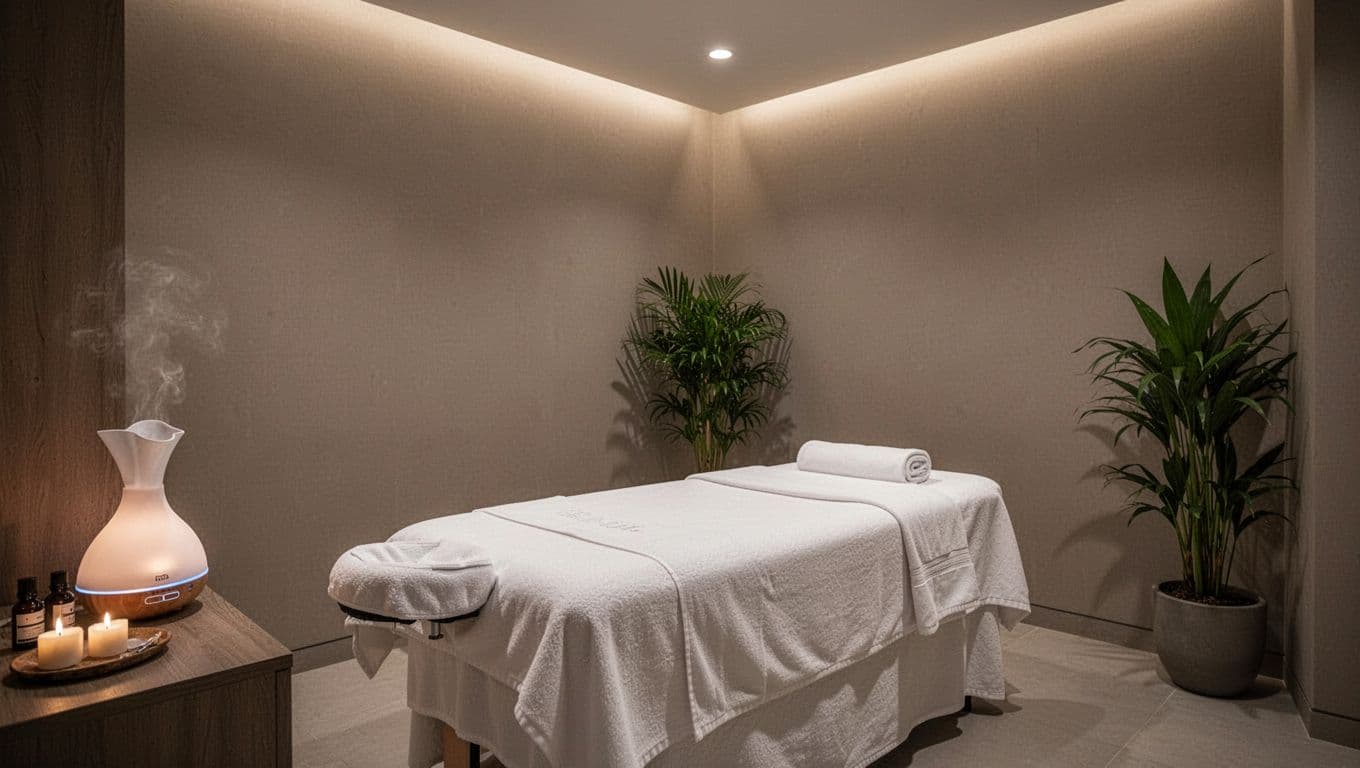
Privacy is just as important. Many people don’t want a rushed, exposed, or noisy experience. They want a private treatment room, a quiet atmosphere, and enough space to feel comfortable from start to finish. When that happens, your mind stops scanning the room for stress and starts settling down.
A peaceful spa doesn’t only look good, it helps your body respond better to the massage.
This is where Kilimani often gets it right. The area has enough calm to support rest, yet it still feels close to the city. So you get convenience without giving up comfort, and that combination is hard to beat.
Why local clients keep coming back for regular treatments
People rarely return to a spa just because it looks nice. They come back because they feel the difference later that day, that night, and sometimes the whole week after.
Regular massage can help in simple, real ways. It can ease stress after long workdays, loosen muscles tightened by gym sessions or desk work, and help you sleep better when your body has been carrying too much tension. For many people, that’s the difference between feeling worn out and feeling reset.
Think of it like routine maintenance for your body. You don’t wait for everything to go wrong before you pay attention. A massage can help keep small aches, stiffness, and mental fatigue from building into something bigger.
Local clients often rebook because massage supports everyday wellness in ways they can actually feel:
- Stress relief from packed schedules, traffic, and mental overload
- Muscle recovery after exercise, long sitting hours, or poor posture
- Better sleep because the body feels calmer and less tense
- General well-being through regular time set aside to rest and recover
Some also like adding treatments that deepen the calm. For example, Singing Bowl Therapy can appeal to people who want a quieter, more soothing reset alongside massage.
In short, a spa in Kilimani is worth visiting when it makes relaxation easy to reach, easy to enjoy, and easy to return to. That convenience is often what turns one good session into a healthy habit.
Massage treatments you can expect at a Kilimani spa
When you book a session at a Massage SPA in Kilimani, the menu can look simple at first, but the feel of each treatment is very different. Some massages are soft and calming. Others go after stubborn tension. A few are less about pressure and more about mood, warmth, or movement.
That matters because the best massage is not always the most popular one. It is the one that matches what your body needs that day. If you want a broader look at options and rates, you can browse these spa service fees and massage options.
Swedish massage for gentle, full body relaxation
Swedish massage is the classic choice for people who want to relax from head to toe without feeling worked over. The therapist uses long, smooth strokes, light kneading, and gentle pressure to help your body settle. Think of it like untangling a loosely tied knot instead of pulling hard on it.
For most people, the pressure feels light to medium. It should be soothing, not intense. You may feel your shoulders drop, your breathing slow, and your mind get quieter within minutes. That is a big reason many first-time spa guests start here.
It’s often the best fit if you:
- feel mentally tired and physically tense
- want a calm, full-body reset
- are new to massage and unsure about stronger pressure
- prefer comfort over intensity
Because Swedish massage is softer, it gives beginners a safe place to learn what they like. You can notice how your body responds to touch, where you carry stress, and whether you want more pressure next time. For someone booking their first session in Kilimani, this is often the smartest starting point.
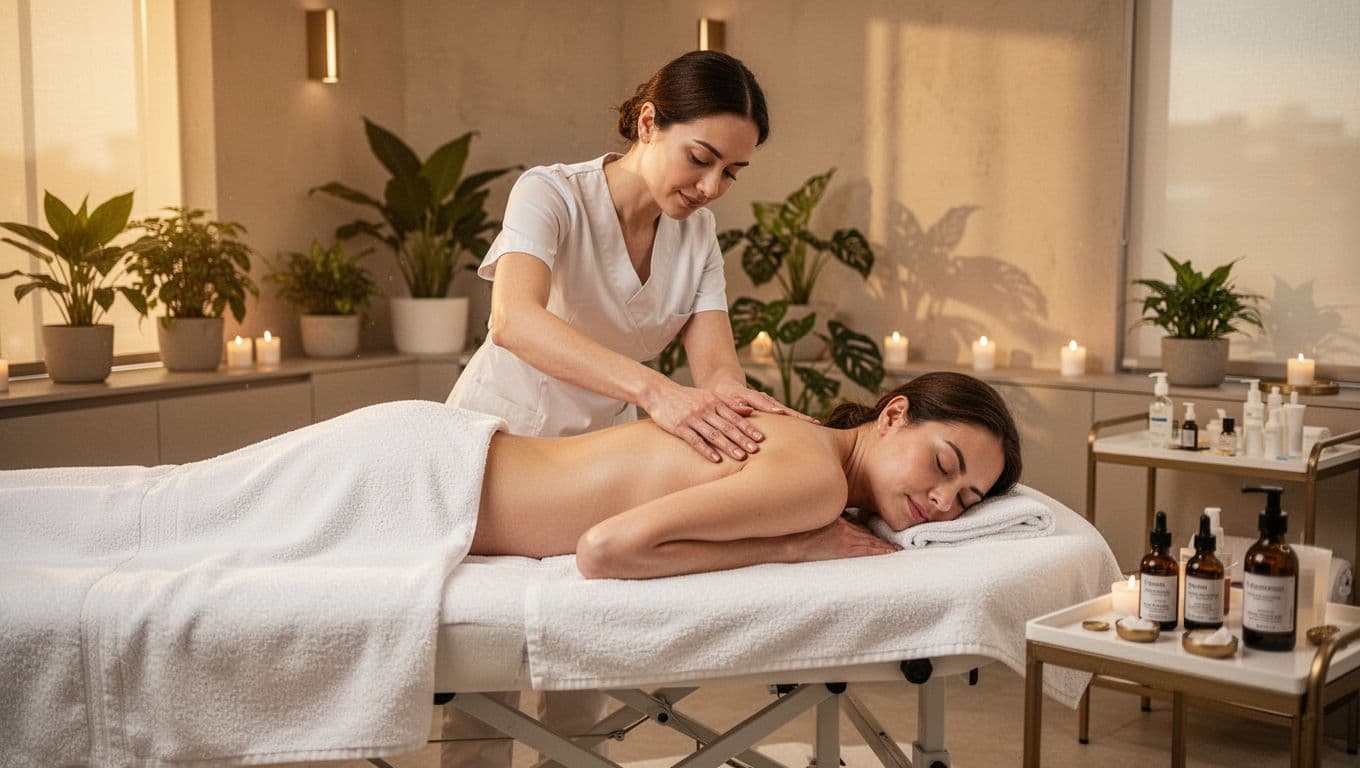
Another plus is that Swedish massage tends to suit a wide range of people. If your stress shows up as restless sleep, a busy mind, or that “always switched on” feeling, this style can help you slow down. It may not target deep knots as aggressively, but it often leaves you feeling lighter, calmer, and more balanced.
Deep tissue massage for tight muscles and body pain
Deep tissue massage is for the days when gentle strokes will not cut it. If your neck feels locked, your back stays stiff, or your shoulders feel like they are carrying bricks, this treatment makes more sense. The therapist uses slower, firmer pressure to work into deeper muscle layers where tension often builds up.
This option is common for people dealing with:
- muscle knots that feel hard or tender
- desk-job stiffness in the neck, shoulders, and lower back
- post-workout soreness after intense training
- ongoing tightness from stress or poor posture
The key thing to know is that deep tissue massage can feel strong. It should feel purposeful, not punishing. Good pressure is a bit like pressing into dough, firm enough to change it, but not so hard that it tears. If the pressure feels too sharp or you start bracing, it is too much.
Deep tissue works best when the therapist matches the pressure to your comfort, not when they push past it.
That is why clear communication matters so much. Tell the therapist where the pain sits, whether it spreads, and what pressure you can handle. A skilled therapist can adjust as they go, spending more time on stubborn areas without turning the whole session into an endurance test.
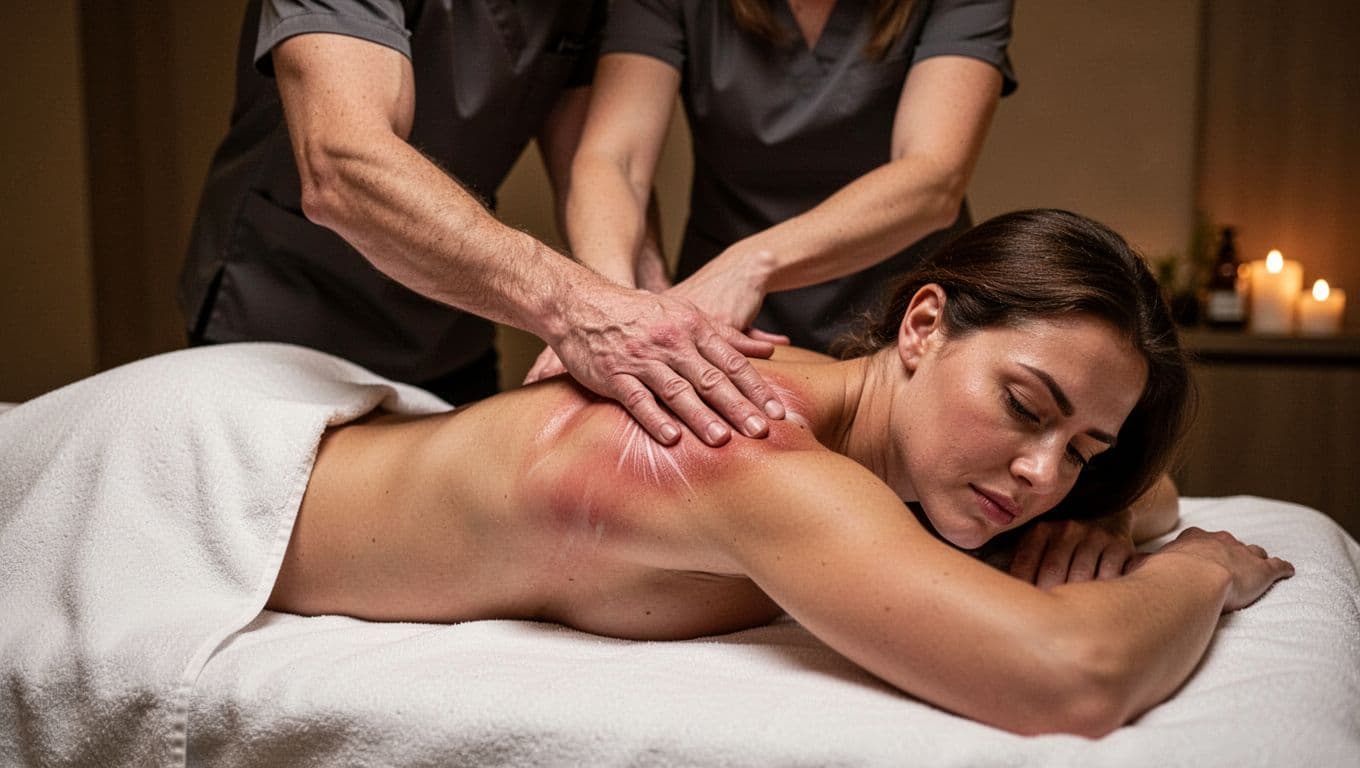
In a Massage SPA in Kilimani, deep tissue is often the go-to choice for office workers, gym regulars, and anyone who wakes up already feeling tight. It is less dreamy than Swedish massage, but for the right person, the relief can be much more noticeable. If you also want to understand products that support this style, such as oils and thicker creams, this guide on deep tissue massage creams adds useful context.
Aromatherapy, hot stone, and Thai massage for a different spa experience
These three styles all feel different from standard massage, and each one changes the session in its own way.
Aromatherapy massage adds essential oils to the treatment, so scent becomes part of the experience. The pressure is often gentle to medium, much like a relaxing Swedish session, but the mood shifts because of the oils. Lavender may feel calming, while citrus or eucalyptus can feel fresh and uplifting. If stress has left you mentally foggy or emotionally drained, aromatherapy can feel like opening a window in a stuffy room.
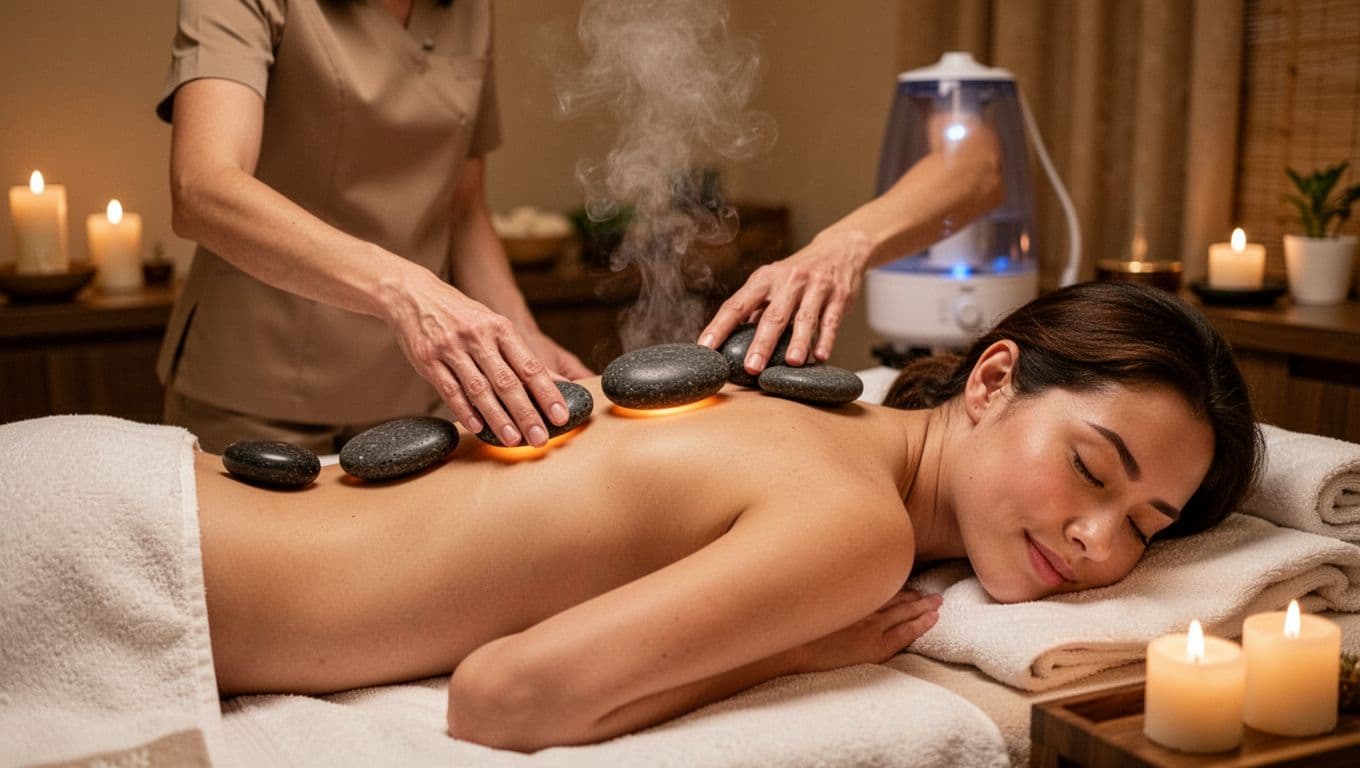
Hot stone massage brings heat into the treatment. Warm stones are placed on key areas, and the therapist may also use them during the massage. The heat helps muscles soften faster, which can make tight spots easier to release. If your body feels heavy, stiff, or cold from long hours sitting still, hot stone often feels deeply comforting.
Thai massage is the most different of the three. Instead of mostly lying still while the therapist uses oils, you can expect more guided stretching, body movement, and pressure along different parts of the body. It can feel a bit like assisted yoga, only you do not have to do the work alone. This style suits people who feel stiff, compressed, or low on mobility rather than simply sore.
A simple comparison helps:
| Treatment | Best for | What it feels like | What makes it unique |
|---|---|---|---|
| Aromatherapy | Stress, mental fatigue, better sleep | Gentle, soothing, scent-led | Essential oils shape the mood |
| Hot stone | Muscle tightness, body fatigue, deep comfort | Warm, calming, muscle-softening | Heat helps the body let go |
| Thai massage | Stiffness, low flexibility, body tension | Stretching, pressure, movement | More active and body-based |
So, if you want a calm mood, pick aromatherapy. If warmth sounds like relief, hot stone is a strong option. If your body needs more opening up than melting down, Thai massage may fit best.
How to choose the right treatment for your needs
The easiest way to choose is to stop thinking about the service name and start with your goal. Ask yourself what feels off right now. Stress? Pain? Poor sleep? Heavy legs? A tired mind? Your answer usually points you in the right direction.
Here is a quick way to think about it:
- If you feel stressed or overstimulated, start with Swedish or aromatherapy massage.
- If you have knots, soreness, or body pain, deep tissue is often the better fit.
- If you feel worn out and physically heavy, hot stone can feel more comforting.
- If you feel stiff and less flexible, Thai massage may help more than a standard oil massage.
- If you are completely new to massage, Swedish is usually the easiest first step.
Sleep issues can also guide your choice. If your body is tense but your main problem is winding down at night, a gentler treatment often works better than a very intense one. Strong deep tissue can help the body, but it is not always the most calming option right before rest.
Your therapist can only tailor the session if you speak up. Before the massage starts, share a few clear details:
- where you feel pain or tightness
- whether you want gentle, medium, or strong pressure
- if you are new to massage
- whether your goal is relaxation, pain relief, or recovery
That short conversation can change the whole session. It helps the therapist avoid guesswork and build the treatment around your body, not just the name on the menu.
If you want the best result from a Massage SPA in Kilimani, think of the treatment like choosing the right pair of shoes. A good option should fit your purpose, feel right on your body, and leave you better off when you walk out than when you walked in.
How to choose the best Massage SPA in Kilimani for your needs
Picking the right Massage SPA in Kilimani is less about fancy words and more about fit. You want a place that matches your goal, whether that is stress relief, muscle work, privacy, or a quiet reset after a long week.
A good spa should feel right before the massage even starts. The menu should make sense, the staff should sound informed, the space should look well-kept, and booking should not feel like chasing someone down. When those basics are solid, your chances of a good experience go way up.
Check the spa menu, therapist experience, and treatment focus
Start with the treatment list. A spa may look great online, but that does not help if it does not offer the massage you actually need. If you want deep pressure for stubborn knots, a soft relaxation menu will not be enough. If you want a calm first visit, a place built around intense bodywork may feel like the wrong shoe on the right foot.
Look for a spa menu that is clear and specific. You should be able to tell the difference between Swedish, deep tissue, aromatherapy, hot stone, and Thai massage without guessing. A varied menu usually tells you two useful things: the spa understands different client needs, and the team likely works with more than one treatment style.
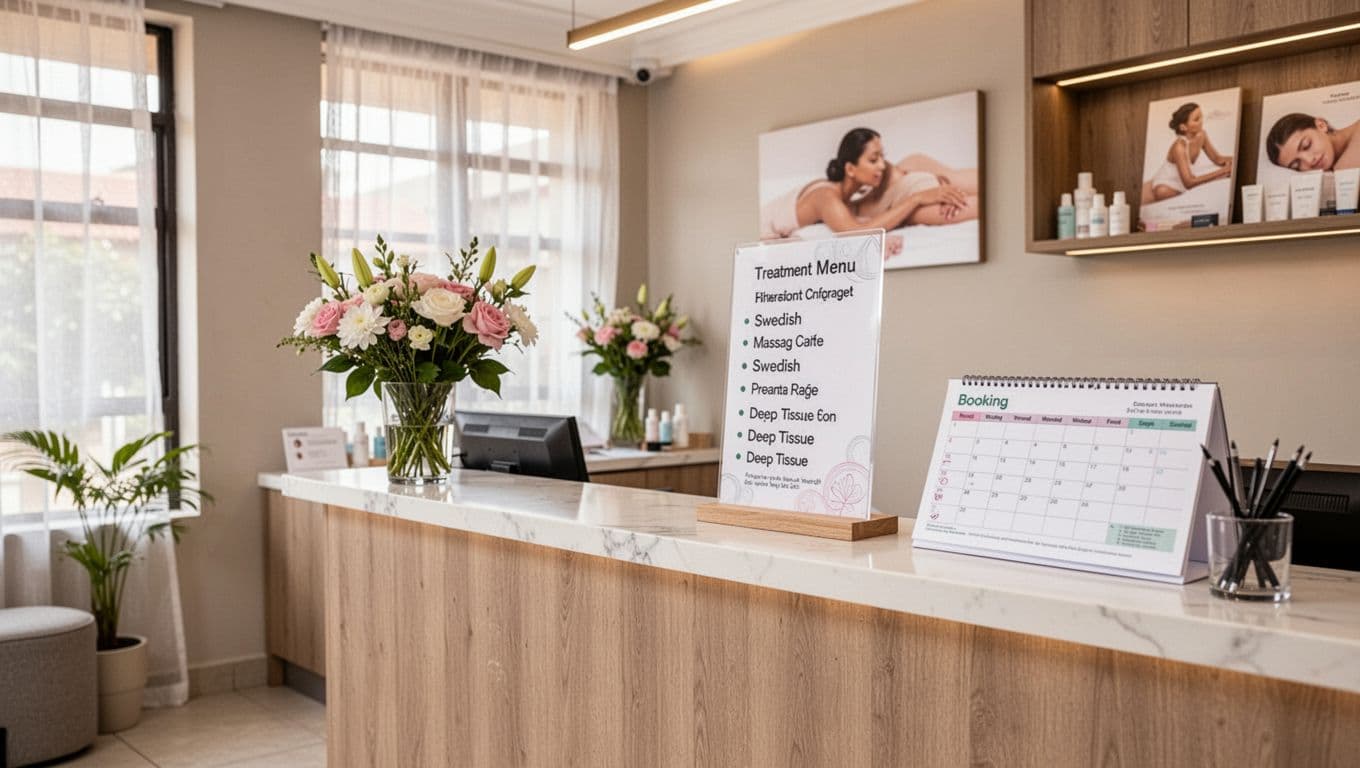
Next, pay attention to therapist experience and overall professionalism. You do not need a long list of certificates on a wall, but you should see signs that the team knows what they are doing. For example, a good spa explains treatments clearly, asks about pressure, and helps you choose based on your needs instead of pushing the most expensive option.
That matters because massage is not one-size-fits-all. A skilled therapist should know when to use steady pressure, when to ease off, and how to adapt the session if your shoulders are tight but your lower back is sensitive. In other words, you are not just buying time on a table, you are paying for judgment and care.
If a spa mentions privacy, treatment variety, and advance booking, that is also a good sign. It suggests the business has thought about the full client experience, not only the massage itself. On the Black Berry site, for example, you can browse different treatments and get a feel for the spa service fees and massage options before booking, which makes choosing easier.
The best spa for you is not always the one with the longest menu. It’s the one with the right treatment, done by the right hands.
Look for a clean space, clear pricing, and easy booking
A trustworthy spa usually gets the small things right. Clean rooms, fresh linens, tidy reception areas, and a calm setup all matter because they shape how safe and comfortable you feel. If the spa looks careless in public areas, most people will wonder what happens behind closed treatment doors.
Cleanliness is not a luxury detail. It is a basic sign of standards. Photos can help, but clear business details help too. A reliable spa should make it easy to find its location, contact options, and working hours. That saves you from awkward last-minute confusion, especially in a busy area like Kilimani where time and traffic already test your patience.
Pricing should also be easy to understand. You should know what you are paying for, how session length affects the rate, and whether extras like hot stones or aromatherapy change the cost. If the pricing feels vague, or if every answer sounds like “we’ll tell you later,” take a step back. Transparent prices often point to a business that respects your time and budget.
If you want a better sense of what can affect cost, this guide on what influences spa treatment prices gives helpful context. It can make it easier to compare value instead of chasing the lowest number.
Booking is another simple test. A good spa should respond clearly, whether through WhatsApp, phone, or a contact form. You should be able to ask about treatment duration, timing, and availability without waiting forever for a reply. Fast does not always mean better, but clear and polite communication usually points to a more organized business.
A few signs are worth noticing right away:
- Clear rates: Prices are listed in a way you can follow.
- Easy contact: WhatsApp, phone, or form details are visible and active.
- Defined hours: Opening times and location are easy to confirm.
- Smooth reservations: The spa encourages advance booking, especially for peak times.
- Professional tone: Replies sound helpful, not rushed or careless.
When a spa is easy to reach and easy to understand, you can relax before you even arrive.
Read reviews carefully and know what signs matter most
Reviews help, but only if you read them with a clear eye. Do not focus only on star ratings. Read the actual comments and look for repeated patterns. When many clients mention the same strengths, that usually tells you more than one glowing line ever could.
Recent feedback around Kilimani spas tends to praise a few things again and again: skilled therapists, on-time service, clean spaces, and a calm atmosphere. Those are strong signs because they speak to the full experience, not just how the lobby looks in photos. Some reviewers also mention friendly staff and good value, which matters if you plan to book more than once.

Still, read with balance. A single perfect review does not prove consistency, and one bad review does not tell the whole story either. What you want is a pattern. Do people mention that therapists listen? Do appointments start on time? Does the place feel peaceful instead of noisy or rushed? Those details matter more than broad praise like “nice place.”
When reading testimonials on a spa’s own site, use them as one piece of the puzzle. They can still be useful because they often reveal what clients remember most. For example, feedback like the customer experience with Dave Clais highlights therapist knowledge, friendly service, and real relaxation, which are all meaningful signs when you are comparing options.
A smart way to read reviews is to scan for these themes:
- Therapist skill: Do clients mention pressure control, technique, or problem-area relief?
- Punctuality: Does the session start close to the booked time?
- Cleanliness: Are rooms, linens, and common areas described as fresh and neat?
- Atmosphere: Do guests describe the place as calm, private, and comfortable?
- Service quality: Are staff responsive, polite, and clear before and during the visit?
In short, reviews are most useful when they confirm what the spa already shows through its menu, setup, and communication.
Questions to ask before you book your appointment
Before you confirm a session, ask a few simple questions. Not a full interview, just enough to avoid surprises. A good spa should answer these easily, and the way they answer often tells you as much as the answer itself.
Start with the basics that affect your comfort. Ask how long the session lasts, what pressure levels are available, and whether the treatment is full-body or focused on a specific area. If you have sore shoulders, lower back pain, or a low tolerance for strong pressure, say that early. It helps the spa match you with the right treatment and therapist.
Then ask about details that can shape the feel of the session. You might want to know what oils are used, whether unscented options are available, or if you can request a male or female therapist. If you are booking with a partner, ask whether couples sessions are offered and whether both treatments happen in the same room or at the same time.
A few practical questions go a long way:
- How early should I arrive? Many spas prefer a short buffer before the appointment.
- Can I request light, medium, or strong pressure? This matters more than many first-time clients think.
- What oils or products do you use? Helpful if you have scent or skin concerns.
- Can I choose a therapist preference? Good to ask early, especially on busy days.
- Do you offer couples options? Useful for shared bookings or special plans.
- Do I need to reserve in advance? Often yes, especially for evenings and weekends.
These questions are not about being difficult. They help you get the treatment you actually want. Think of it like confirming a hotel room before a trip. The basics may look fine online, but the details decide whether the experience feels smooth or frustrating.
If a spa answers clearly and without fuss, that is a very good sign. It usually means they are organized, client-focused, and used to helping people book with confidence. And when that happens, finding the right Massage SPA in Kilimani becomes much simpler.
What your visit to Black Berry Massage and SPA in Kilimani can feel like
If you’re looking for a Massage SPA in Kilimani that feels easy to settle into, Black Berry Massage & SPA gives that local, tucked-away sense of calm many people want. Set at Jade Residency on Kindaruma Road, it offers a quieter pause from the noise outside, without asking you to travel far from your normal routine.
What stands out is not just the menu of treatments. It’s the feeling of being able to slow down, breathe, and let your guard drop for a while. Whether you’re coming in for stress relief, sore muscles, or a simple self-care break, the experience works best when comfort, privacy, and professional care all come together.
A welcoming setting for stress relief and quiet recovery
The first few minutes matter. When you step into a spa that feels calm, clean, and private, your body often starts relaxing before the massage even begins. At Black Berry Massage & SPA, that sense of ease is part of the appeal. The setting is designed for people who want rest, not noise, rush, or unnecessary attention.
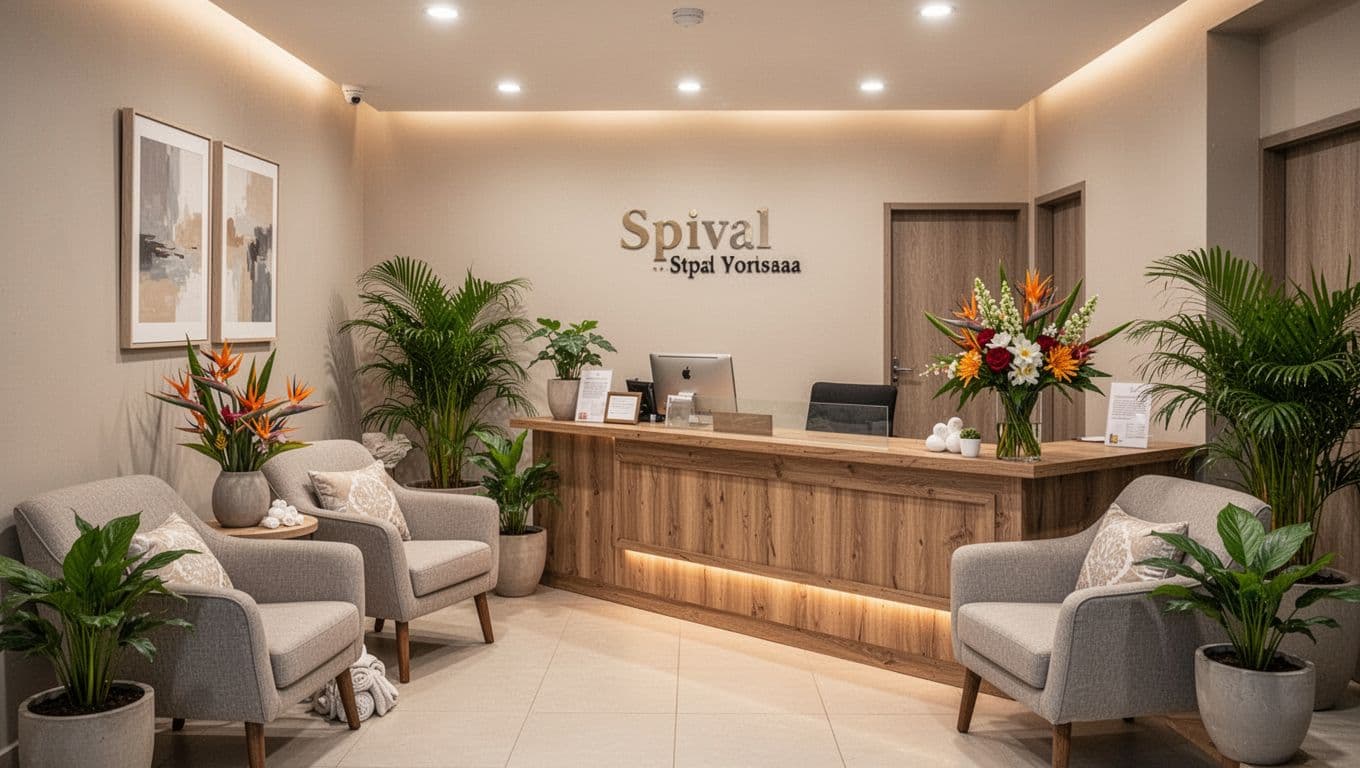
That matters because stress doesn’t leave all at once. It loosens in stages. First your breathing slows, then your shoulders soften, then your mind stops racing through the day. A good spa setting helps that process along. Soft lighting, prepared rooms, and a quiet tone can make the whole visit feel less like an appointment and more like stepping into a buffer zone between pressure and peace.
Privacy also plays a big part. Many clients do not want a crowded or exposed space, especially when they come in already tired, tense, or mentally drained. A more private environment makes it easier to relax into the treatment and focus on how your body feels. That’s one reason a local option like Black Berry Massage & SPA can feel reassuring. It keeps the experience personal.
If you value a place where comfort comes first, that local feel can go a long way. You can also get a better sense of the brand’s style and client-facing approach through Miss Monica Betty’s profile, which reflects the human side of the experience.
The best spa visits often start quietly, with the simple feeling that you don’t need to be “on” for the next hour.
Popular massage options for different goals and body needs
Not every visit feels the same, because not every body shows up with the same need. Some days you want full-body calm. Other days, your neck and shoulders feel like they have been carrying the whole week. Black Berry Massage & SPA works well for this because the service range gives you room to choose based on how you actually feel.
For many people, Swedish massage is the easiest place to start. It suits general relaxation, mental fatigue, and that worn-out feeling that builds after busy days. The pressure is usually gentler, so it helps you settle rather than brace. If your main goal is to rest, reset, and leave feeling lighter, this is often the right call.
Then there is deep tissue massage, which fits a very different kind of visit. If your back feels tight, your shoulders are stiff, or your muscles ache after gym sessions or long desk hours, deeper pressure may help more. It is less floaty, more focused. When done well, it can feel like someone is finally getting to the root of the tension rather than skimming over it.
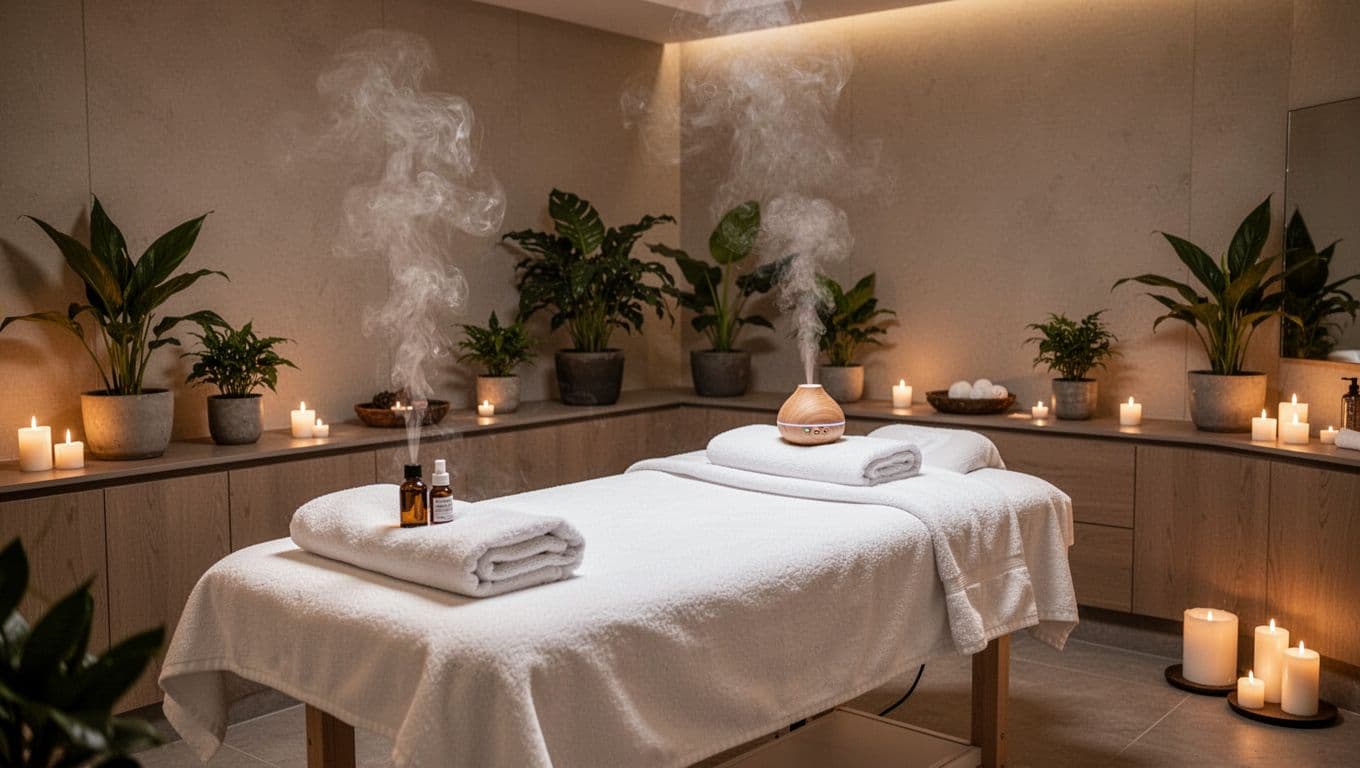
Other options shape the mood in their own way:
- Aromatherapy massage: Great when your mind feels busy and you want a softer, more soothing session.
- Hot stone massage: A strong fit for body fatigue, muscle heaviness, and the need for warmth and deep comfort.
- Thai massage: Helpful if stiffness and limited movement are the bigger issue.
- Other listed therapies: Useful for clients who want to go beyond a standard massage and explore added relaxation or wellness-focused treatments.
That variety is useful because self-care is rarely one-size-fits-all. A person coming in after a long week at work may want calm and quiet. Someone else may need focused muscle work after workouts or poor posture. Another client may simply want an hour that feels restorative, almost like pressing reset on both body and mood.
If you’re comparing options before you go, browsing the spa service fees and massage options can help you match the treatment to your goal without guesswork. And if you like hearing how others describe the experience, Harry Coolstyle’s review gives a useful picture of what relaxed, attentive care can feel like in practice.
Why booking ahead can make the experience smoother
A good spa visit feels better when it starts without friction. Booking ahead helps with that. At a busy Massage SPA in Kilimani, preferred slots can fill quickly, especially in the evenings, on weekends, or around special plans like birthdays, date days, or recovery time after a demanding week.
When you reserve in advance, a few things get easier. First, you have a better shot at the time you actually want. Second, you can ask for the kind of treatment that fits your needs instead of settling for whatever is left open. Third, you give yourself room to plan, arrive on time, and walk in without that last-minute scramble that ruins the mood.
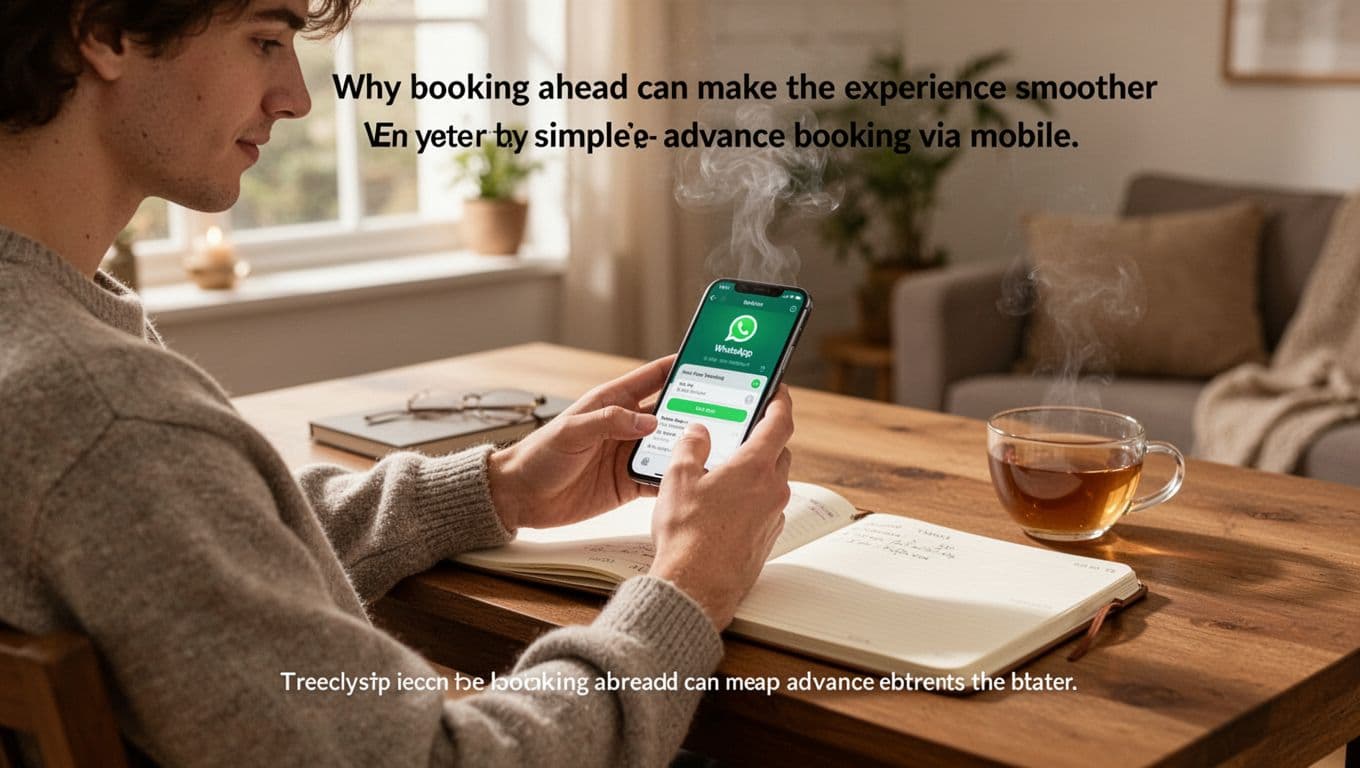
This is especially helpful if your visit has a purpose beyond “just because.” Maybe you want a quieter Sunday session, a treatment before an event, or a self-care break at a very specific hour. In those cases, advance booking turns the visit into something more dependable. You know your spot is set, and that peace of mind starts before you even leave home.
Black Berry Massage & SPA also makes this practical, since contact and WhatsApp booking fit how many people prefer to book today. A simple message can save time, clear up treatment questions, and help you confirm details before arrival. If you want to reach out directly, the contact page for appointments and inquiries is the natural place to start.
In short, planning ahead keeps the experience smoother from start to finish. You spend less time chasing availability and more time looking forward to the part that actually matters, walking in, switching off, and letting your body catch up with the rest your mind has been asking for.
Simple tips to get the most from your massage session
A great massage starts before you lie down on the table, and it keeps working after you leave. If you want better results from a Massage SPA in Kilimani, a few small habits can make the whole session feel smoother, more comfortable, and more useful.
The good news is that none of this is hard. You don’t need a perfect routine. You just need to help your body relax, speak up when needed, and give yourself a little care afterward.
What to do before your appointment
The hour before your massage matters more than most people think. If you arrive rushed, dehydrated, and overly full, your body has a harder time settling down. On the other hand, a calm start makes it easier to enjoy the session from the first few minutes.
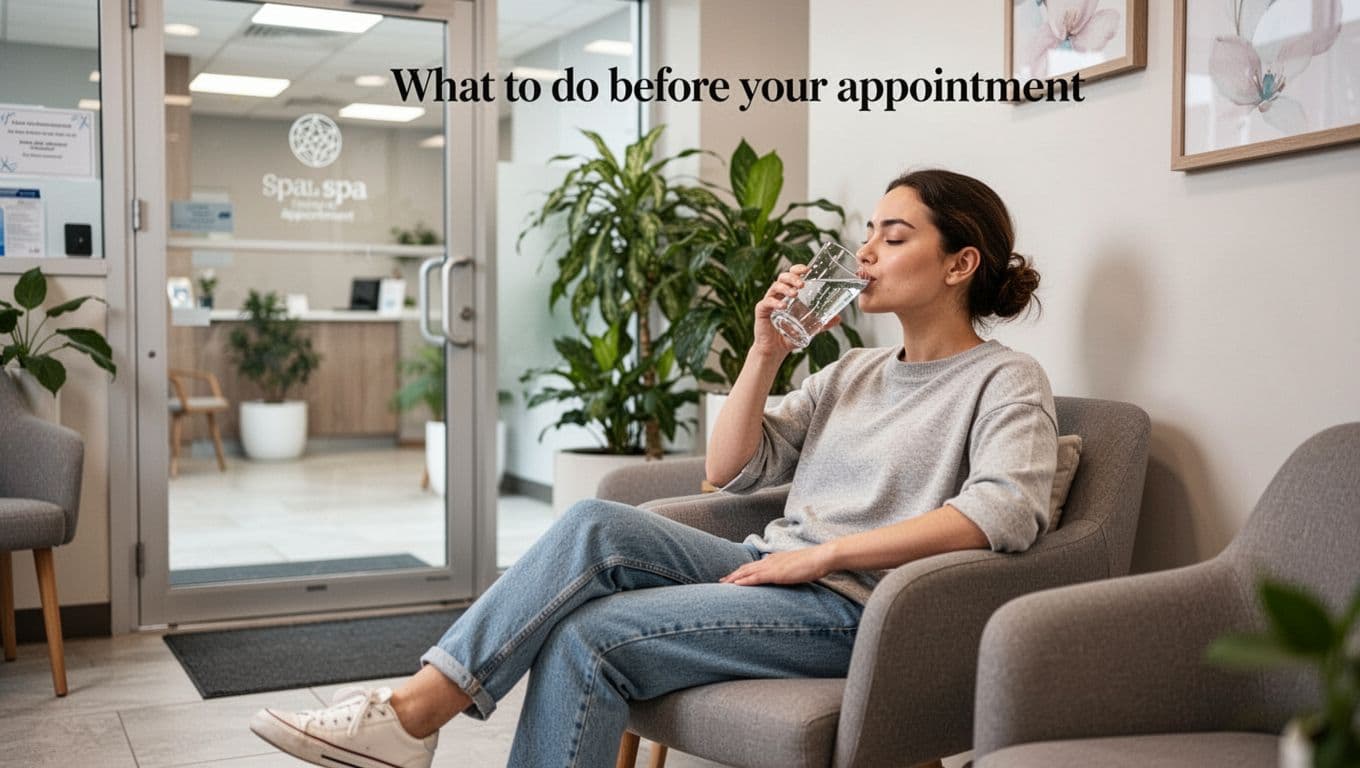
First, drink some water earlier in the day and again before you head out. You don’t need to force liters at once. Just stay reasonably hydrated, because muscles usually respond better when your body isn’t running dry.
Also, try to arrive a little early or at least on time. That short buffer helps you breathe, use the restroom, settle your mind, and avoid starting your massage with traffic stress still sitting in your shoulders.
Food matters too. It’s best to avoid a heavy meal right before your appointment. A very full stomach can make it uncomfortable to lie face down or turn during the session. If you’re hungry, keep it light and simple.
Before the massage begins, give your therapist a clear picture of what you need. This is not the time to be vague. Mention:
- Pain points, like a stiff neck, sore lower back, or tight shoulders
- Health concerns, such as recent injuries, pregnancy, or skin sensitivity
- Your goal, whether that’s deep relief, general relaxation, or help with one problem area
That short conversation is like handing over a map before a road trip. Without it, the therapist has to guess. With it, the session can match your body much better.
A few honest details before the massage can improve the whole hour.
How to speak up during the massage without feeling awkward
Many first-time clients stay quiet even when something feels off. They worry about interrupting, sounding picky, or ruining the mood. In reality, speaking up helps the therapist do a better job.
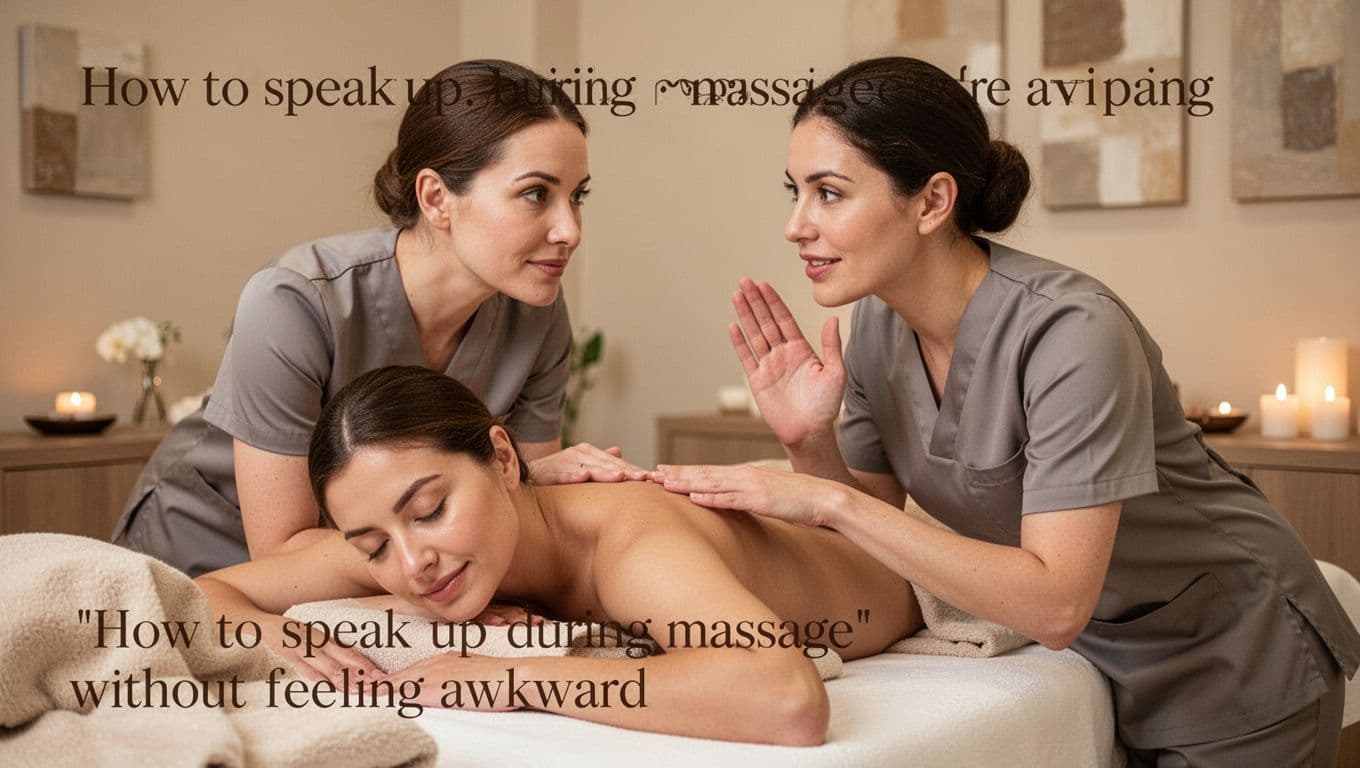
If the pressure feels too strong, say so early. Don’t wait until your body tightens up. A massage should feel useful, not like you’re bracing for impact. The same goes if the pressure is too light and you want more focused work.
You can keep it simple. Short comments are enough, such as:
- Could you go a little lighter on that side?
- A bit more pressure there feels better
- Can you spend more time on my shoulders?
- I’m feeling a little cold
That last one matters too. If you’re cold, your body may tense up without you noticing. A towel adjustment, room change, or blanket can make a big difference.
It’s also fine to ask for more attention on one area. Maybe your neck is the real issue, even though you booked a full-body session. Say that. Therapists expect feedback, and good ones want it. Think of it less like complaining and more like adjusting a seat before a long drive. Small changes can make the experience much better.
Breathing helps as well. If you feel unsure, take a slow breath and say what you need in one sentence. Clear and calm always works better than staying silent.
What to do after your session to extend the benefits
When your massage ends, don’t treat it like flipping off a light switch and jumping straight back into a packed schedule. Your body may feel loose, calm, or a little sleepy. That’s normal, and it’s worth working with that feeling instead of fighting it.

Start with water. A glass or two afterward is a simple habit that supports recovery and helps you feel fresher. Then, if possible, give yourself a bit of rest. You don’t need to spend the whole day in bed, but it helps to avoid rushing straight into intense exercise or a very stressful task.
Light movement can also help. Gentle stretching, especially for the neck, shoulders, or back, may help keep that loose feeling going. Keep it easy. This is not the time to push hard or test your flexibility.
If you had deeper work done, mild soreness can happen, especially the same day or the next day. That doesn’t always mean anything went wrong. It can be a normal response when tight muscles finally get focused attention. Usually, it feels manageable and fades with time, water, and light movement.
Keep your expectations realistic. One massage can help a lot, but it may not erase weeks or months of tension in a single visit. Still, many people feel better sleep, less stiffness, and a calmer body when they follow simple aftercare and book regularly at a Massage SPA in Kilimani.
In short, treat the hours after your session like the cool-down after a workout. That’s often where the good results settle in.
Conclusion
A good Massage SPA in Kilimani gives you more than a pleasant hour. It gives you a practical way to step out of Nairobi’s noise, ease body tension, and come back to your day feeling more settled. Because Kilimani is easy to reach, it makes regular rest feel realistic, not like a plan you keep postponing.
The best results also come from choosing the right treatment for your body. Sometimes that means a gentle Swedish massage to slow your mind down. Other times, it means deep tissue for tight shoulders, hot stone for heavy muscles, or Thai massage when stiffness is the bigger issue. In other words, a thoughtful spa visit works best when the treatment matches your real need, not just what sounds nice on the menu.
Just as important, the whole experience matters, from a calm setting and clean rooms to clear communication and enough privacy to fully switch off. That’s what turns a massage from a quick treat into real relief.
So if you’ve been feeling worn down, tense, or mentally full, it may be time to plan a session that fits what your body has been asking for. Rest, stress relief, and muscle recovery don’t need to wait for a special occasion. Sometimes the smartest reset is simply giving yourself permission to pause.